2 cases from Spain
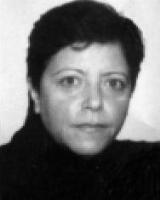
Convicted: Maria Licciardi
When Italian police raided what they believed was Maria Licciardi's hideout in June 2001, they expected a spartan fugitive's den. Instead, they found marble floors, a grand piano, and an outsize Jacuzzi — all tucked inside an attic bristling with surveillance cameras. The most powerful woman in the Neapolitan underworld had vanished again, as she always did, slipping back into the maze of streets where she had been born fifty years earlier. A fellow mafioso once told investigators that Maria Licciardi was more dangerous than Sicily's most-wanted fugitive, Matteo Messina Denaro. Italy's Interior Ministry called her the 'strategic head' of a criminal confederation controlling twenty rival Camorra clans. She brokered peace between warring gangsters, dispatched kill orders through a pentito who later testified that 'talking with Maria was the same as talking with Gennaro, the boss,' and in 1999 recalled an entire heroin shipment on quality-control grounds — a decision the Lo Russo clan defied, triggering at least eleven overdose deaths in a single month. She earned three nicknames: La Madrina, La Piccolina, and La Principessa. She earned each of them. This is the story of the woman who ran Naples.
Accused: Enriqueta Martí Ripollés
On the morning of February 10, 1912, Barcelona police broke down the door of a ground-floor apartment on Carrer de Ponent and found something that would haunt the city for generations. Behind a locked interior door sat roughly fifty jars and basins arranged with terrible precision: congealed human blood, rendered fat, hand skeletons, bone dust, and small glass vials of finished elixirs, each one labeled in elegant calligraphy. Cowering in the front room were two children, one of them a five-year-old girl named Teresita who had been missing from the streets of El Raval for only days. The apartment's tenant was a woman named Enriqueta Martí Ripollés. By day, neighbors knew her as a ragged beggar who shuffled through Barcelona's poorest quarters with a child at her side. By night, she was something else entirely: wigged, jeweled, and dressed in silk, moving through the parlors of the city's wealthiest families and selling them preparations she claimed could cure tuberculosis, reverse aging, and treat venereal disease. Preparations made, authorities alleged, from the bodies of the city's most vulnerable children. She became known across Spain as "The Vampire of Barcelona." She was never convicted. She never stood trial. And the full truth of what happened inside that locked room may have been buried, deliberately and permanently, by the very people she served.