Anna Sorokin

Case Summary
When Rachel DeLoache Williams returned from a luxury week at the Surf Club in Marrakech in the spring of 2017, she was $62,000 poorer. Her friend had promised the wire transfer was coming. It never came. The friend was Anna Sorokin, the 26-year-old daughter of a Russian truck driver who had spent four years convincing Manhattan's elite that she controlled a 60-million-euro European trust fund. Operating under the alias Anna Delvey, she defrauded banks, luxury hotels, and private individuals of approximately $275,000, forged financial documents, bounced checks, and nearly secured a $22 million bank loan using fabricated paperwork. When she was arrested, tried, and convicted in 2019, she hired a courtroom stylist and showed up in Saint Laurent and Victoria Beckham, making international headlines for her courtroom looks as much as her crimes. Netflix paid $320,000 for her story. The state took most of it under the Son of Sam law. She was released from prison, immediately detained by ICE, held for nineteen months, then released to house arrest in a 470-square-foot East Village apartment. She started selling art and made $340,000. She appeared on Dancing With the Stars wearing a bedazzled ankle monitor. Her deportation case remains unresolved. Anna Delvey, it turns out, is very hard to get rid of.
January 23, 1991, Domodedovo, Moscow Oblast, Russia (USSR)(Age: 35)
Related Cases
Convicted
Connection tags:

Convicted
Connection tags:

Convicted
Connection tags:

Convicted
Connection tags:
:max_bytes(150000):strip_icc():focal(749x0:751x2)/sherri-papinie-050125-6fed48fca2f5411e9f00a9c8037c330d.jpg)
Convicted
Connection tags:
Convicted
Connection tags:
Case Details
In the spring of 2017, Rachel DeLoache Williams came home from Morocco carrying something she hadn't expected: a $62,000 credit card bill. She was a photo editor at Vanity Fair, a careful woman with a professional life she'd worked hard to build, and somehow she had just put the cost of a luxury week at Marrakech's Surf Club on her personal credit card at the insistence of a friend who had promised, with absolute certainty, that the money was coming. Wire transfers were slow. European banks were complicated. It would all be sorted within days.
The friend's name was Anna Sorokin. And the money was never coming.
Anna Vadimovna Sorokin was born on January 23, 1991, in Domodedovo, a working-class satellite town roughly twenty miles south of Moscow. Her father, Vadim, drove trucks. Her mother ran a small convenience store. In 2007, when Anna was sixteen, the family emigrated to Germany, settling in North Rhine-Westphalia. She enrolled at the Bischöfliche Liebfrauenschule Eschweiler, a Catholic grammar school, where classmates remembered her as reserved and slow to master the German language. She was, by any observable measure, an ordinary teenager navigating an ordinary immigrant adolescence in a country that was not yet fully her own.
The ambition arrived quietly. As a young adult, Anna became absorbed in fashion: Vogue, image blogs, the aspirational ecosystems of LiveJournal and Flickr, the whole visual grammar of a world that had nothing to do with Domodedovo. She graduated in June 2011, enrolled briefly at Central Saint Martins in London, then dropped out and returned to Germany. A short stint interning at a Berlin PR firm followed before she drifted to Paris, where she earned roughly 400 euros a month as an intern at Purple, a French fashion magazine. The city suited her in ways Germany never had. The life of gallery openings, industry insiders, and European cool suited her even more.
It was in Paris that Anna Sorokin began trying on a different name.
By 2013, she had transferred to Purple's New York office and relocated to Manhattan, and the persona accelerated into something almost architectural. She introduced herself as Anna Delvey. She told people she was a German heiress, that her fortune, somewhere in the neighborhood of 60 million euros, was tied up in European accounts that made quick transfers complicated. She spoke with an accent that was difficult to place precisely. She dressed with conviction, tipped extravagantly on the occasions she paid at all, and moved through Manhattan's rooftop parties and gallery previews with the serene ease of someone for whom money had never been a source of anxiety.
She was twenty-two years old, the daughter of a truck driver, and she was extraordinarily good at this.
Between 2013 and 2017, Sorokin defrauded banks, luxury hotels, and private individuals of approximately $275,000. The mechanics required constant improvisation. She wrote checks she knew would bounce, submitted forged financial documents, and produced fake wire transfer confirmations to buy herself days or weeks with increasingly impatient hotel managers. She ran up bills at the W Hotel, the Beekman, the 11 Howard, and the Club Quarters Hotel, each time explaining that her bankers were working through the complications of a large European transfer. The apology was always gracious. The money was always delayed.
The crown jewel of her ambition was something she called the Anna Delvey Foundation: a private members' club and arts foundation she planned to establish in a grand Manhattan space. To realize it, she approached City National Bank in 2016 seeking a $22 million loan. She submitted fabricated financial documents purporting to show millions in European holdings. The bank's loan officers scrutinized the paperwork carefully enough that the deal ultimately collapsed, but the audacity was remarkable. She had walked into one of the country's major lending institutions, armed with forged documents and an unshakeable sense of entitlement, and she had kept the negotiation alive for months.
Morocco was where the construction started to crack.
Sorokin invited Williams to the Surf Club in Marrakech that spring with the assurance that all expenses would be covered. When the payments failed to process, she turned to Rachel with the calm certainty of someone accustomed to compliance. Could Rachel put the charges on her card? Temporarily. The transfer would come through immediately. Williams, trusting a woman she considered a close friend, put $62,000 on her credit card. No reimbursement arrived. Williams hired a lawyer. Then she went to the NYPD.
In October 2017, working from information Williams provided, detectives tracked Sorokin to a hotel in Los Angeles. A sting operation ended with her arrest. She was transferred to Rikers Island and held without bail. The 60-million-euro trust fund, which her father Vadim told New York Magazine he had "never heard of," was nowhere to be found, because it had never existed.
The story might have stayed a footnote in New York fraud annals, but in May 2018, journalist Jessica Pressler published a meticulous investigation in The Cut titled "How Anna Delvey Tricked New York's Party People." The piece laid out the full architecture of the scheme and made Sorokin a cultural phenomenon before her trial had even begun.
The trial opened on March 20, 2019, before Judge Diane Kiesel in Manhattan Supreme Court. What followed was one of the more surreal legal proceedings in recent New York memory. The defendant had hired a courtroom stylist. Each morning she arrived in a fresh designer ensemble: Michael Kors, Saint Laurent, Victoria Beckham. Fashion accounts on Instagram archived her daily looks with the diligence of a fashion week recap. While prosecutors laid out evidence of fraud, the internet debated her glasses. She had built her criminal enterprise by performing wealth; now she performed it in court, and the audience could not look away.
She had declined a plea deal offering three to nine years in December 2018. Her attorney, Todd Spodek, argued that she had genuinely intended to repay her debts, that the scheme was born of optimism rather than malice. The prosecution presented a different portrait, one of deliberate, sustained deception carried out across four years and targeting banks, hotels, and individuals who trusted her.
On April 25, 2019, the jury convicted her on eight of ten counts, including attempted grand larceny in the first degree, three counts of grand larceny in the second degree, and four counts of theft of services. She was acquitted on two counts, including the bank fraud charge connected to City National Bank. On May 9, Judge Kiesel sentenced her to four to twelve years in state prison, fined her $24,000, and ordered $199,000 in restitution, including $100,000 to City National Bank, $70,000 to Citibank, and additional sums to Blade air charter.
The punchline arrived with its own timing. Netflix had paid Sorokin $320,000 for the rights to her story in 2018, while she was still awaiting trial. New York's Son of Sam law, designed to prevent criminals from profiting from their notoriety, allowed the state attorney general to seize the majority of those funds. After restitution and fines were applied, she was left with approximately $22,000.
She was released from Albion Correctional Facility on parole on February 11, 2021, after roughly four years. Six weeks later, on March 25, U.S. Immigration and Customs Enforcement took her into custody. She had overstayed her visa. A German citizen who had entered on a tourist visa and never obtained legal status, she was now subject to deportation. She spent nineteen months in ICE detention at Orange County Correctional Facility in Goshen, New York, testing positive for COVID-19 in January 2022 and later joining an ACLU class-action lawsuit alleging ICE denied detainees COVID booster shots. A deportation order to Germany was issued in February 2022, though her attorneys argued she would face persecution if Germany subsequently sent her back to Russia, a country she hadn't inhabited since adolescence.
On October 7 and 8, 2022, an immigration judge released her on a $10,000 bail bond to house arrest at a 470-square-foot apartment in Manhattan's East Village. She wore an electronic ankle monitor. A social media ban was imposed. She was not permitted to travel beyond a set radius.
Confined to the apartment, Sorokin produced pencil drawings, many depicting herself in designer clothing, and sold them through Founders Art Club and The Locker Room gallery. By December 2022, she had sold more than $340,000 worth of work. The proceeds covered her rent, her bail, her legal fees. She had found a way to monetize Anna Delvey once more, this time without committing a felony.
Netflix's miniseries "Inventing Anna," created by Shonda Rhimes and starring Julia Garner, premiered in February 2022 to massive viewership while its subject sat in a detention facility in Goshen. In September 2024, Sorokin appeared as a cast member on Season 33 of ABC's "Dancing With the Stars," partnered with professional dancer Ezra Soza. ICE granted special permission for the Los Angeles travel. She wore a bedazzled ankle monitor on the ballroom floor. She was eliminated in the second episode and, asked what she would take from the experience, said she would take "nothing."
It was, in its way, the most honest answer Anna Delvey had ever given publicly.
Her immigration case remains unresolved as of 2025. She has appealed both her criminal conviction and the deportation order. She received a Social Security number in 2024, launched a PR agency called OutLaw, and appeared at New York Fashion Week in 2023, 2024, and February 2025. By March 2025, she had secured her own Manhattan apartment and appeared at the "UPRISE 2025: The Art of Resistance" event in Tribeca. Her father, who publicly disowned her after the story broke, told New York Magazine: "Until now, we have never heard of any trust fund."
What lingers about the Anna Sorokin story is not simply the audacity of the fraud, though the audacity was considerable. It is what the fraud illuminates about the systems she moved through. Luxury hotels extended credit because she carried herself like someone who didn't need it. Bankers reviewed fabricated documents and kept negotiating, because the social performance was compelling enough to make skepticism feel almost impolite. The people who opened doors to her did so because she understood, with nearly anthropological precision, what that world wanted to see: someone who belonged, who spent freely, who needed nothing from anyone.
She needed everything from everyone. She was just very good at not showing it. The rooms she walked into, and the people who held doors open for a woman they had never once thought to verify, say as much about New York as they do about Anna Delvey.
Timeline
Birth & Early Life in Russia
Anna Vadimovna Sorokin was born on January 23, 1991, in Domodedovo, a town near Moscow in the Soviet Union. Her father Vadim worked as a truck driver and her mother ran a small convenience store, placing the family firmly in the working class. Nothing in her modest upbringing foreshadowed the elaborate high-society fraud she would later orchestrate.
Establishes the stark contrast between her genuine origins and the fictitious wealthy German heiress identity she would later construct.
Family Emigrates to Germany; 'Anna Delvey' Persona Emerges
At age 16, Anna's family relocated from Russia to Germany, where she eventually became a naturalized German citizen. She briefly enrolled at Central Saint Martins art college in London in 2011 before moving to Paris, where she interned at the French fashion magazine Purple and began styling herself as 'Anna Delvey.' The alias — chosen to sound vaguely aristocratic — became the cornerstone of a fabricated identity as a wealthy heiress with a multi-million-euro trust fund.
The adoption of the 'Anna Delvey' persona and her immersion in elite fashion and art circles provided the social camouflage she would exploit for years of fraud.
Fraud Scheme Begins in New York City
In 2013, Sorokin relocated full-time to New York City, transferring to Purple magazine's New York office and embedding herself in the city's art, fashion, and finance elite. She began systematically defrauding banks, luxury hotels, and private individuals by presenting forged financial documents and fake wire transfer confirmations, claiming a $60 million inheritance. Over the next four years she extracted approximately $275,000 through this scheme, all while pitching her planned private members' club and arts foundation, the 'Anna Delvey Foundation.'
This marks the formal launch of a years-long, multi-victim fraud operation that would eventually make her one of the most notorious con artists in New York history.
City National Bank Loan Fraud Attempt
Sorokin approached City National Bank seeking a $22 million loan to fund the Anna Delvey Foundation, a planned luxury private members' club and arts space she claimed would occupy a prestigious Manhattan building. She submitted elaborately fabricated financial documents purporting to show tens of millions in overseas assets to support the application. The bank ultimately declined the loan after compliance checks raised red flags, but the audacious attempt illustrated the full scale of her ambitions and methods.
The City National Bank episode was the most brazen single act of her fraud scheme and later became a central count in her criminal prosecution, with the bank receiving $100,000 in court-ordered restitution.
Morocco Trip Fraud — Rachel DeLoache Williams
In 2017, Sorokin convinced her friend, Vanity Fair photo editor Rachel DeLoache Williams, to charge $62,000 on her personal credit card to cover a luxury trip to Morocco at the Villa Mandarine hotel, promising swift reimbursement that never materialized. When Williams pressed for repayment, Sorokin became evasive and dismissive, leaving Williams financially devastated and personally betrayed. Williams subsequently cooperated with the NYPD, becoming a key witness whose information directly led to Sorokin's arrest.
The Morocco fraud was the pivotal unraveling moment — it produced a motivated cooperating witness and gave investigators the concrete evidence needed to build a criminal case.
NYPD Sting Arrest in California
Acting on information provided by Rachel DeLoache Williams, NYPD detectives located Sorokin at a hotel in California and arrested her in a coordinated sting operation in October 2017. She was extradited to New York and transferred to Rikers Island, where she was held without bail pending trial. The arrest ended four years of escalating fraud across New York's most exclusive hotels, banks, and social circles.
The arrest brought one of New York's most brazen long-running fraud schemes to an abrupt end and set in motion a high-profile prosecution that would captivate the public.
Trial Begins — Designer Courtroom Looks Go Viral
Sorokin's trial opened on March 20, 2019, in Manhattan Supreme Court before Judge Diane Kiesel, after she rejected a 3–9 year plea deal on December 18, 2018. She hired a courtroom stylist and appeared each day in designer outfits from Michael Kors, Saint Laurent, and Victoria Beckham, turning the proceedings into a fashion spectacle that dominated social media and spawned a dedicated Instagram archive account. The sartorial strategy reinforced her brand as a glamorous fraudster even as prosecutors laid out the full extent of her deceptions.
The trial transformed a financial crime case into a cultural phenomenon, raising questions about celebrity, aspiration, and how appearance shapes public perception of guilt and innocence.
Jury Convicts on 8 of 10 Counts
On April 25, 2019, after deliberating for several days, the jury convicted Sorokin on eight of ten counts, including attempted grand larceny in the first degree, three counts of grand larceny in the second degree, and four counts of theft of services. She was acquitted on two counts, including the federal bank fraud charge related to City National Bank. The verdict confirmed the jury's finding that she had systematically deceived banks, hotels, and individuals over a four-year period.
The conviction on eight counts validated prosecutors' multi-year investigation and established Sorokin as legally culpable for one of New York's most elaborate long-con fraud schemes.
Sentencing: 4–12 Years, $199,000 Restitution
Judge Diane Kiesel sentenced Sorokin to 4 to 12 years in New York state prison, fined her $24,000, and ordered $199,000 in restitution — including $100,000 to City National Bank, $70,000 to Citibank, and additional amounts to Blade air charter. Separately, the New York Attorney General invoked the state's 'Son of Sam' law to seize the bulk of the $320,000 Netflix had paid for the rights to her story, leaving her approximately $22,000. She was remanded to Albion Correctional Facility to begin serving her sentence.
The sentence and the invocation of the Son of Sam law underscored the state's determination to ensure Sorokin could not profit from her crimes, even as her notoriety made her story a commercial property.
ICE Detention, 'Inventing Anna' Premiere & House Arrest
Sorokin was released from Albion Correctional Facility on parole on February 11, 2021, having served approximately four years; just six weeks later, ICE detained her for overstaying her visa and held her for 19 months at Orange County Correctional Facility. Netflix's dramatized miniseries 'Inventing Anna,' created by Shonda Rhimes and starring Julia Garner, premiered in February 2022 during her detention, reigniting global fascination with her story. On October 7–8, 2022, a U.S. immigration judge released her on a $10,000 bail bond to house arrest in a 470-square-foot East Village apartment with an ankle monitor, where she subsequently sold over $340,000 in pencil drawings and — in September 2024 — competed on Season 33 of ABC's 'Dancing With the Stars,' wearing a bedazzled ankle monitor before being eliminated in the second episode.
This sprawling post-conviction chapter cemented Sorokin's transformation from convicted fraudster to enduring cultural figure, while her unresolved deportation case kept her legal fate uncertain well into 2025.
Crime Location
Photos

AnnaDelvey-byPhilipRomano
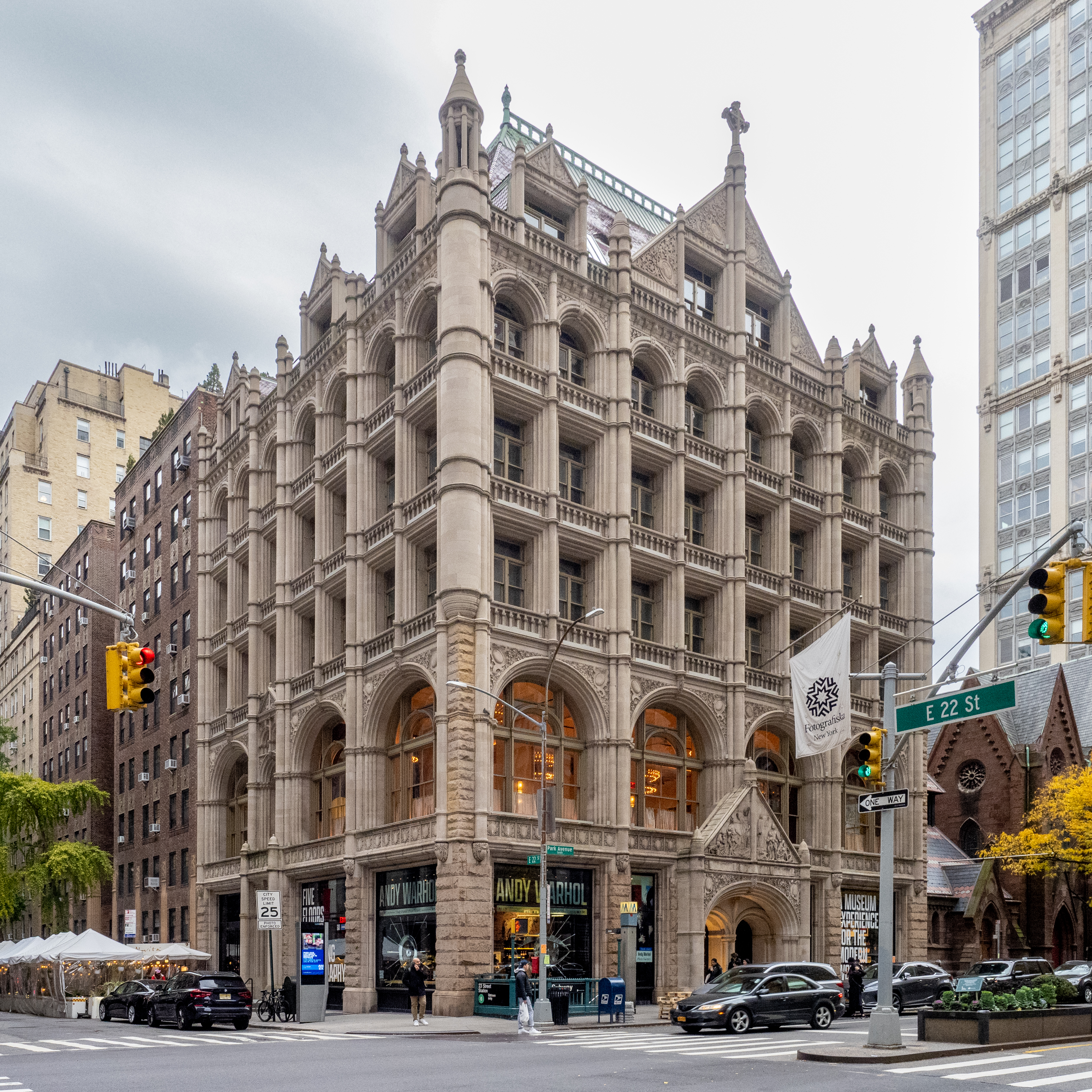
Fotografiska New York (51710073919)

La Mamounia entrance
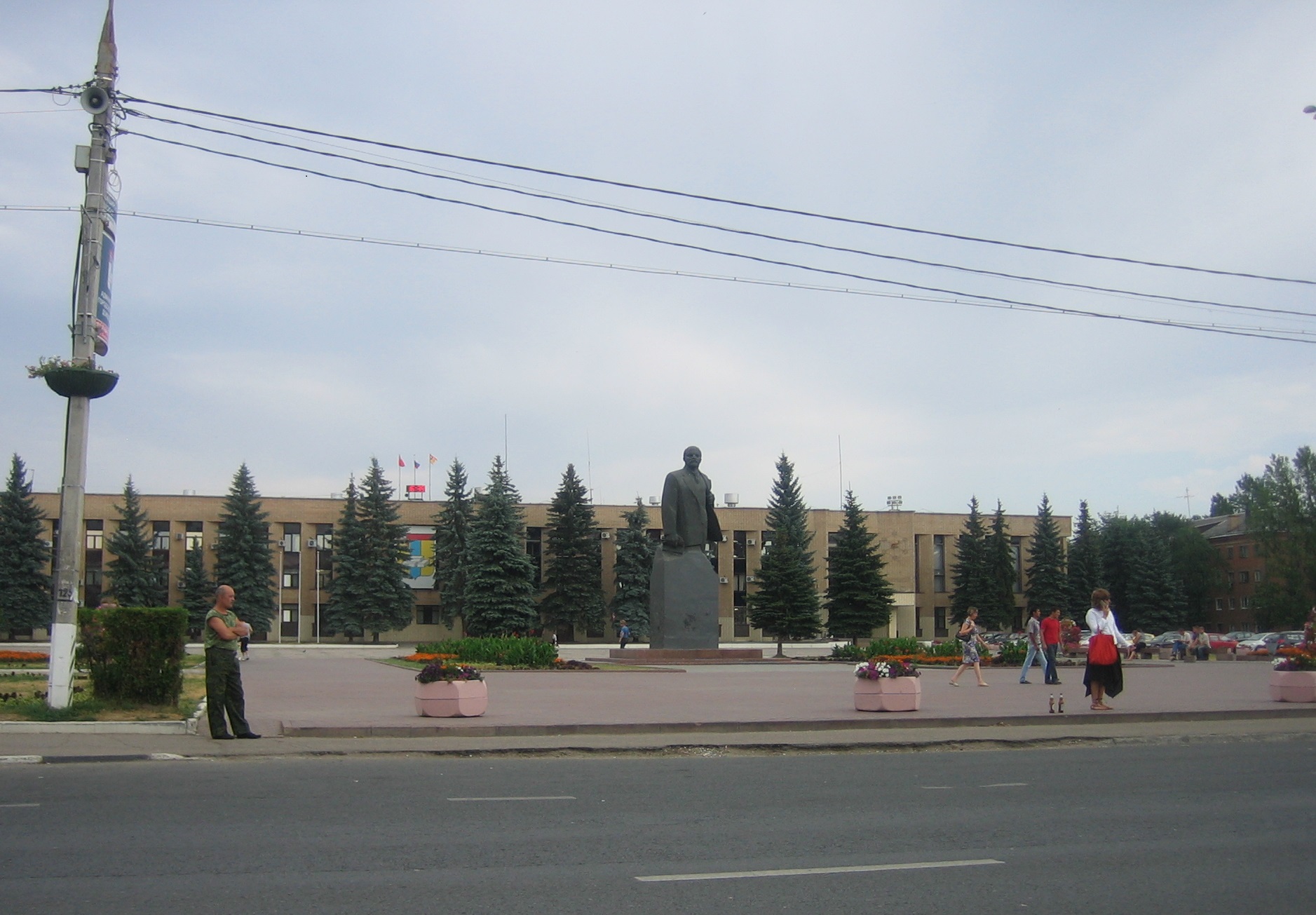
Lenin place

Rikers Island crop

The Mercer Hotel (52141167342)
Additional image of Anna Delvey
Sources
- How Anna Delvey Tricked New York's Party People
- Anna Delvey Wikipedia Entry
- My Friend Anna
- Anna Sorokin Convicted of Grand Larceny in 'Fake Heiress' Case
- Anna Sorokin Sentenced to 4 to 12 Years in Prison
- Anna Delvey Released from ICE Detention on Bail
- Anna Delvey on Dancing With the Stars Season 33
- Anna Delvey's Deportation Case and Immigration Proceedings
Frequently Asked Questions
Table of Contents
Case Summary
When Rachel DeLoache Williams returned from a luxury week at the Surf Club in Marrakech in the spring of 2017, she was $62,000 poorer. Her friend had promised the wire transfer was coming. It never came. The friend was Anna Sorokin, the 26-year-old daughter of a Russian truck driver who had spent four years convincing Manhattan's elite that she controlled a 60-million-euro European trust fund. Operating under the alias Anna Delvey, she defrauded banks, luxury hotels, and private individuals of approximately $275,000, forged financial documents, bounced checks, and nearly secured a $22 million bank loan using fabricated paperwork. When she was arrested, tried, and convicted in 2019, she hired a courtroom stylist and showed up in Saint Laurent and Victoria Beckham, making international headlines for her courtroom looks as much as her crimes. Netflix paid $320,000 for her story. The state took most of it under the Son of Sam law. She was released from prison, immediately detained by ICE, held for nineteen months, then released to house arrest in a 470-square-foot East Village apartment. She started selling art and made $340,000. She appeared on Dancing With the Stars wearing a bedazzled ankle monitor. Her deportation case remains unresolved. Anna Delvey, it turns out, is very hard to get rid of.
January 23, 1991, Domodedovo, Moscow Oblast, Russia (USSR)(Age: 35)
Case Details
In the spring of 2017, Rachel DeLoache Williams came home from Morocco carrying something she hadn't expected: a $62,000 credit card bill. She was a photo editor at Vanity Fair, a careful woman with a professional life she'd worked hard to build, and somehow she had just put the cost of a luxury week at Marrakech's Surf Club on her personal credit card at the insistence of a friend who had promised, with absolute certainty, that the money was coming. Wire transfers were slow. European banks were complicated. It would all be sorted within days.
The friend's name was Anna Sorokin. And the money was never coming.
Anna Vadimovna Sorokin was born on January 23, 1991, in Domodedovo, a working-class satellite town roughly twenty miles south of Moscow. Her father, Vadim, drove trucks. Her mother ran a small convenience store. In 2007, when Anna was sixteen, the family emigrated to Germany, settling in North Rhine-Westphalia. She enrolled at the Bischöfliche Liebfrauenschule Eschweiler, a Catholic grammar school, where classmates remembered her as reserved and slow to master the German language. She was, by any observable measure, an ordinary teenager navigating an ordinary immigrant adolescence in a country that was not yet fully her own.
The ambition arrived quietly. As a young adult, Anna became absorbed in fashion: Vogue, image blogs, the aspirational ecosystems of LiveJournal and Flickr, the whole visual grammar of a world that had nothing to do with Domodedovo. She graduated in June 2011, enrolled briefly at Central Saint Martins in London, then dropped out and returned to Germany. A short stint interning at a Berlin PR firm followed before she drifted to Paris, where she earned roughly 400 euros a month as an intern at Purple, a French fashion magazine. The city suited her in ways Germany never had. The life of gallery openings, industry insiders, and European cool suited her even more.
It was in Paris that Anna Sorokin began trying on a different name.
By 2013, she had transferred to Purple's New York office and relocated to Manhattan, and the persona accelerated into something almost architectural. She introduced herself as Anna Delvey. She told people she was a German heiress, that her fortune, somewhere in the neighborhood of 60 million euros, was tied up in European accounts that made quick transfers complicated. She spoke with an accent that was difficult to place precisely. She dressed with conviction, tipped extravagantly on the occasions she paid at all, and moved through Manhattan's rooftop parties and gallery previews with the serene ease of someone for whom money had never been a source of anxiety.
She was twenty-two years old, the daughter of a truck driver, and she was extraordinarily good at this.
Between 2013 and 2017, Sorokin defrauded banks, luxury hotels, and private individuals of approximately $275,000. The mechanics required constant improvisation. She wrote checks she knew would bounce, submitted forged financial documents, and produced fake wire transfer confirmations to buy herself days or weeks with increasingly impatient hotel managers. She ran up bills at the W Hotel, the Beekman, the 11 Howard, and the Club Quarters Hotel, each time explaining that her bankers were working through the complications of a large European transfer. The apology was always gracious. The money was always delayed.
The crown jewel of her ambition was something she called the Anna Delvey Foundation: a private members' club and arts foundation she planned to establish in a grand Manhattan space. To realize it, she approached City National Bank in 2016 seeking a $22 million loan. She submitted fabricated financial documents purporting to show millions in European holdings. The bank's loan officers scrutinized the paperwork carefully enough that the deal ultimately collapsed, but the audacity was remarkable. She had walked into one of the country's major lending institutions, armed with forged documents and an unshakeable sense of entitlement, and she had kept the negotiation alive for months.
Morocco was where the construction started to crack.
Sorokin invited Williams to the Surf Club in Marrakech that spring with the assurance that all expenses would be covered. When the payments failed to process, she turned to Rachel with the calm certainty of someone accustomed to compliance. Could Rachel put the charges on her card? Temporarily. The transfer would come through immediately. Williams, trusting a woman she considered a close friend, put $62,000 on her credit card. No reimbursement arrived. Williams hired a lawyer. Then she went to the NYPD.
In October 2017, working from information Williams provided, detectives tracked Sorokin to a hotel in Los Angeles. A sting operation ended with her arrest. She was transferred to Rikers Island and held without bail. The 60-million-euro trust fund, which her father Vadim told New York Magazine he had "never heard of," was nowhere to be found, because it had never existed.
The story might have stayed a footnote in New York fraud annals, but in May 2018, journalist Jessica Pressler published a meticulous investigation in The Cut titled "How Anna Delvey Tricked New York's Party People." The piece laid out the full architecture of the scheme and made Sorokin a cultural phenomenon before her trial had even begun.
The trial opened on March 20, 2019, before Judge Diane Kiesel in Manhattan Supreme Court. What followed was one of the more surreal legal proceedings in recent New York memory. The defendant had hired a courtroom stylist. Each morning she arrived in a fresh designer ensemble: Michael Kors, Saint Laurent, Victoria Beckham. Fashion accounts on Instagram archived her daily looks with the diligence of a fashion week recap. While prosecutors laid out evidence of fraud, the internet debated her glasses. She had built her criminal enterprise by performing wealth; now she performed it in court, and the audience could not look away.
She had declined a plea deal offering three to nine years in December 2018. Her attorney, Todd Spodek, argued that she had genuinely intended to repay her debts, that the scheme was born of optimism rather than malice. The prosecution presented a different portrait, one of deliberate, sustained deception carried out across four years and targeting banks, hotels, and individuals who trusted her.
On April 25, 2019, the jury convicted her on eight of ten counts, including attempted grand larceny in the first degree, three counts of grand larceny in the second degree, and four counts of theft of services. She was acquitted on two counts, including the bank fraud charge connected to City National Bank. On May 9, Judge Kiesel sentenced her to four to twelve years in state prison, fined her $24,000, and ordered $199,000 in restitution, including $100,000 to City National Bank, $70,000 to Citibank, and additional sums to Blade air charter.
The punchline arrived with its own timing. Netflix had paid Sorokin $320,000 for the rights to her story in 2018, while she was still awaiting trial. New York's Son of Sam law, designed to prevent criminals from profiting from their notoriety, allowed the state attorney general to seize the majority of those funds. After restitution and fines were applied, she was left with approximately $22,000.
She was released from Albion Correctional Facility on parole on February 11, 2021, after roughly four years. Six weeks later, on March 25, U.S. Immigration and Customs Enforcement took her into custody. She had overstayed her visa. A German citizen who had entered on a tourist visa and never obtained legal status, she was now subject to deportation. She spent nineteen months in ICE detention at Orange County Correctional Facility in Goshen, New York, testing positive for COVID-19 in January 2022 and later joining an ACLU class-action lawsuit alleging ICE denied detainees COVID booster shots. A deportation order to Germany was issued in February 2022, though her attorneys argued she would face persecution if Germany subsequently sent her back to Russia, a country she hadn't inhabited since adolescence.
On October 7 and 8, 2022, an immigration judge released her on a $10,000 bail bond to house arrest at a 470-square-foot apartment in Manhattan's East Village. She wore an electronic ankle monitor. A social media ban was imposed. She was not permitted to travel beyond a set radius.
Confined to the apartment, Sorokin produced pencil drawings, many depicting herself in designer clothing, and sold them through Founders Art Club and The Locker Room gallery. By December 2022, she had sold more than $340,000 worth of work. The proceeds covered her rent, her bail, her legal fees. She had found a way to monetize Anna Delvey once more, this time without committing a felony.
Netflix's miniseries "Inventing Anna," created by Shonda Rhimes and starring Julia Garner, premiered in February 2022 to massive viewership while its subject sat in a detention facility in Goshen. In September 2024, Sorokin appeared as a cast member on Season 33 of ABC's "Dancing With the Stars," partnered with professional dancer Ezra Soza. ICE granted special permission for the Los Angeles travel. She wore a bedazzled ankle monitor on the ballroom floor. She was eliminated in the second episode and, asked what she would take from the experience, said she would take "nothing."
It was, in its way, the most honest answer Anna Delvey had ever given publicly.
Her immigration case remains unresolved as of 2025. She has appealed both her criminal conviction and the deportation order. She received a Social Security number in 2024, launched a PR agency called OutLaw, and appeared at New York Fashion Week in 2023, 2024, and February 2025. By March 2025, she had secured her own Manhattan apartment and appeared at the "UPRISE 2025: The Art of Resistance" event in Tribeca. Her father, who publicly disowned her after the story broke, told New York Magazine: "Until now, we have never heard of any trust fund."
What lingers about the Anna Sorokin story is not simply the audacity of the fraud, though the audacity was considerable. It is what the fraud illuminates about the systems she moved through. Luxury hotels extended credit because she carried herself like someone who didn't need it. Bankers reviewed fabricated documents and kept negotiating, because the social performance was compelling enough to make skepticism feel almost impolite. The people who opened doors to her did so because she understood, with nearly anthropological precision, what that world wanted to see: someone who belonged, who spent freely, who needed nothing from anyone.
She needed everything from everyone. She was just very good at not showing it. The rooms she walked into, and the people who held doors open for a woman they had never once thought to verify, say as much about New York as they do about Anna Delvey.
Timeline
Birth & Early Life in Russia
Anna Vadimovna Sorokin was born on January 23, 1991, in Domodedovo, a town near Moscow in the Soviet Union. Her father Vadim worked as a truck driver and her mother ran a small convenience store, placing the family firmly in the working class. Nothing in her modest upbringing foreshadowed the elaborate high-society fraud she would later orchestrate.
Establishes the stark contrast between her genuine origins and the fictitious wealthy German heiress identity she would later construct.
Family Emigrates to Germany; 'Anna Delvey' Persona Emerges
At age 16, Anna's family relocated from Russia to Germany, where she eventually became a naturalized German citizen. She briefly enrolled at Central Saint Martins art college in London in 2011 before moving to Paris, where she interned at the French fashion magazine Purple and began styling herself as 'Anna Delvey.' The alias — chosen to sound vaguely aristocratic — became the cornerstone of a fabricated identity as a wealthy heiress with a multi-million-euro trust fund.
The adoption of the 'Anna Delvey' persona and her immersion in elite fashion and art circles provided the social camouflage she would exploit for years of fraud.
Fraud Scheme Begins in New York City
In 2013, Sorokin relocated full-time to New York City, transferring to Purple magazine's New York office and embedding herself in the city's art, fashion, and finance elite. She began systematically defrauding banks, luxury hotels, and private individuals by presenting forged financial documents and fake wire transfer confirmations, claiming a $60 million inheritance. Over the next four years she extracted approximately $275,000 through this scheme, all while pitching her planned private members' club and arts foundation, the 'Anna Delvey Foundation.'
This marks the formal launch of a years-long, multi-victim fraud operation that would eventually make her one of the most notorious con artists in New York history.
City National Bank Loan Fraud Attempt
Sorokin approached City National Bank seeking a $22 million loan to fund the Anna Delvey Foundation, a planned luxury private members' club and arts space she claimed would occupy a prestigious Manhattan building. She submitted elaborately fabricated financial documents purporting to show tens of millions in overseas assets to support the application. The bank ultimately declined the loan after compliance checks raised red flags, but the audacious attempt illustrated the full scale of her ambitions and methods.
The City National Bank episode was the most brazen single act of her fraud scheme and later became a central count in her criminal prosecution, with the bank receiving $100,000 in court-ordered restitution.
Morocco Trip Fraud — Rachel DeLoache Williams
In 2017, Sorokin convinced her friend, Vanity Fair photo editor Rachel DeLoache Williams, to charge $62,000 on her personal credit card to cover a luxury trip to Morocco at the Villa Mandarine hotel, promising swift reimbursement that never materialized. When Williams pressed for repayment, Sorokin became evasive and dismissive, leaving Williams financially devastated and personally betrayed. Williams subsequently cooperated with the NYPD, becoming a key witness whose information directly led to Sorokin's arrest.
The Morocco fraud was the pivotal unraveling moment — it produced a motivated cooperating witness and gave investigators the concrete evidence needed to build a criminal case.
NYPD Sting Arrest in California
Acting on information provided by Rachel DeLoache Williams, NYPD detectives located Sorokin at a hotel in California and arrested her in a coordinated sting operation in October 2017. She was extradited to New York and transferred to Rikers Island, where she was held without bail pending trial. The arrest ended four years of escalating fraud across New York's most exclusive hotels, banks, and social circles.
The arrest brought one of New York's most brazen long-running fraud schemes to an abrupt end and set in motion a high-profile prosecution that would captivate the public.
Trial Begins — Designer Courtroom Looks Go Viral
Sorokin's trial opened on March 20, 2019, in Manhattan Supreme Court before Judge Diane Kiesel, after she rejected a 3–9 year plea deal on December 18, 2018. She hired a courtroom stylist and appeared each day in designer outfits from Michael Kors, Saint Laurent, and Victoria Beckham, turning the proceedings into a fashion spectacle that dominated social media and spawned a dedicated Instagram archive account. The sartorial strategy reinforced her brand as a glamorous fraudster even as prosecutors laid out the full extent of her deceptions.
The trial transformed a financial crime case into a cultural phenomenon, raising questions about celebrity, aspiration, and how appearance shapes public perception of guilt and innocence.
Jury Convicts on 8 of 10 Counts
On April 25, 2019, after deliberating for several days, the jury convicted Sorokin on eight of ten counts, including attempted grand larceny in the first degree, three counts of grand larceny in the second degree, and four counts of theft of services. She was acquitted on two counts, including the federal bank fraud charge related to City National Bank. The verdict confirmed the jury's finding that she had systematically deceived banks, hotels, and individuals over a four-year period.
The conviction on eight counts validated prosecutors' multi-year investigation and established Sorokin as legally culpable for one of New York's most elaborate long-con fraud schemes.
Sentencing: 4–12 Years, $199,000 Restitution
Judge Diane Kiesel sentenced Sorokin to 4 to 12 years in New York state prison, fined her $24,000, and ordered $199,000 in restitution — including $100,000 to City National Bank, $70,000 to Citibank, and additional amounts to Blade air charter. Separately, the New York Attorney General invoked the state's 'Son of Sam' law to seize the bulk of the $320,000 Netflix had paid for the rights to her story, leaving her approximately $22,000. She was remanded to Albion Correctional Facility to begin serving her sentence.
The sentence and the invocation of the Son of Sam law underscored the state's determination to ensure Sorokin could not profit from her crimes, even as her notoriety made her story a commercial property.
ICE Detention, 'Inventing Anna' Premiere & House Arrest
Sorokin was released from Albion Correctional Facility on parole on February 11, 2021, having served approximately four years; just six weeks later, ICE detained her for overstaying her visa and held her for 19 months at Orange County Correctional Facility. Netflix's dramatized miniseries 'Inventing Anna,' created by Shonda Rhimes and starring Julia Garner, premiered in February 2022 during her detention, reigniting global fascination with her story. On October 7–8, 2022, a U.S. immigration judge released her on a $10,000 bail bond to house arrest in a 470-square-foot East Village apartment with an ankle monitor, where she subsequently sold over $340,000 in pencil drawings and — in September 2024 — competed on Season 33 of ABC's 'Dancing With the Stars,' wearing a bedazzled ankle monitor before being eliminated in the second episode.
This sprawling post-conviction chapter cemented Sorokin's transformation from convicted fraudster to enduring cultural figure, while her unresolved deportation case kept her legal fate uncertain well into 2025.
Crime Location
Photos
AnnaDelvey-byPhilipRomano
Fotografiska New York (51710073919)
La Mamounia entrance
Lenin place
Rikers Island crop
The Mercer Hotel (52141167342)
Additional image of Anna Delvey
Sources
- How Anna Delvey Tricked New York's Party People
- Anna Delvey Wikipedia Entry
- My Friend Anna
- Anna Sorokin Convicted of Grand Larceny in 'Fake Heiress' Case
- Anna Sorokin Sentenced to 4 to 12 Years in Prison
- Anna Delvey Released from ICE Detention on Bail
- Anna Delvey on Dancing With the Stars Season 33
- Anna Delvey's Deportation Case and Immigration Proceedings
Frequently Asked Questions
Related Cases
Convicted
Connection tags:
Convicted
Connection tags:
Convicted
Connection tags:
Convicted
Connection tags:
Convicted
Connection tags:
Convicted
Connection tags:
Tags
Popular Culture
TV (2022)
Netflix limited series created by Shonda Rhimes starring Julia Garner as Anna Sorokin/Delvey, dramatizing her fraudulent scheme and trial. Premiered February 11, 2022, and generated massive renewed public interest.
book (2019)
Memoir by Rachel DeLoache Williams recounting her friendship with Sorokin and how she was defrauded of $62,000 during a luxury Morocco trip.
book (2018)
Landmark investigative article by Jessica Pressler published in New York Magazine/The Cut that first exposed Sorokin's con to a mass audience and served as the basis for the Netflix series.
TV (2024)
Sorokin appeared as a controversial celebrity contestant partnered with pro dancer Ezra Soza, wearing a bedazzled ankle monitor. She was eliminated in the second episode.
podcast (2022)
Various true crime podcast episodes and series covering Sorokin's fraud, trial, immigration detention, and post-release life.
documentary (2022)
Media coverage of Sorokin's house-arrest art career, selling over $340,000 in pencil drawings through Founders Art Club and The Locker Room gallery, widely covered as a cultural phenomenon.