Griselda Blanco Restrepo
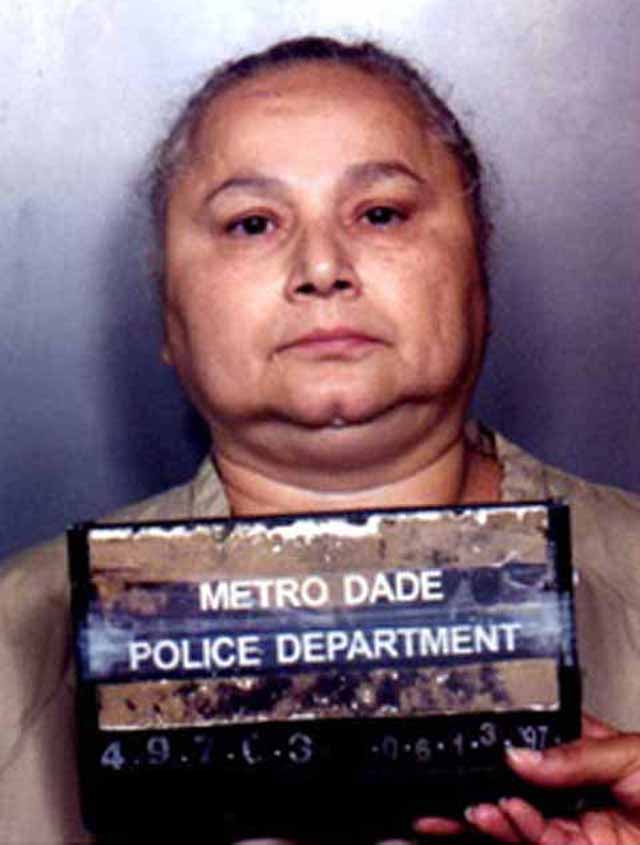
Case Summary
On the afternoon of September 3, 2012, a gunman dismounted from a motorcycle outside a butcher shop in Medellín, Colombia, and shot a 69-year-old woman twice in the head. He was gone before anyone could stop him. The woman was Griselda Blanco Restrepo, and the method of her killing was one she had invented herself.
In the 1970s and 1980s, Blanco built a cocaine empire that shipped 1,500 kilograms of product into Miami every month, generated an estimated $80 million monthly, and left dozens if not hundreds of people dead on both sides of the Atlantic. She mentored Pablo Escobar. She pioneered motorcycle assassinations. She named her youngest son Michael Corleone, after the Godfather character, because she saw the parallel and felt no shame in it.
She was convicted of federal drug trafficking in 1985. She beat a capital murder case when her star witness was caught having phone sex with prosecutors' secretaries. She served nearly two decades in prison, suffered a heart attack, was deported to Colombia, and allegedly became a born-again Christian.
None of it was enough to save her.
The killers who found her outside the Carnicería Cardiso that September afternoon were never identified. She was buried at Jardines de Montesacro cemetery in Medellín, in the same ground as Pablo Escobar. The Godmother of Cocaine, who had ordered the deaths of husbands, rivals, and at least one two-year-old child, ended her life on the same streets where she had built her legend: in Medellín, violently, by surprise.
This is her story.
February 15, 1943, Cartagena (or possibly Santa Marta), Colombia — birthplace disputed; most sources cite Cartagena; Britannica notes Santa Marta as possible baptism location; moved to Medellín at age 3(Age: 69)
September 3, 2012, Medellín, Colombia — outside Carnicería Cardiso butcher shop, Belén neighborhood, corner of 29th Street (Assassination — shot twice in the head at close range by a gunman who dismounted from a motorcycle)
Related Cases

Convicted
Connection tags:
Convicted
Connection tags:

Convicted
Connection tags:

Accused
Connection tags:
Convicted
Connection tags:

Convicted
Connection tags:
Case Details
It was a Tuesday afternoon in Medellín, the kind of unhurried September day when old women browse for beef and neighbors exchange pleasantries on sun-warmed sidewalks. At approximately 3:00 PM on September 3, 2012, a 69-year-old woman stepped out of the Carnicería Cardiso butcher shop in the Belén neighborhood, on the corner of 29th Street. Her pregnant daughter-in-law walked at her side. Neither woman noticed the motorcycle pulling up behind them.
The gunman dismounted quickly, raised his weapon, and fired twice. Both bullets struck the woman in the head. She was dead before she hit the pavement.
Neighbors who gathered around the fallen figure may not have recognized her. She looked, by all accounts, like an ordinary grandmother, stout and unremarkable in the bright Colombian afternoon. But she was Griselda Blanco Restrepo, La Madrina, the Godmother of Cocaine, the architect of Miami's bloodiest era, a woman suspected of ordering somewhere between 40 and 250 murders across her lifetime. She died the way her enemies had died for decades: shot at close range from a motorcycle, by a killer who vanished and was never caught.
It was the method she had invented.
Griselda Blanco was born on February 15, 1943, in Cartagena, Colombia, though some records suggest her baptism may have occurred in Santa Marta. When she was three years old, her mother, Ana Lucía Restrepo, moved the family to Medellín, a city of steep green hillsides and grinding poverty where criminality was not merely temptation but often the only visible path forward.
Her childhood was brutal in the particular way that shapes either monsters or saints, and it shaped her into neither. It shaped her into something more functional and more dangerous: a survivor with no illusions. She was picking pockets before adolescence, fleeing home in her mid-teens to escape sexual abuse by her mother's boyfriend, surviving through theft and prostitution on the streets of a city that offered few alternatives to girls without money or protection. According to accounts shared years later by her former lover Charles Cosby, she allegedly kidnapped a child from a wealthy Medellín neighborhood at age 11 and, when the family failed to pay the ransom, shot and killed the boy herself. The story cannot be verified with certainty at this remove, but it fits the contours of a girl who had already learned that other people's suffering was a tool she could use.
She married her first husband, Carlos Trujillo, while still a teenager. Trujillo was a street hustler who specialized in forged immigration documents, and together they had three sons: Dixon, Uber, and Osvaldo. The marriage was useful until it wasn't. When it became a liability, Blanco had Trujillo killed.
By 1964, she had moved on to a second husband, a cocaine smuggler named Alberto Bravo who was connected to the emerging networks that would eventually consolidate into the Medellín Cartel. With forged papers, she crossed illegally into the United States, settled in Queens, New York, and began building a drug distribution operation with Bravo that funneled cocaine and marijuana into New York City. She had a gift for logistics, for managing people through a precise combination of reward and terror, and for identifying the pressure points in any system.
U.S. authorities were paying attention. In October 1974, the DEA placed Blanco on its most-wanted list and launched Operation Banshee, one of the agency's first major targeted narcotics operations, with her network as its central objective. On April 30, 1975, a federal grand jury in the Southern District of New York returned an indictment charging Blanco and 37 co-defendants with conspiracy to manufacture, import, and distribute cocaine. The government moved to arrest her. She was already gone, slipped back to Colombia before the warrant was even formally issued in May.
That same year, she shot and killed Alberto Bravo. They had quarreled over money he had stolen from the operation. The dispute ended with Bravo dead and Blanco moving on, as she always did.
She returned to the United States in the late 1970s, this time to Miami, and what she constructed there was staggering in its scale and its savagery. At the peak of her operation, her network was importing approximately 1,500 kilograms of cocaine monthly into the United States, generating an estimated $80 million per month. She pioneered smuggling methods that became industry standards: cocaine hidden in specially designed lingerie, packed into the hollow heels of shoes, concealed inside dog crates, secreted in the false bottoms of suitcases. The supply chain she built was elegant and ruthless in equal measure.
Miami in those years was a city coming apart. The homicide rate exploded. Dade County became a synonym for carnage. And Griselda Blanco was at the center of it all. Her enforcers, known as Pistoleros, carried out assassinations with motorcycle-mounted precision: a gunman riding up alongside a target, firing at close range, and disappearing into traffic before witnesses could process what they had seen. She had not adopted this technique from someone else. She had developed it, and it would become the signature killing method of the Medellín Cartel, exported to Colombia and replicated across decades of drug-war violence in ways that continue to echo today.
The violence crested in public on an afternoon in 1979 at Dadeland Mall in Miami. In broad daylight, inside a liquor store, Blanco's hitmen gunned down rival cocaine dealer German Jimenez Panesso and his bodyguard. They used automatic weapons and fled in a specially outfitted van. The massacre horrified the city and put a name on what law enforcement was already beginning to call the Cocaine Cowboy Wars. Miami's image as a sun-bleached paradise was permanently rewritten in those years, and Griselda Blanco had written much of the new version.
Her third husband was Darío Sepúlveda. In 1978, she gave birth to their son, whom she named Michael Corleone Blanco, after the protagonist of The Godfather. The choice of name was not accidental. She saw the parallel clearly. When the marriage dissolved and a custody dispute over young Michael turned ugly, Sepúlveda took the boy and fled to Colombia in 1983. Blanco ordered his assassination. Darío Sepúlveda was killed.
DEA Special Agent Robert Palombo was still building his case. In May 1984, he spotted Blanco in Newport Beach, California, but held off on the arrest to protect an ongoing investigation and a confidential informant. He waited. On February 17, 1985, federal agents arrested Griselda Blanco at her home in Irvine, California. She gave a false name and was carrying forged identification. It was, in its way, a tribute to her origins: she had come into the country on fake papers twenty years earlier, and fake papers were still her first instinct when cornered.
Her federal trial in New York ran from June 25 to July 9, 1985. The jury convicted her of conspiracy to manufacture, import, and distribute cocaine. On November 8, 1985, she was sentenced to 15 years in federal prison and fined $25,000. The fine was almost comic against the scale of her fortune.
But Florida was not finished with her. In 1994 and 1995, state prosecutors charged her with three counts of first-degree murder for the 1982 killings of two-year-old Johnny Castro and drug dealers Alfredo and Grizel Lorenzo. The case rested heavily on Jorge Ayala, known as Rivi, a hitman who had personally carried out murders on her orders and agreed to testify. Ayala was detailed, credible, and devastating as a witness. He was also, it emerged, making sexually explicit telephone calls to secretaries at the Miami-Dade State Attorney's Office while awaiting trial. The revelation destroyed his credibility, and with it, the capital murder case against Blanco.
Florida regrouped. In 1998, Blanco pleaded guilty to three counts of second-degree murder and received three concurrent 20-year prison sentences. She served approximately 19 years in total across her federal and state convictions.
In 2002, she suffered a heart attack in prison. By 2004, citing her deteriorating health, authorities granted her compassionate release and deported her to Colombia. She returned to Medellín and, by all accounts, lived quietly. Her son Michael later said she had become a born-again Christian in her final years. Whether the faith was genuine or the last shelter of someone with an enormous reckoning to avoid, no one alive can say.
Three of her four sons did not live to see her deportation. Dixon, Uber, and Osvaldo Trujillo all died during the 1990s from gang violence or in prison, casualties of the life their mother had made visible and glamorous and ordinary. Only Michael Corleone Blanco survived. In 2012, the year his mother died, he was convicted of cocaine trafficking. He later appeared on VH1's Cartel Crew and the Investigation Discovery series Evil Lives Here, carrying the name and the legend forward into a new medium.
And so it ended on that September afternoon in Belén, outside a butcher shop on 29th Street. The assassin, like the Pistoleros Blanco had deployed across two decades, arrived on a motorcycle and left the same way. The pregnant daughter-in-law standing beside her was unharmed. The killers were never publicly identified.
She was buried at Jardines de Montesacro cemetery in Medellín, the same grounds where Pablo Escobar had been interred nearly two decades before. That proximity deserves a moment's consideration. Historians and investigators have long credited Blanco with mentoring a young Escobar and working alongside the Ochoa Vásquez brothers, co-founders of the Medellín Cartel. Before Escobar became the most infamous drug lord in history, Griselda Blanco was the template: the innovator, the ruthless strategist, the proof that cocaine could be moved across borders in industrial quantities and that rivals could be eliminated at will and with impunity. She wrote the playbook that others followed into infamy.
The cultural reckoning has been substantial. The 2006 documentary Cocaine Cowboys and its 2008 follow-up placed her at the center of Miami's drug war with vivid, sometimes shattering clarity. The 2018 Lifetime film Cocaine Godmother starred Catherine Zeta-Jones in the title role. Then came the 2024 Netflix miniseries Griselda, with Sofía Vergara in an Emmy-nominated performance that introduced the Godmother of Cocaine to a global streaming audience who had no memory of the Dadeland Mall or Operation Banshee or the blood on the streets of 1980s Miami.
The fascination is understandable, even if it is not entirely comfortable. Blanco operated in a world where women were assumed to be peripheral figures, wives and girlfriends and decorative presences in the lives of powerful men. She was peripheral to no one. She built the empire herself, with the same appetite for violence and the same indifference to human cost as any of her male counterparts. She was not ruthless for a woman. She was ruthless, without qualification or caveat.
The body count attributed to her ranges from 40 murders in conservative U.S. estimates to 250 in Colombian official figures. Somewhere in that range are the real dead: drug dealers, rivals, husbands, a toddler caught in the wrong place at the wrong time, and perhaps a child kidnapped from a wealthy neighborhood when the woman who ordered his death was only eleven years old and already knew exactly what she was capable of.
She outlived most of them. She outlived most of her enemies and most of her allies. She outlived Pablo Escobar and three of her own sons. She lived long enough to become a Netflix series, a Catherine Zeta-Jones vehicle, a true crime icon consumed by people who would never have survived an afternoon in her Miami.
Then a motorcycle pulled up outside a butcher shop, and Griselda Blanco's story ended the way she had written so many others.
Timeline
Birth and Early Life in Colombia
Griselda Blanco Restrepo was born on February 15, 1943, in Cartagena (or possibly Santa Marta), Colombia, to Ana Lucía Restrepo. At age 3 she moved with her mother to Medellín, where she was immersed in poverty and street crime from an early age, becoming a pickpocket as a preteen and fleeing home in her mid-teens to escape sexual abuse by her mother's boyfriend.
Her impoverished and violent upbringing in Medellín's slums directly shaped the ruthless criminal persona she would develop, providing the environment that funneled her toward a life of organized crime.
First Marriage and Entry into Trafficking
After marrying her first husband Carlos Trujillo — a street hustler specializing in forged immigration documents — and bearing three sons (Dixon, Uber, and Osvaldo), Blanco divorced him and illegally entered the United States using fake documentation around 1964. She settled in Queens, New York, with her children and her second husband Alberto Bravo, a cocaine smuggler, with whom she built a major cocaine and marijuana trafficking network.
This move established Blanco's foothold in the American drug market and marked the beginning of her rise as a major narcotics trafficker, laying the foundation for what would become a multimillion-dollar empire.
Operation Banshee and Federal Indictment
On April 30, 1975, a federal grand jury in the U.S. District Court for the Southern District of New York returned an indictment charging Blanco and 37 co-conspirators with conspiracy to manufacture, import, and distribute cocaine. U.S. authorities, running one of the DEA's first major drug operations — 'Operation Banshee' — had placed her on their most-wanted list in October 1974. Blanco fled to Colombia before she could be arrested, and a warrant was issued in May 1975.
The indictment and Operation Banshee represented the first major U.S. law enforcement effort specifically targeting Blanco, forcing her underground and into Colombia while cementing her status as one of the most wanted drug traffickers in America.
Killing of Alberto Bravo and Return to Power
In 1975, Blanco shot and killed her second husband Alberto Bravo during a confrontation over money she believed he had stolen from their trafficking operation. She subsequently returned to Miami in the late 1970s and rebuilt her cocaine empire, shipping approximately 1,500 kilograms of cocaine monthly and generating an estimated $80 million per month at its peak.
The killing of Bravo demonstrated Blanco's willingness to eliminate even intimate partners who crossed her, and her return to Miami ushered in the most violent and lucrative chapter of her criminal career.
Dadeland Mall Shootout — The Cocaine Cowboy Wars Begin
In July 1979, Blanco's hitmen — her so-called 'Pistoleros' — gunned down rival cocaine dealer German Jimenez Panesso and his bodyguard in broad daylight inside a liquor store at the Dadeland Mall in Miami, Florida. The brazen public attack, carried out at close range with automatic weapons, shocked the nation and became the defining moment of the era known as the 'Cocaine Cowboy Wars.' Blanco is also credited with pioneering the use of motorcycle assassinations, a method subsequently adopted as a hallmark of the Medellín Cartel.
The Dadeland Mall massacre brought unprecedented public attention to the Miami drug war, prompted a massive federal law enforcement response, and cemented Blanco's reputation as the most feared and violent drug lord in South Florida.
Arrest in Irvine, California
After DEA Special Agent Robert Palombo spotted Blanco in Newport Beach, California in May 1984 but delayed arrest to protect an ongoing investigation, federal agents finally arrested her at her home in Irvine, California on February 17, 1985. She gave a false name and was found carrying forged identification. She was taken into federal custody to face the decade-old 1975 conspiracy indictment.
Blanco's arrest after more than a decade as a fugitive was a landmark moment for the DEA and marked the beginning of the end of her reign as the 'Godmother of Cocaine.'
Federal Trial, Conviction, and Sentencing
Following a jury trial in federal court in New York that ran from June 25 to July 9, 1985, Blanco was convicted of conspiracy to manufacture, import, and distribute cocaine. On November 8, 1985, she was sentenced to 15 years in federal prison and fined $25,000.
The federal conviction and 15-year sentence represented the first major legal reckoning for Blanco, though her story was far from over — she would face additional murder charges while still incarcerated.
Florida Murder Charges and Guilty Plea
While serving her federal sentence, Florida prosecutors charged Blanco in 1994–1995 with three counts of first-degree murder for the 1982 killings of 2-year-old Johnny Castro and drug dealers Alfredo and Grizel Lorenzo. The capital case collapsed when key witness and hitman Jorge 'Rivi' Ayala was discredited after being caught making sexually explicit phone calls to secretaries in the Miami-Dade State Attorney's Office. In 1998, Blanco pleaded guilty to three counts of second-degree murder and was sentenced to three concurrent 20-year prison terms.
The murder plea and sentencing underscored the staggering body count attributed to Blanco and ensured she would remain imprisoned well into old age, while the scandal surrounding Ayala's conduct became one of the most embarrassing episodes in Florida prosecutorial history.
Compassionate Release and Deportation to Colombia
After suffering a heart attack in prison in 2002 and serving approximately 19 years across her federal and state sentences, Blanco was granted compassionate release in 2004 citing her deteriorating health. She was deported to Colombia and returned to Medellín, where she reportedly lived quietly; her son Michael Corleone Blanco later stated she had become a born-again Christian.
Blanco's release and return to Colombia closed her American legal chapter and raised questions about whether justice had been fully served for a woman suspected of ordering between 40 and 250 murders.
Assassination Outside Medellín Butcher Shop
On September 3, 2012, at approximately 3:00 PM, Griselda Blanco was shot twice in the head at close range by an assassin who dismounted from a motorcycle outside the Carnicería Cardiso butcher shop in Medellín's Belén neighborhood, at the corner of 29th Street. She was 69 years old; her pregnant daughter-in-law, who was present, was unharmed. The killers were never publicly identified, and Blanco was buried at Jardines de Montesacro cemetery in Medellín — the same cemetery where Pablo Escobar is interred.
In a grim irony, the woman who pioneered motorcycle assassinations was herself killed by that very method, bringing a violent end to one of the most notorious criminal careers in the history of the Western Hemisphere.
Crime Location
Photos
Griselda Blanco Medellin

Image from en.wikipedia.org

Image from en.wikipedia.org

Image from en.wikipedia.org (no alt text)
Image from en.wikipedia.org (no alt text)

Image from en.wikipedia.org
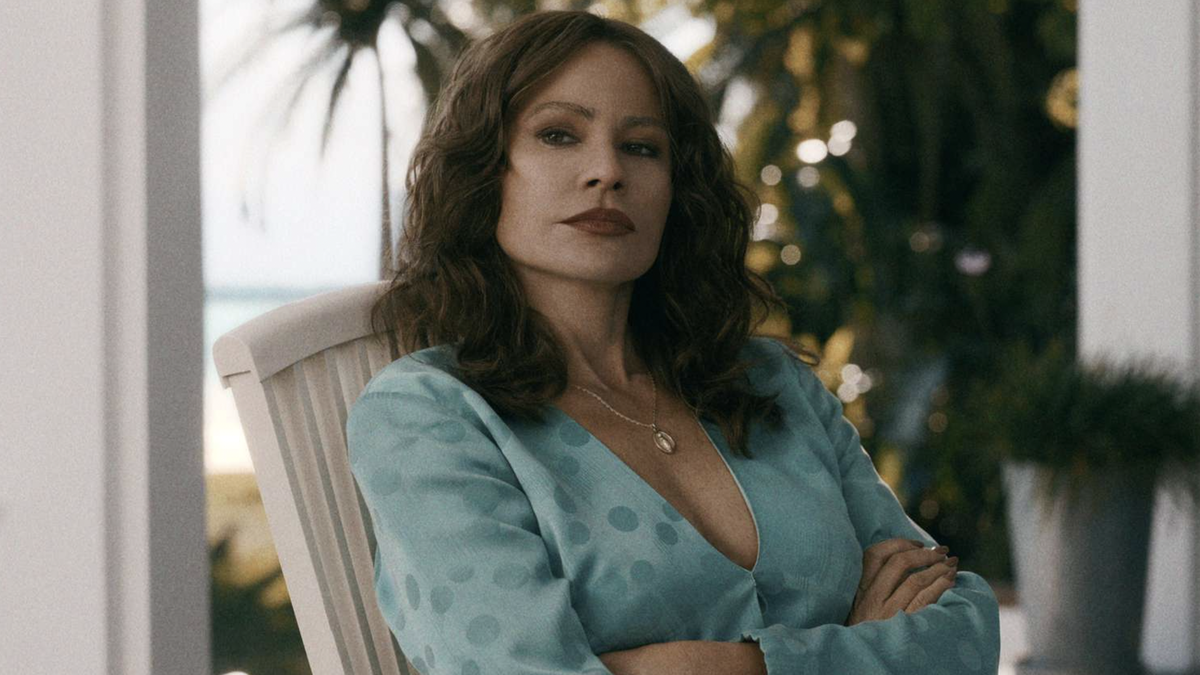
Image from www.menshealth.com
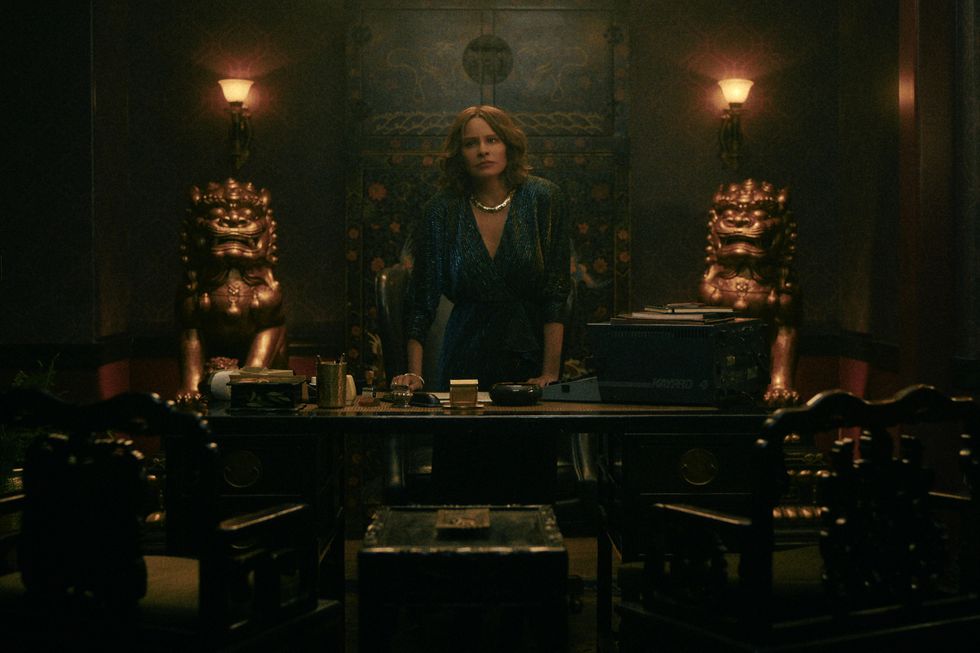
Image from www.menshealth.com
Image from www.menshealth.com

Image from www.menshealth.com

Image from www.menshealth.com
Image from www.yahoo.com
Image from www.yahoo.com

Image from www.yahoo.com (no alt text)

Image from www.yahoo.com
Image from www.yahoo.com
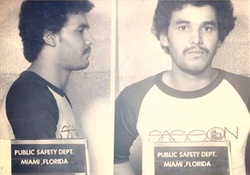
Image from en.wikipedia.org (no alt text)

Image from www.miamiherald.com

Image from www.miamiherald.com

Image from www.miamiherald.com
Image from www.miamiherald.com

Image from www.miamiherald.com

Image from www.miamiherald.com

Image from www.miamiherald.com

Image from www.miamiherald.com

Image from www.miamiherald.com

Image from www.miamiherald.com
Sources
- Griselda Blanco – Encyclopaedia Britannica
- Cocaine Cowboys (documentary)
- Cocaine Cowboys 2: Hustlin' with the Godmother (documentary)
- Griselda Blanco, 'Godmother of Cocaine,' Shot Dead in Colombia
- Griselda Blanco – Wikipedia
- DEA History – Operation Banshee and the Medellín Cartel
- U.S. v. Griselda Blanco – Federal Indictment, Southern District of New York (1975)
- Griselda Blanco Pleads Guilty to Three Murders – Miami Herald Archive
- Griselda Blanco mugshot, 1985 – Wikimedia Commons
- Griselda (Netflix miniseries) – Official Site
Frequently Asked Questions
Table of Contents
Case Summary
On the afternoon of September 3, 2012, a gunman dismounted from a motorcycle outside a butcher shop in Medellín, Colombia, and shot a 69-year-old woman twice in the head. He was gone before anyone could stop him. The woman was Griselda Blanco Restrepo, and the method of her killing was one she had invented herself.
In the 1970s and 1980s, Blanco built a cocaine empire that shipped 1,500 kilograms of product into Miami every month, generated an estimated $80 million monthly, and left dozens if not hundreds of people dead on both sides of the Atlantic. She mentored Pablo Escobar. She pioneered motorcycle assassinations. She named her youngest son Michael Corleone, after the Godfather character, because she saw the parallel and felt no shame in it.
She was convicted of federal drug trafficking in 1985. She beat a capital murder case when her star witness was caught having phone sex with prosecutors' secretaries. She served nearly two decades in prison, suffered a heart attack, was deported to Colombia, and allegedly became a born-again Christian.
None of it was enough to save her.
The killers who found her outside the Carnicería Cardiso that September afternoon were never identified. She was buried at Jardines de Montesacro cemetery in Medellín, in the same ground as Pablo Escobar. The Godmother of Cocaine, who had ordered the deaths of husbands, rivals, and at least one two-year-old child, ended her life on the same streets where she had built her legend: in Medellín, violently, by surprise.
This is her story.
February 15, 1943, Cartagena (or possibly Santa Marta), Colombia — birthplace disputed; most sources cite Cartagena; Britannica notes Santa Marta as possible baptism location; moved to Medellín at age 3(Age: 69)
September 3, 2012, Medellín, Colombia — outside Carnicería Cardiso butcher shop, Belén neighborhood, corner of 29th Street (Assassination — shot twice in the head at close range by a gunman who dismounted from a motorcycle)
Case Details
It was a Tuesday afternoon in Medellín, the kind of unhurried September day when old women browse for beef and neighbors exchange pleasantries on sun-warmed sidewalks. At approximately 3:00 PM on September 3, 2012, a 69-year-old woman stepped out of the Carnicería Cardiso butcher shop in the Belén neighborhood, on the corner of 29th Street. Her pregnant daughter-in-law walked at her side. Neither woman noticed the motorcycle pulling up behind them.
The gunman dismounted quickly, raised his weapon, and fired twice. Both bullets struck the woman in the head. She was dead before she hit the pavement.
Neighbors who gathered around the fallen figure may not have recognized her. She looked, by all accounts, like an ordinary grandmother, stout and unremarkable in the bright Colombian afternoon. But she was Griselda Blanco Restrepo, La Madrina, the Godmother of Cocaine, the architect of Miami's bloodiest era, a woman suspected of ordering somewhere between 40 and 250 murders across her lifetime. She died the way her enemies had died for decades: shot at close range from a motorcycle, by a killer who vanished and was never caught.
It was the method she had invented.
Griselda Blanco was born on February 15, 1943, in Cartagena, Colombia, though some records suggest her baptism may have occurred in Santa Marta. When she was three years old, her mother, Ana Lucía Restrepo, moved the family to Medellín, a city of steep green hillsides and grinding poverty where criminality was not merely temptation but often the only visible path forward.
Her childhood was brutal in the particular way that shapes either monsters or saints, and it shaped her into neither. It shaped her into something more functional and more dangerous: a survivor with no illusions. She was picking pockets before adolescence, fleeing home in her mid-teens to escape sexual abuse by her mother's boyfriend, surviving through theft and prostitution on the streets of a city that offered few alternatives to girls without money or protection. According to accounts shared years later by her former lover Charles Cosby, she allegedly kidnapped a child from a wealthy Medellín neighborhood at age 11 and, when the family failed to pay the ransom, shot and killed the boy herself. The story cannot be verified with certainty at this remove, but it fits the contours of a girl who had already learned that other people's suffering was a tool she could use.
She married her first husband, Carlos Trujillo, while still a teenager. Trujillo was a street hustler who specialized in forged immigration documents, and together they had three sons: Dixon, Uber, and Osvaldo. The marriage was useful until it wasn't. When it became a liability, Blanco had Trujillo killed.
By 1964, she had moved on to a second husband, a cocaine smuggler named Alberto Bravo who was connected to the emerging networks that would eventually consolidate into the Medellín Cartel. With forged papers, she crossed illegally into the United States, settled in Queens, New York, and began building a drug distribution operation with Bravo that funneled cocaine and marijuana into New York City. She had a gift for logistics, for managing people through a precise combination of reward and terror, and for identifying the pressure points in any system.
U.S. authorities were paying attention. In October 1974, the DEA placed Blanco on its most-wanted list and launched Operation Banshee, one of the agency's first major targeted narcotics operations, with her network as its central objective. On April 30, 1975, a federal grand jury in the Southern District of New York returned an indictment charging Blanco and 37 co-defendants with conspiracy to manufacture, import, and distribute cocaine. The government moved to arrest her. She was already gone, slipped back to Colombia before the warrant was even formally issued in May.
That same year, she shot and killed Alberto Bravo. They had quarreled over money he had stolen from the operation. The dispute ended with Bravo dead and Blanco moving on, as she always did.
She returned to the United States in the late 1970s, this time to Miami, and what she constructed there was staggering in its scale and its savagery. At the peak of her operation, her network was importing approximately 1,500 kilograms of cocaine monthly into the United States, generating an estimated $80 million per month. She pioneered smuggling methods that became industry standards: cocaine hidden in specially designed lingerie, packed into the hollow heels of shoes, concealed inside dog crates, secreted in the false bottoms of suitcases. The supply chain she built was elegant and ruthless in equal measure.
Miami in those years was a city coming apart. The homicide rate exploded. Dade County became a synonym for carnage. And Griselda Blanco was at the center of it all. Her enforcers, known as Pistoleros, carried out assassinations with motorcycle-mounted precision: a gunman riding up alongside a target, firing at close range, and disappearing into traffic before witnesses could process what they had seen. She had not adopted this technique from someone else. She had developed it, and it would become the signature killing method of the Medellín Cartel, exported to Colombia and replicated across decades of drug-war violence in ways that continue to echo today.
The violence crested in public on an afternoon in 1979 at Dadeland Mall in Miami. In broad daylight, inside a liquor store, Blanco's hitmen gunned down rival cocaine dealer German Jimenez Panesso and his bodyguard. They used automatic weapons and fled in a specially outfitted van. The massacre horrified the city and put a name on what law enforcement was already beginning to call the Cocaine Cowboy Wars. Miami's image as a sun-bleached paradise was permanently rewritten in those years, and Griselda Blanco had written much of the new version.
Her third husband was Darío Sepúlveda. In 1978, she gave birth to their son, whom she named Michael Corleone Blanco, after the protagonist of The Godfather. The choice of name was not accidental. She saw the parallel clearly. When the marriage dissolved and a custody dispute over young Michael turned ugly, Sepúlveda took the boy and fled to Colombia in 1983. Blanco ordered his assassination. Darío Sepúlveda was killed.
DEA Special Agent Robert Palombo was still building his case. In May 1984, he spotted Blanco in Newport Beach, California, but held off on the arrest to protect an ongoing investigation and a confidential informant. He waited. On February 17, 1985, federal agents arrested Griselda Blanco at her home in Irvine, California. She gave a false name and was carrying forged identification. It was, in its way, a tribute to her origins: she had come into the country on fake papers twenty years earlier, and fake papers were still her first instinct when cornered.
Her federal trial in New York ran from June 25 to July 9, 1985. The jury convicted her of conspiracy to manufacture, import, and distribute cocaine. On November 8, 1985, she was sentenced to 15 years in federal prison and fined $25,000. The fine was almost comic against the scale of her fortune.
But Florida was not finished with her. In 1994 and 1995, state prosecutors charged her with three counts of first-degree murder for the 1982 killings of two-year-old Johnny Castro and drug dealers Alfredo and Grizel Lorenzo. The case rested heavily on Jorge Ayala, known as Rivi, a hitman who had personally carried out murders on her orders and agreed to testify. Ayala was detailed, credible, and devastating as a witness. He was also, it emerged, making sexually explicit telephone calls to secretaries at the Miami-Dade State Attorney's Office while awaiting trial. The revelation destroyed his credibility, and with it, the capital murder case against Blanco.
Florida regrouped. In 1998, Blanco pleaded guilty to three counts of second-degree murder and received three concurrent 20-year prison sentences. She served approximately 19 years in total across her federal and state convictions.
In 2002, she suffered a heart attack in prison. By 2004, citing her deteriorating health, authorities granted her compassionate release and deported her to Colombia. She returned to Medellín and, by all accounts, lived quietly. Her son Michael later said she had become a born-again Christian in her final years. Whether the faith was genuine or the last shelter of someone with an enormous reckoning to avoid, no one alive can say.
Three of her four sons did not live to see her deportation. Dixon, Uber, and Osvaldo Trujillo all died during the 1990s from gang violence or in prison, casualties of the life their mother had made visible and glamorous and ordinary. Only Michael Corleone Blanco survived. In 2012, the year his mother died, he was convicted of cocaine trafficking. He later appeared on VH1's Cartel Crew and the Investigation Discovery series Evil Lives Here, carrying the name and the legend forward into a new medium.
And so it ended on that September afternoon in Belén, outside a butcher shop on 29th Street. The assassin, like the Pistoleros Blanco had deployed across two decades, arrived on a motorcycle and left the same way. The pregnant daughter-in-law standing beside her was unharmed. The killers were never publicly identified.
She was buried at Jardines de Montesacro cemetery in Medellín, the same grounds where Pablo Escobar had been interred nearly two decades before. That proximity deserves a moment's consideration. Historians and investigators have long credited Blanco with mentoring a young Escobar and working alongside the Ochoa Vásquez brothers, co-founders of the Medellín Cartel. Before Escobar became the most infamous drug lord in history, Griselda Blanco was the template: the innovator, the ruthless strategist, the proof that cocaine could be moved across borders in industrial quantities and that rivals could be eliminated at will and with impunity. She wrote the playbook that others followed into infamy.
The cultural reckoning has been substantial. The 2006 documentary Cocaine Cowboys and its 2008 follow-up placed her at the center of Miami's drug war with vivid, sometimes shattering clarity. The 2018 Lifetime film Cocaine Godmother starred Catherine Zeta-Jones in the title role. Then came the 2024 Netflix miniseries Griselda, with Sofía Vergara in an Emmy-nominated performance that introduced the Godmother of Cocaine to a global streaming audience who had no memory of the Dadeland Mall or Operation Banshee or the blood on the streets of 1980s Miami.
The fascination is understandable, even if it is not entirely comfortable. Blanco operated in a world where women were assumed to be peripheral figures, wives and girlfriends and decorative presences in the lives of powerful men. She was peripheral to no one. She built the empire herself, with the same appetite for violence and the same indifference to human cost as any of her male counterparts. She was not ruthless for a woman. She was ruthless, without qualification or caveat.
The body count attributed to her ranges from 40 murders in conservative U.S. estimates to 250 in Colombian official figures. Somewhere in that range are the real dead: drug dealers, rivals, husbands, a toddler caught in the wrong place at the wrong time, and perhaps a child kidnapped from a wealthy neighborhood when the woman who ordered his death was only eleven years old and already knew exactly what she was capable of.
She outlived most of them. She outlived most of her enemies and most of her allies. She outlived Pablo Escobar and three of her own sons. She lived long enough to become a Netflix series, a Catherine Zeta-Jones vehicle, a true crime icon consumed by people who would never have survived an afternoon in her Miami.
Then a motorcycle pulled up outside a butcher shop, and Griselda Blanco's story ended the way she had written so many others.
Timeline
Birth and Early Life in Colombia
Griselda Blanco Restrepo was born on February 15, 1943, in Cartagena (or possibly Santa Marta), Colombia, to Ana Lucía Restrepo. At age 3 she moved with her mother to Medellín, where she was immersed in poverty and street crime from an early age, becoming a pickpocket as a preteen and fleeing home in her mid-teens to escape sexual abuse by her mother's boyfriend.
Her impoverished and violent upbringing in Medellín's slums directly shaped the ruthless criminal persona she would develop, providing the environment that funneled her toward a life of organized crime.
First Marriage and Entry into Trafficking
After marrying her first husband Carlos Trujillo — a street hustler specializing in forged immigration documents — and bearing three sons (Dixon, Uber, and Osvaldo), Blanco divorced him and illegally entered the United States using fake documentation around 1964. She settled in Queens, New York, with her children and her second husband Alberto Bravo, a cocaine smuggler, with whom she built a major cocaine and marijuana trafficking network.
This move established Blanco's foothold in the American drug market and marked the beginning of her rise as a major narcotics trafficker, laying the foundation for what would become a multimillion-dollar empire.
Operation Banshee and Federal Indictment
On April 30, 1975, a federal grand jury in the U.S. District Court for the Southern District of New York returned an indictment charging Blanco and 37 co-conspirators with conspiracy to manufacture, import, and distribute cocaine. U.S. authorities, running one of the DEA's first major drug operations — 'Operation Banshee' — had placed her on their most-wanted list in October 1974. Blanco fled to Colombia before she could be arrested, and a warrant was issued in May 1975.
The indictment and Operation Banshee represented the first major U.S. law enforcement effort specifically targeting Blanco, forcing her underground and into Colombia while cementing her status as one of the most wanted drug traffickers in America.
Killing of Alberto Bravo and Return to Power
In 1975, Blanco shot and killed her second husband Alberto Bravo during a confrontation over money she believed he had stolen from their trafficking operation. She subsequently returned to Miami in the late 1970s and rebuilt her cocaine empire, shipping approximately 1,500 kilograms of cocaine monthly and generating an estimated $80 million per month at its peak.
The killing of Bravo demonstrated Blanco's willingness to eliminate even intimate partners who crossed her, and her return to Miami ushered in the most violent and lucrative chapter of her criminal career.
Dadeland Mall Shootout — The Cocaine Cowboy Wars Begin
In July 1979, Blanco's hitmen — her so-called 'Pistoleros' — gunned down rival cocaine dealer German Jimenez Panesso and his bodyguard in broad daylight inside a liquor store at the Dadeland Mall in Miami, Florida. The brazen public attack, carried out at close range with automatic weapons, shocked the nation and became the defining moment of the era known as the 'Cocaine Cowboy Wars.' Blanco is also credited with pioneering the use of motorcycle assassinations, a method subsequently adopted as a hallmark of the Medellín Cartel.
The Dadeland Mall massacre brought unprecedented public attention to the Miami drug war, prompted a massive federal law enforcement response, and cemented Blanco's reputation as the most feared and violent drug lord in South Florida.
Arrest in Irvine, California
After DEA Special Agent Robert Palombo spotted Blanco in Newport Beach, California in May 1984 but delayed arrest to protect an ongoing investigation, federal agents finally arrested her at her home in Irvine, California on February 17, 1985. She gave a false name and was found carrying forged identification. She was taken into federal custody to face the decade-old 1975 conspiracy indictment.
Blanco's arrest after more than a decade as a fugitive was a landmark moment for the DEA and marked the beginning of the end of her reign as the 'Godmother of Cocaine.'
Federal Trial, Conviction, and Sentencing
Following a jury trial in federal court in New York that ran from June 25 to July 9, 1985, Blanco was convicted of conspiracy to manufacture, import, and distribute cocaine. On November 8, 1985, she was sentenced to 15 years in federal prison and fined $25,000.
The federal conviction and 15-year sentence represented the first major legal reckoning for Blanco, though her story was far from over — she would face additional murder charges while still incarcerated.
Florida Murder Charges and Guilty Plea
While serving her federal sentence, Florida prosecutors charged Blanco in 1994–1995 with three counts of first-degree murder for the 1982 killings of 2-year-old Johnny Castro and drug dealers Alfredo and Grizel Lorenzo. The capital case collapsed when key witness and hitman Jorge 'Rivi' Ayala was discredited after being caught making sexually explicit phone calls to secretaries in the Miami-Dade State Attorney's Office. In 1998, Blanco pleaded guilty to three counts of second-degree murder and was sentenced to three concurrent 20-year prison terms.
The murder plea and sentencing underscored the staggering body count attributed to Blanco and ensured she would remain imprisoned well into old age, while the scandal surrounding Ayala's conduct became one of the most embarrassing episodes in Florida prosecutorial history.
Compassionate Release and Deportation to Colombia
After suffering a heart attack in prison in 2002 and serving approximately 19 years across her federal and state sentences, Blanco was granted compassionate release in 2004 citing her deteriorating health. She was deported to Colombia and returned to Medellín, where she reportedly lived quietly; her son Michael Corleone Blanco later stated she had become a born-again Christian.
Blanco's release and return to Colombia closed her American legal chapter and raised questions about whether justice had been fully served for a woman suspected of ordering between 40 and 250 murders.
Assassination Outside Medellín Butcher Shop
On September 3, 2012, at approximately 3:00 PM, Griselda Blanco was shot twice in the head at close range by an assassin who dismounted from a motorcycle outside the Carnicería Cardiso butcher shop in Medellín's Belén neighborhood, at the corner of 29th Street. She was 69 years old; her pregnant daughter-in-law, who was present, was unharmed. The killers were never publicly identified, and Blanco was buried at Jardines de Montesacro cemetery in Medellín — the same cemetery where Pablo Escobar is interred.
In a grim irony, the woman who pioneered motorcycle assassinations was herself killed by that very method, bringing a violent end to one of the most notorious criminal careers in the history of the Western Hemisphere.
Crime Location
Photos
Griselda Blanco Medellin
Image from en.wikipedia.org
Image from en.wikipedia.org
Image from en.wikipedia.org (no alt text)
Image from en.wikipedia.org (no alt text)
Image from en.wikipedia.org
Image from www.menshealth.com
Image from www.menshealth.com
Image from www.menshealth.com
Image from www.menshealth.com
Image from www.menshealth.com
Image from www.yahoo.com
Image from www.yahoo.com
Image from www.yahoo.com (no alt text)
Image from www.yahoo.com
Image from www.yahoo.com
Image from en.wikipedia.org (no alt text)
Image from www.miamiherald.com
Image from www.miamiherald.com
Image from www.miamiherald.com
Image from www.miamiherald.com
Image from www.miamiherald.com
Image from www.miamiherald.com
Image from www.miamiherald.com
Image from www.miamiherald.com
Image from www.miamiherald.com
Image from www.miamiherald.com
Sources
- Griselda Blanco – Encyclopaedia Britannica
- Cocaine Cowboys (documentary)
- Cocaine Cowboys 2: Hustlin' with the Godmother (documentary)
- Griselda Blanco, 'Godmother of Cocaine,' Shot Dead in Colombia
- Griselda Blanco – Wikipedia
- DEA History – Operation Banshee and the Medellín Cartel
- U.S. v. Griselda Blanco – Federal Indictment, Southern District of New York (1975)
- Griselda Blanco Pleads Guilty to Three Murders – Miami Herald Archive
- Griselda Blanco mugshot, 1985 – Wikimedia Commons
- Griselda (Netflix miniseries) – Official Site
Frequently Asked Questions
Related Cases
Convicted
Connection tags:
Convicted
Connection tags:
Convicted
Connection tags:
Accused
Connection tags:
Convicted
Connection tags:
Convicted
Connection tags:
Tags
Popular Culture
documentary (2006)
Landmark documentary about the Miami cocaine wars of the 1970s–80s featuring Griselda Blanco as a central figure; includes interviews with law enforcement and associates.
documentary (2008)
Sequel documentary focused entirely on Blanco, featuring her former lover Charles Cosby and law enforcement agents who pursued her; explores her personal life and criminal empire.
movie (2018)
Lifetime TV biopic starring Catherine Zeta-Jones as Griselda Blanco, dramatizing her rise from poverty in Colombia to becoming the 'Godmother of Cocaine' in Miami.
TV (2024)
Emmy-nominated Netflix miniseries starring Sofía Vergara as Griselda Blanco; became a global streaming phenomenon and one of Netflix's most-watched limited series, dramatizing her Miami cocaine empire.
TV (2018)
VH1 reality series featuring Michael Corleone Blanco, Griselda's youngest son, as he navigates life after growing up in a cartel family.
TV (2019)
Investigation Discovery documentary series episode featuring Michael Corleone Blanco discussing life as the son of Griselda Blanco.