Christine Léa Papin

Case Summary
Christine Léa Papin and her sister Léa Papin were both live-in maids who were convicted for the murder of their employer's wife and daughter in Le Mans, France on February 2, 1933. The crime, which was a shocking and brutal attack, stunned the country and has been the subject of numerous books, films, and studies. The sisters were found guilty and sentenced to prison, with Christine's sentence being commuted to life imprisonment after a retrial.
March 8, 1905, Le Mans, France(Age: 32)
May 18, 1937
Related Cases

Convicted
Connection tags:

Convicted
Connection tags:

Convicted
Connection tags:

Convicted
Connection tags:

Convicted
Connection tags:
Convicted
Connection tags:
Case Details
The chilling tale of the Papin sisters, Christine and Léa, is one that continues to reverberate through the annals of criminal history. The shocking brutality of their crime, the murder of their employer's wife and daughter in Le Mans, France, in 1933, coupled with the complex psychological dynamics at play, has made their case a subject of enduring fascination and debate.
Christine and Léa Papin were born into a troubled family in Le Mans, a city in western France. Their mother, Clemence Derre, was known to be a harsh and difficult woman, and their father, Gustave Papin, was an alcoholic who reportedly raped Christine on numerous occasions. The girls' older sister, Emilia, was sent to a Catholic orphanage after their mother caught their father sexually abusing her. Christine and Léa were eventually sent to live with their aunt, but they returned to their mother after she found work as a maid and could afford to keep them.
The sisters, particularly Christine, who was the elder by six years, harbored a deep resentment towards their mother, who they felt had abandoned them. They found solace in each other's company, their bond growing increasingly intense and exclusive over the years. When they started working together as maids for the Lancelin family in 1926, their insular world became even more isolated.
Madame Léonie Lancelin and her adult daughter, Geneviève, were known for their bourgeois lifestyle and demanding standards. The Papin sisters, who were noted for their diligence and quiet demeanor, seemed to fit well into the Lancelin household. However, beneath the surface, tensions were simmering.
The Papins' relationship with their employers was fraught with latent hostility. The sisters, who were expected to work fourteen hours a day with only half a day off each week, felt exploited and resentful. They were particularly incensed by their low wages, which their mother, who they were now estranged from, partly claimed as repayment for bringing them up.
The situation reached a boiling point on the night of February 2, 1933. Madame Lancelin and Geneviève returned home late to find that a faulty iron had caused a power outage. A heated argument erupted, culminating in the sisters attacking the Lancelin women with a hammer and a kitchen knife. The ferocity of the attack was such that the victims were almost unrecognizable when their bodies were discovered.
The events that followed were marked by a startling lack of remorse on the part of the Papin sisters. When the police arrived, they found the sisters in their room, calm and seemingly unperturbed by the gruesome scene downstairs. They readily confessed to the murders, exhibiting no fear or regret.
The trial of the Papin sisters was a media sensation. The brutality of the murders, coupled with the sisters' apparent lack of motive, captured the public imagination. The sisters' defense lawyer, Paul Godefroy, argued that they were the victims of a society that had mistreated and exploited them. He claimed that the murders were an act of rebellion against their oppressive employers and the social order that sustained them.
However, the court was not swayed by Godefroy's arguments, and the sisters were convicted of murder. Christine was sentenced to death, while Léa was given a ten-year prison sentence. Christine's sentence was later commuted to life imprisonment due to her mental state.
The case of the Papin sisters sparked widespread debate and controversy. Some saw them as victims of societal injustice, while others viewed them as cold-blooded killers. The murders were seen as a shocking reversal of the social order, with the servants turning on their masters in a most violent manner.
The case also attracted the attention of prominent intellectuals and artists, including the existentialist philosopher Jean-Paul Sartre and the surrealist poet André Breton. They saw in the sisters' crime a radical act of defiance against the bourgeois society they despised.
The Papin sisters' case has since inspired numerous works of literature, film, and theater. The most notable of these is Jean Genet's 1947 play "The Maids," which explores themes of class, gender, and power through the prism of the Papin sisters' story.
In the decades since, the case has also been the subject of extensive psychological analysis. Some experts have suggested that the sisters may have suffered from shared psychotic disorder, a rare condition in which delusional beliefs are transmitted from one individual to another. This theory could explain the sisters' unusually close bond and their apparent lack of remorse for their crime.
The Papin sisters' case remains a seminal event in French criminal history. Its legacy continues to resonate, serving as a potent reminder of the destructive power of resentment and the potential for violence lurking beneath the surface of seemingly ordinary lives. Today, the story of Christine and Léa Papin serves as a chilling cautionary tale, a grim testament to the darkness that can arise from the most unexpected sources.
Timeline
Murder of employers
Christine and Léa Papin brutally murdered their employer's wife and daughter in their home.
Arrest of Papin Sisters
Christine and Léa Papin were arrested for the murder of their employers.
Conviction
Both sisters were found guilty of murder. Christine's death sentence was later commuted to life imprisonment.
Crime Location
Photos
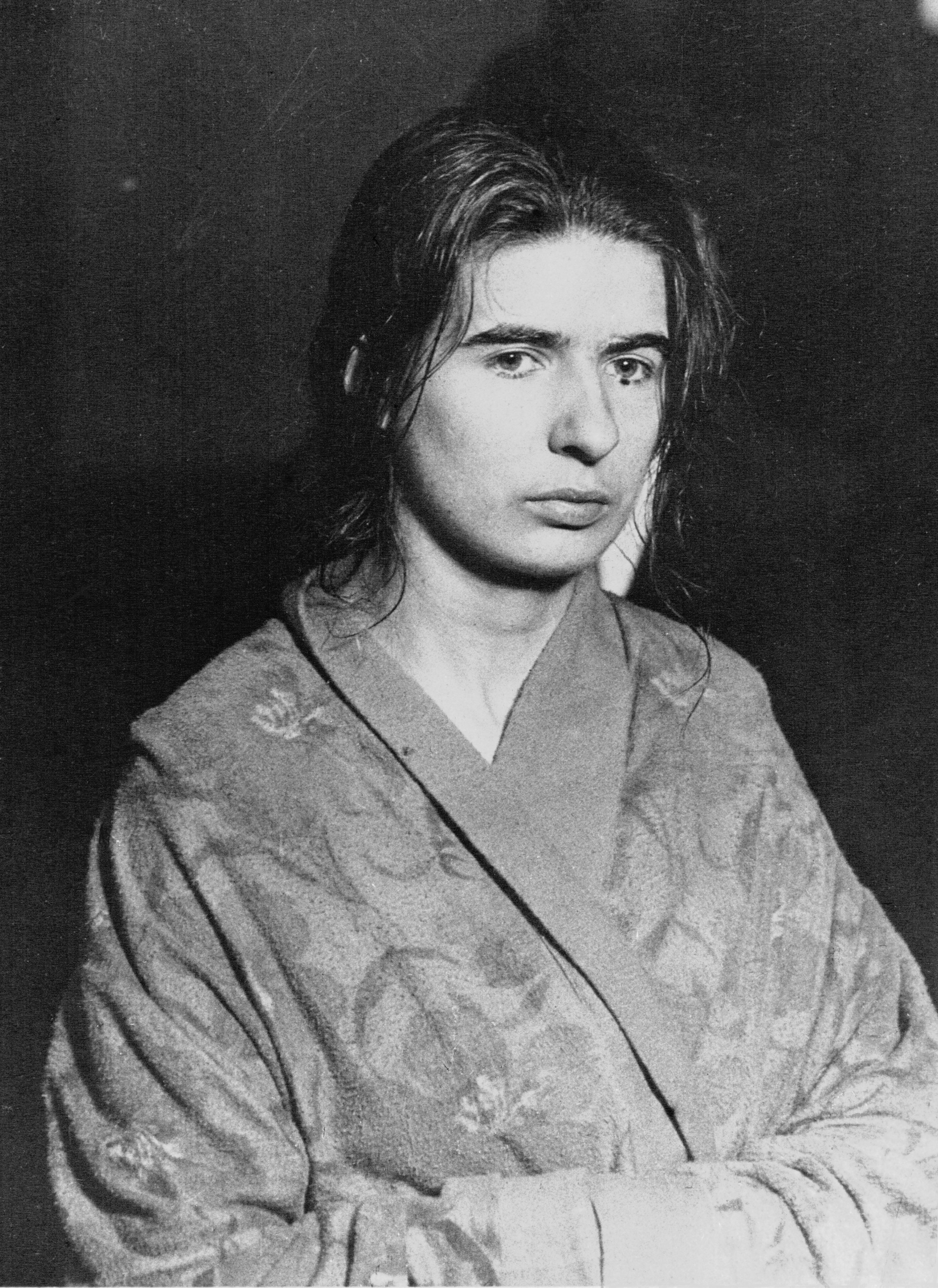
Mugshot of Christine Papin
The Crime Scene
Papin Sisters in Court

Christine Léa Papin - Primary image

Christine Léa Papin - Image 2
Christine Léa Papin - Image 3
Christine Léa Papin - Image 4

Christine Léa Papin - Image 5
Frequently Asked Questions
Table of Contents
Case Summary
Christine Léa Papin and her sister Léa Papin were both live-in maids who were convicted for the murder of their employer's wife and daughter in Le Mans, France on February 2, 1933. The crime, which was a shocking and brutal attack, stunned the country and has been the subject of numerous books, films, and studies. The sisters were found guilty and sentenced to prison, with Christine's sentence being commuted to life imprisonment after a retrial.
March 8, 1905, Le Mans, France(Age: 32)
May 18, 1937
Case Details
The chilling tale of the Papin sisters, Christine and Léa, is one that continues to reverberate through the annals of criminal history. The shocking brutality of their crime, the murder of their employer's wife and daughter in Le Mans, France, in 1933, coupled with the complex psychological dynamics at play, has made their case a subject of enduring fascination and debate.
Christine and Léa Papin were born into a troubled family in Le Mans, a city in western France. Their mother, Clemence Derre, was known to be a harsh and difficult woman, and their father, Gustave Papin, was an alcoholic who reportedly raped Christine on numerous occasions. The girls' older sister, Emilia, was sent to a Catholic orphanage after their mother caught their father sexually abusing her. Christine and Léa were eventually sent to live with their aunt, but they returned to their mother after she found work as a maid and could afford to keep them.
The sisters, particularly Christine, who was the elder by six years, harbored a deep resentment towards their mother, who they felt had abandoned them. They found solace in each other's company, their bond growing increasingly intense and exclusive over the years. When they started working together as maids for the Lancelin family in 1926, their insular world became even more isolated.
Madame Léonie Lancelin and her adult daughter, Geneviève, were known for their bourgeois lifestyle and demanding standards. The Papin sisters, who were noted for their diligence and quiet demeanor, seemed to fit well into the Lancelin household. However, beneath the surface, tensions were simmering.
The Papins' relationship with their employers was fraught with latent hostility. The sisters, who were expected to work fourteen hours a day with only half a day off each week, felt exploited and resentful. They were particularly incensed by their low wages, which their mother, who they were now estranged from, partly claimed as repayment for bringing them up.
The situation reached a boiling point on the night of February 2, 1933. Madame Lancelin and Geneviève returned home late to find that a faulty iron had caused a power outage. A heated argument erupted, culminating in the sisters attacking the Lancelin women with a hammer and a kitchen knife. The ferocity of the attack was such that the victims were almost unrecognizable when their bodies were discovered.
The events that followed were marked by a startling lack of remorse on the part of the Papin sisters. When the police arrived, they found the sisters in their room, calm and seemingly unperturbed by the gruesome scene downstairs. They readily confessed to the murders, exhibiting no fear or regret.
The trial of the Papin sisters was a media sensation. The brutality of the murders, coupled with the sisters' apparent lack of motive, captured the public imagination. The sisters' defense lawyer, Paul Godefroy, argued that they were the victims of a society that had mistreated and exploited them. He claimed that the murders were an act of rebellion against their oppressive employers and the social order that sustained them.
However, the court was not swayed by Godefroy's arguments, and the sisters were convicted of murder. Christine was sentenced to death, while Léa was given a ten-year prison sentence. Christine's sentence was later commuted to life imprisonment due to her mental state.
The case of the Papin sisters sparked widespread debate and controversy. Some saw them as victims of societal injustice, while others viewed them as cold-blooded killers. The murders were seen as a shocking reversal of the social order, with the servants turning on their masters in a most violent manner.
The case also attracted the attention of prominent intellectuals and artists, including the existentialist philosopher Jean-Paul Sartre and the surrealist poet André Breton. They saw in the sisters' crime a radical act of defiance against the bourgeois society they despised.
The Papin sisters' case has since inspired numerous works of literature, film, and theater. The most notable of these is Jean Genet's 1947 play "The Maids," which explores themes of class, gender, and power through the prism of the Papin sisters' story.
In the decades since, the case has also been the subject of extensive psychological analysis. Some experts have suggested that the sisters may have suffered from shared psychotic disorder, a rare condition in which delusional beliefs are transmitted from one individual to another. This theory could explain the sisters' unusually close bond and their apparent lack of remorse for their crime.
The Papin sisters' case remains a seminal event in French criminal history. Its legacy continues to resonate, serving as a potent reminder of the destructive power of resentment and the potential for violence lurking beneath the surface of seemingly ordinary lives. Today, the story of Christine and Léa Papin serves as a chilling cautionary tale, a grim testament to the darkness that can arise from the most unexpected sources.
Timeline
Murder of employers
Christine and Léa Papin brutally murdered their employer's wife and daughter in their home.
Arrest of Papin Sisters
Christine and Léa Papin were arrested for the murder of their employers.
Conviction
Both sisters were found guilty of murder. Christine's death sentence was later commuted to life imprisonment.
Crime Location
Photos
Mugshot of Christine Papin
The Crime Scene
Papin Sisters in Court
Christine Léa Papin - Primary image
Christine Léa Papin - Image 2
Christine Léa Papin - Image 3
Christine Léa Papin - Image 4
Christine Léa Papin - Image 5
Frequently Asked Questions
Related Cases
Convicted
Connection tags:
Convicted
Connection tags:
Convicted
Connection tags:
Convicted
Connection tags:
Convicted
Connection tags:
Convicted
Connection tags:
Popular Culture
book (1977)
Novel by Ruth Rendell, loosely inspired by the Papin sisters' case.
movie (1963)
French film based on the Papin sisters' case.