Darya Nikolayevna Saltykova

Case Summary
Darya Nikolayevna Saltykova, also known as Saltychikha, was a Russian noblewoman, sadist, and serial killer from the Saltykov family in Moscow. She was notorious for her brutal treatment and murder of many of her serfs, especially women. Her crimes have often been compared to those of the Hungarian 'Blood Countess,' Elizabeth Báthory, who allegedly committed similar atrocities against servant girls and local serfs in her home, Čachtice Castle. The charges against Saltykova, however, are better documented and less disputed by historians.
March 11, 1730, Moscow, Russia(Age: 71)
December 9, 1801
Related Cases

Convicted
Connection tags:

Convicted
Connection tags:

Convicted
Connection tags:

Convicted
Connection tags:

Convicted
Connection tags:

Convicted
Connection tags:
Case Details
In the annals of true crime, many notorious figures have their names etched in blood, their deeds a chilling testament to the depths of human cruelty. Darya Nikolayevna Saltykova, also known as Saltychikha, is one such figure. A Russian noblewoman from the Saltykov family, she was not only a sadist but a serial killer—a woman who used her position of power to commit atrocities against those who were helpless against her. Born into privilege and wealth, Saltykova has been compared to Elizabeth Báthory, the infamous "Blood Countess" of Hungary, who was also accused of torturing and killing her servants. Yet, while historians continue to debate the veracity of Báthory's crimes, there is no such ambiguity surrounding Saltykova's reign of terror.
Saltykova was born in Moscow in the year 1730 to a family of high-ranking nobles. Her father, Nikolai Ivanovich Saltykov, was a prominent figure in the Russian court, while her mother, Anna Petrovna, was a respected member of the aristocracy. Despite her privileged upbringing, Saltykova's life was marked by tragedy from an early age. She was orphaned at a young age and married off to Gleb Alexeyevich Saltykov, a man much older than her. Unfortunately, her husband died when she was only 26, leaving her a widow with two sons. The death of her husband seemed to have triggered a transformation in Saltykova, turning her from a grieving widow to a sadistic killer.
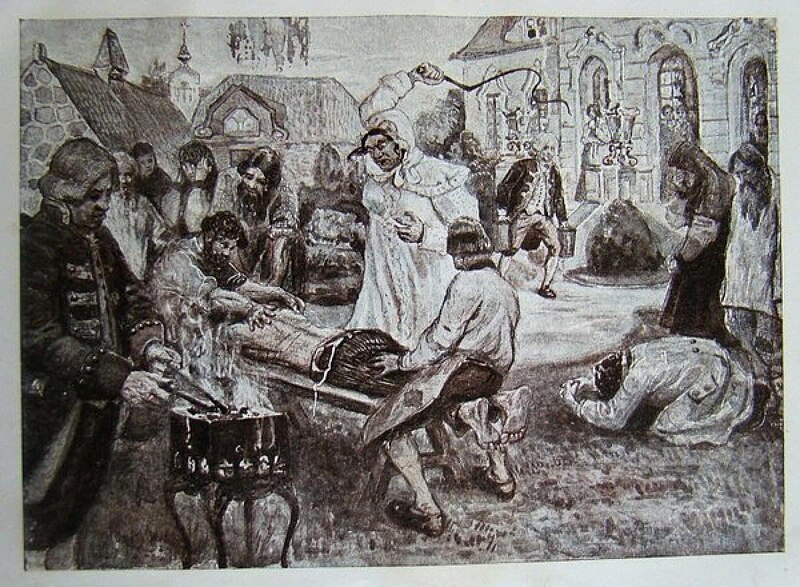
Her victims were her serfs, mostly women, whom she subjected to abhorrent forms of physical and psychological torture. The number of her victims is estimated to be between 38 and 147, but the true number might never be known. The crimes took place at her estate in Moscow, where she exercised complete authority. The first accounts of her atrocities began to surface in the early 1760s. The serfs, unable to bear the brutality, sent petitions to the authorities, pleading for intervention. However, the pleas fell on deaf ears, and the torture continued unabated.
It was not until 1762, with the accession of Catherine II, also known as Catherine the Great, to the Russian throne, that the victims' desperate pleas were finally heard. Catherine, determined to stamp out the lawlessness of the nobility, ordered an investigation into the allegations against Saltykova. The investigation was led by Ivan Betskoy, a trusted advisor of Catherine and a prominent figure in the Russian court. Over the course of the investigation, the true scale of Saltykova's crimes began to emerge. Many of the surviving victims bore scars and injuries that testified to the horrific abuse they had endured. Some even exhibited signs of psychological trauma as a result of the relentless torture.
The evidence against Saltykova was overwhelming, and in 1768, she was arrested and put on trial. The trial was a major event, attracting attention from all corners of the Russian Empire. Saltykova was charged with the murder of 38 of her serfs, although the actual number of victims was believed to be much higher. The proceedings were marked by Saltykova's defiant attitude. She refused to plead guilty, maintaining her innocence throughout the trial. However, the testimonies of the survivors, coupled with the physical evidence, left no doubt about her guilt.
In a landmark judgment, Saltykova was found guilty and sentenced to life imprisonment. She was to spend the rest of her days in the basement of the Ivanovsky Convent in Moscow, with a signboard around her neck bearing the words: "This woman has tortured and murdered." The sentence was a clear message from Catherine to the nobility, a stark warning that their power was not absolute and that they would be held accountable for their actions.
The Saltykova case was widely covered by the media, both within Russia and beyond. The brutality of her crimes sent shock waves across the nation, sparking widespread outrage and calls for reform. The public reaction was one of disbelief and anger, with many questioning how such atrocities could have been allowed to happen. The case also sparked a debate about the rights of serfs and the unchecked power of the nobility.
The cultural impact of the Saltykova case is undeniable. Her crimes have been the subject of numerous books, films, and plays, and her name has become synonymous with brutality and sadism. The case has also been compared to other notorious cases of serial killers, such as the aforementioned Elizabeth Báthory and Gilles de Rais, a nobleman from France who was also accused of torturing and killing his servants.
In conclusion, the case of Darya Saltykova serves as a chilling reminder of the dark side of power and privilege. It underscores the importance of checks and balances in society, showing how unchecked power can lead to unspeakable horrors. Even today, more than two centuries after her death, Saltykova's legacy lives on, a macabre testament to the depths of human cruelty.
Timeline
Crimes
Darya Saltykova commits a series of brutal crimes, torturing and killing many of her serfs.
Investigation
Authorities begin investigating the allegations against Saltykova.
Trial
Saltykova is put on trial for her crimes.
Conviction
Saltykova is convicted for her crimes.
Death
Darya Saltykova dies.
Crime Location
Photos
Portrait of Darya Saltykova
Saltykova's family estate
Artistic depiction of Saltykova's crimes
Darya Saltykova - Primary image

Darya Saltykova - Image 2
Frequently Asked Questions
Table of Contents
Case Summary
Darya Nikolayevna Saltykova, also known as Saltychikha, was a Russian noblewoman, sadist, and serial killer from the Saltykov family in Moscow. She was notorious for her brutal treatment and murder of many of her serfs, especially women. Her crimes have often been compared to those of the Hungarian 'Blood Countess,' Elizabeth Báthory, who allegedly committed similar atrocities against servant girls and local serfs in her home, Čachtice Castle. The charges against Saltykova, however, are better documented and less disputed by historians.
March 11, 1730, Moscow, Russia(Age: 71)
December 9, 1801
Case Details
In the annals of true crime, many notorious figures have their names etched in blood, their deeds a chilling testament to the depths of human cruelty. Darya Nikolayevna Saltykova, also known as Saltychikha, is one such figure. A Russian noblewoman from the Saltykov family, she was not only a sadist but a serial killer—a woman who used her position of power to commit atrocities against those who were helpless against her. Born into privilege and wealth, Saltykova has been compared to Elizabeth Báthory, the infamous "Blood Countess" of Hungary, who was also accused of torturing and killing her servants. Yet, while historians continue to debate the veracity of Báthory's crimes, there is no such ambiguity surrounding Saltykova's reign of terror.
Saltykova was born in Moscow in the year 1730 to a family of high-ranking nobles. Her father, Nikolai Ivanovich Saltykov, was a prominent figure in the Russian court, while her mother, Anna Petrovna, was a respected member of the aristocracy. Despite her privileged upbringing, Saltykova's life was marked by tragedy from an early age. She was orphaned at a young age and married off to Gleb Alexeyevich Saltykov, a man much older than her. Unfortunately, her husband died when she was only 26, leaving her a widow with two sons. The death of her husband seemed to have triggered a transformation in Saltykova, turning her from a grieving widow to a sadistic killer.
Her victims were her serfs, mostly women, whom she subjected to abhorrent forms of physical and psychological torture. The number of her victims is estimated to be between 38 and 147, but the true number might never be known. The crimes took place at her estate in Moscow, where she exercised complete authority. The first accounts of her atrocities began to surface in the early 1760s. The serfs, unable to bear the brutality, sent petitions to the authorities, pleading for intervention. However, the pleas fell on deaf ears, and the torture continued unabated.
It was not until 1762, with the accession of Catherine II, also known as Catherine the Great, to the Russian throne, that the victims' desperate pleas were finally heard. Catherine, determined to stamp out the lawlessness of the nobility, ordered an investigation into the allegations against Saltykova. The investigation was led by Ivan Betskoy, a trusted advisor of Catherine and a prominent figure in the Russian court. Over the course of the investigation, the true scale of Saltykova's crimes began to emerge. Many of the surviving victims bore scars and injuries that testified to the horrific abuse they had endured. Some even exhibited signs of psychological trauma as a result of the relentless torture.
The evidence against Saltykova was overwhelming, and in 1768, she was arrested and put on trial. The trial was a major event, attracting attention from all corners of the Russian Empire. Saltykova was charged with the murder of 38 of her serfs, although the actual number of victims was believed to be much higher. The proceedings were marked by Saltykova's defiant attitude. She refused to plead guilty, maintaining her innocence throughout the trial. However, the testimonies of the survivors, coupled with the physical evidence, left no doubt about her guilt.
In a landmark judgment, Saltykova was found guilty and sentenced to life imprisonment. She was to spend the rest of her days in the basement of the Ivanovsky Convent in Moscow, with a signboard around her neck bearing the words: "This woman has tortured and murdered." The sentence was a clear message from Catherine to the nobility, a stark warning that their power was not absolute and that they would be held accountable for their actions.
The Saltykova case was widely covered by the media, both within Russia and beyond. The brutality of her crimes sent shock waves across the nation, sparking widespread outrage and calls for reform. The public reaction was one of disbelief and anger, with many questioning how such atrocities could have been allowed to happen. The case also sparked a debate about the rights of serfs and the unchecked power of the nobility.
The cultural impact of the Saltykova case is undeniable. Her crimes have been the subject of numerous books, films, and plays, and her name has become synonymous with brutality and sadism. The case has also been compared to other notorious cases of serial killers, such as the aforementioned Elizabeth Báthory and Gilles de Rais, a nobleman from France who was also accused of torturing and killing his servants.
In conclusion, the case of Darya Saltykova serves as a chilling reminder of the dark side of power and privilege. It underscores the importance of checks and balances in society, showing how unchecked power can lead to unspeakable horrors. Even today, more than two centuries after her death, Saltykova's legacy lives on, a macabre testament to the depths of human cruelty.
Timeline
Crimes
Darya Saltykova commits a series of brutal crimes, torturing and killing many of her serfs.
Investigation
Authorities begin investigating the allegations against Saltykova.
Trial
Saltykova is put on trial for her crimes.
Conviction
Saltykova is convicted for her crimes.
Death
Darya Saltykova dies.
Crime Location
Photos
Portrait of Darya Saltykova
Saltykova's family estate
Artistic depiction of Saltykova's crimes
Darya Saltykova - Primary image
Darya Saltykova - Image 2
Frequently Asked Questions
Related Cases
Convicted
Connection tags:
Convicted
Connection tags:
Convicted
Connection tags:
Convicted
Connection tags:
Convicted
Connection tags:
Convicted
Connection tags:
Popular Culture
book (unknown)
A book detailing the life and crimes of Darya Saltykova.
book (unknown)
A book exploring the sadistic crimes of Darya Saltykova.