Jiang Qing

Case Summary
Jiang Qing, also known as Madame Mao, was a key figure in the Chinese communist revolution and the fourth wife of Mao Zedong, the Chairman of the Communist Party and Paramount leader of China. She played a significant role in the Cultural Revolution, leading the radical Gang of Four. In the aftermath of Mao's death and the end of the Cultural Revolution, Jiang was arrested and convicted for counter-revolutionary crimes during the Gang of Four trial. She was held mainly responsible for the chaotic and violent period of the Cultural Revolution, which resulted in widespread human rights abuses and millions of deaths.
March 19, 1914, Zhucheng, Shandong, China(Age: 77)
May 14, 1991, Beijing, China (Suicide by hanging)
Related Cases

Convicted
Connection tags:
Convicted
Connection tags:

Convicted
Connection tags:
Convicted
Connection tags:
Convicted
Connection tags:

Convicted
Connection tags:
Case Details
Jiang Qing, better known as Madame Mao, is a name that sends shivers down the spine of anyone familiar with China's tumultuous political history. This notorious figure, once the wife of Mao Zedong, the Chairman of the Communist Party and Paramount leader of China, was a key player in one of the most devastating periods of China's 20th-century history, the Cultural Revolution. Her reign of terror as the leader of the radical "Gang of Four" has left an indelible mark on the country's history.
Jiang Qing was born on March 19, 1914, as Li Yunhe in Zhucheng, Shandong province. Her early life was fraught with hardship. Her mother died when she was just a child, and she was raised by her father, a carpenter. She fled from an arranged marriage at the age of 16 and moved to the city of Jinan, where she began her career as an actress. Using the stage name Lan Ping, she quickly rose to fame for her talent and beauty. However, the glamour of the stage could not distract her from the political unrest brewing in China.
In 1937, she met Mao Zedong in Yan'an, then the base of the Communist Party of China, and they were married a year later. During their marriage, Jiang showed a keen interest in politics, an arena usually closed to women in China. She was ambitious and unafraid to challenge traditional gender roles, qualities that would later come to define her political career.
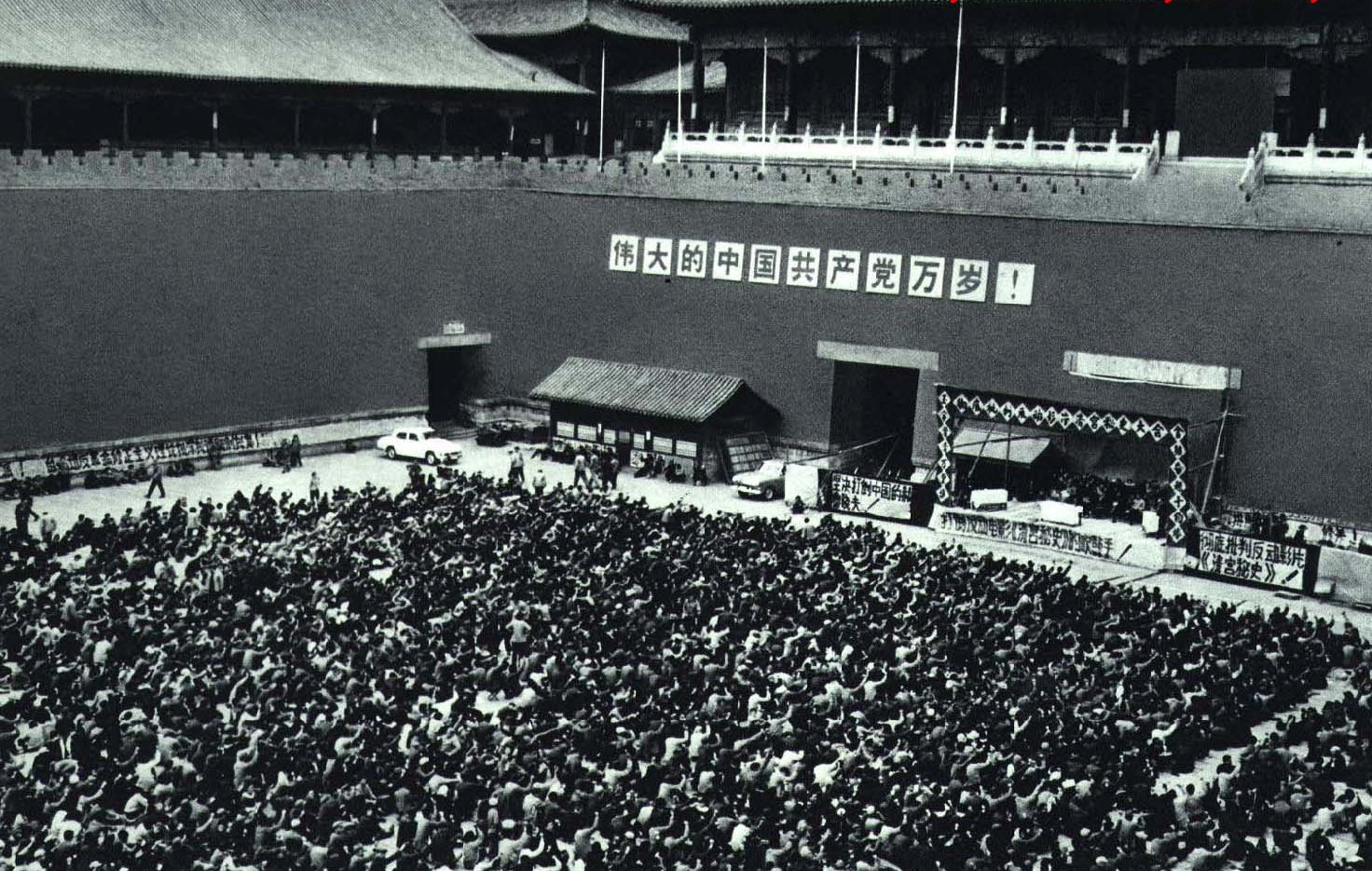
The alleged crimes of Jiang Qing began in the late 1960s, during the Cultural Revolution, a violent socio-political movement initiated by Mao Zedong to enforce communism in the country by purging remnants of capitalist and traditional elements from Chinese society. This period marked the rise of Jiang Qing as a powerful political figure. Under her husband's patronage, she was appointed as the deputy director of the Central Cultural Revolution Group and quickly rose to power, forming the radical faction known as the 'Gang of Four' with Zhang Chunqiao, Yao Wenyuan, and Wang Hongwen. This group would later be held responsible for the chaos and devastation wrought by the Cultural Revolution.
Jiang and her gang wielded immense power and influence, effectively controlling China's media, education, and cultural institutions. They launched a campaign of radical thought reform, purging those perceived as enemies of the state through public humiliation, imprisonment, and execution. Their reign of terror resulted in the death and displacement of millions of people.
After Mao's death in 1976, Jiang's power began to wane. She and the other members of the Gang of Four were arrested in October of that year, marking the end of the Cultural Revolution. The group was charged with a series of crimes, including the persecution of some 750,000 people, 34,375 of whom died during the period 1966–76.
The trial of the Gang of Four, which began in 1980, was a spectacle watched by millions. Jiang, defiant and unrepentant, insisted she was merely following Mao's orders. Despite her protests, she was found guilty of "counter-revolutionary crimes" and sentenced to death in 1981, a sentence later commuted to life imprisonment due to her significant contributions to the Communist Party and the Chinese revolution.
Jiang spent the rest of her life in prison, steadfastly maintaining her innocence. In 1991, she was released on medical parole due to ill health. However, her freedom was short-lived. On May 14, 1991, she died from throat cancer, ending one of the most controversial chapters in Chinese history.
The public reaction to Jiang's crimes was one of shock and outrage. Her trial was widely covered by the media, both within China and internationally. People across China watched as the woman who had once held their country in her grip was brought to justice. Her crimes left a deep scar on the Chinese psyche, and her name became synonymous with the horrors of the Cultural Revolution.
Jiang's case had a profound impact on Chinese society and culture. It marked the end of the Cultural Revolution, a period that had brought untold suffering to millions of people. Her trial also signaled a turning point for the Communist Party, which began to distance itself from the radical ideologies of the Cultural Revolution.
Her story has been depicted in numerous books and films, serving as a reminder of the dangers of unchecked power and ideological fanaticism. Her life and crimes have also been the subject of academic study, with scholars examining her role in the Cultural Revolution and the complex interplay of gender, power, and politics in her rise and fall.
Jiang Qing's story is, in many ways, a cautionary tale. It serves as a stark reminder of the human cost of political fanaticism and the devastating consequences of unchecked power. Her crimes, and the era in which they were committed, have left an indelible mark on Chinese history, a mark that will not be easily forgotten.
While Jiang Qing may be gone, her legacy lives on, a chilling reminder of a dark chapter in China's history. Her story continues to be told and retold, a stark warning of the perils of power unchecked. As the world continues to grapple with the complexities of political power and ideology, the tale of Madame Mao serves as a sobering reminder of the potential human cost of political fanaticism.
Timeline
Start of the Cultural Revolution
Jiang Qing played a significant role in initiating the Cultural Revolution in China.
Mao Zedong's Death
With Mao's death, Jiang Qing lost her support base and was arrested within a month.
Conviction
Jiang was convicted for counter-revolutionary crimes during the Gang of Four trial.
Crime Location
Photos
Portrait of Jiang Qing
Jiang Qing and Mao Zedong
Gang of Four Trial
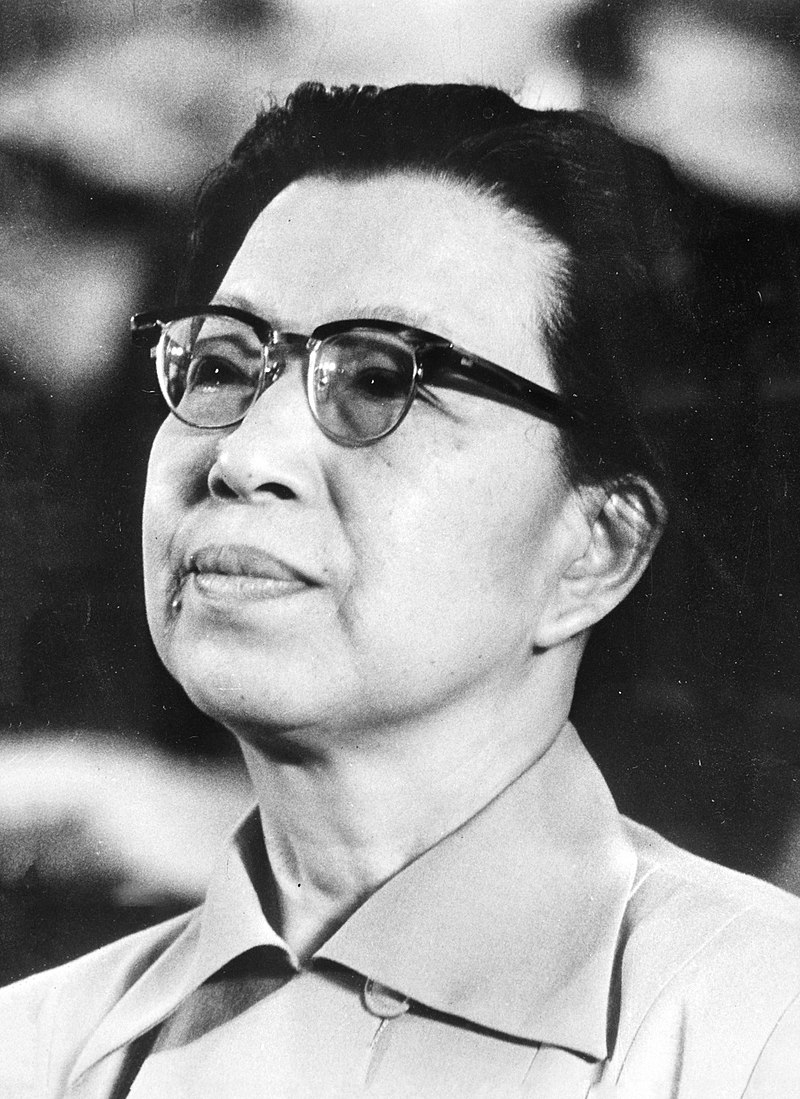
Jiang Qing - Primary image

Jiang Qing - Image 2

Jiang Qing - Image 3

Jiang Qing - Image 4

Jiang Qing - Image 5

Jiang Qing - Image 6
Jiang Qing - Image 7
Jiang Qing - Image 8
Sources
Frequently Asked Questions
Table of Contents
Case Summary
Jiang Qing, also known as Madame Mao, was a key figure in the Chinese communist revolution and the fourth wife of Mao Zedong, the Chairman of the Communist Party and Paramount leader of China. She played a significant role in the Cultural Revolution, leading the radical Gang of Four. In the aftermath of Mao's death and the end of the Cultural Revolution, Jiang was arrested and convicted for counter-revolutionary crimes during the Gang of Four trial. She was held mainly responsible for the chaotic and violent period of the Cultural Revolution, which resulted in widespread human rights abuses and millions of deaths.
March 19, 1914, Zhucheng, Shandong, China(Age: 77)
May 14, 1991, Beijing, China (Suicide by hanging)
Case Details
Jiang Qing, better known as Madame Mao, is a name that sends shivers down the spine of anyone familiar with China's tumultuous political history. This notorious figure, once the wife of Mao Zedong, the Chairman of the Communist Party and Paramount leader of China, was a key player in one of the most devastating periods of China's 20th-century history, the Cultural Revolution. Her reign of terror as the leader of the radical "Gang of Four" has left an indelible mark on the country's history.
Jiang Qing was born on March 19, 1914, as Li Yunhe in Zhucheng, Shandong province. Her early life was fraught with hardship. Her mother died when she was just a child, and she was raised by her father, a carpenter. She fled from an arranged marriage at the age of 16 and moved to the city of Jinan, where she began her career as an actress. Using the stage name Lan Ping, she quickly rose to fame for her talent and beauty. However, the glamour of the stage could not distract her from the political unrest brewing in China.
In 1937, she met Mao Zedong in Yan'an, then the base of the Communist Party of China, and they were married a year later. During their marriage, Jiang showed a keen interest in politics, an arena usually closed to women in China. She was ambitious and unafraid to challenge traditional gender roles, qualities that would later come to define her political career.
The alleged crimes of Jiang Qing began in the late 1960s, during the Cultural Revolution, a violent socio-political movement initiated by Mao Zedong to enforce communism in the country by purging remnants of capitalist and traditional elements from Chinese society. This period marked the rise of Jiang Qing as a powerful political figure. Under her husband's patronage, she was appointed as the deputy director of the Central Cultural Revolution Group and quickly rose to power, forming the radical faction known as the 'Gang of Four' with Zhang Chunqiao, Yao Wenyuan, and Wang Hongwen. This group would later be held responsible for the chaos and devastation wrought by the Cultural Revolution.
Jiang and her gang wielded immense power and influence, effectively controlling China's media, education, and cultural institutions. They launched a campaign of radical thought reform, purging those perceived as enemies of the state through public humiliation, imprisonment, and execution. Their reign of terror resulted in the death and displacement of millions of people.
After Mao's death in 1976, Jiang's power began to wane. She and the other members of the Gang of Four were arrested in October of that year, marking the end of the Cultural Revolution. The group was charged with a series of crimes, including the persecution of some 750,000 people, 34,375 of whom died during the period 1966–76.
The trial of the Gang of Four, which began in 1980, was a spectacle watched by millions. Jiang, defiant and unrepentant, insisted she was merely following Mao's orders. Despite her protests, she was found guilty of "counter-revolutionary crimes" and sentenced to death in 1981, a sentence later commuted to life imprisonment due to her significant contributions to the Communist Party and the Chinese revolution.
Jiang spent the rest of her life in prison, steadfastly maintaining her innocence. In 1991, she was released on medical parole due to ill health. However, her freedom was short-lived. On May 14, 1991, she died from throat cancer, ending one of the most controversial chapters in Chinese history.
The public reaction to Jiang's crimes was one of shock and outrage. Her trial was widely covered by the media, both within China and internationally. People across China watched as the woman who had once held their country in her grip was brought to justice. Her crimes left a deep scar on the Chinese psyche, and her name became synonymous with the horrors of the Cultural Revolution.
Jiang's case had a profound impact on Chinese society and culture. It marked the end of the Cultural Revolution, a period that had brought untold suffering to millions of people. Her trial also signaled a turning point for the Communist Party, which began to distance itself from the radical ideologies of the Cultural Revolution.
Her story has been depicted in numerous books and films, serving as a reminder of the dangers of unchecked power and ideological fanaticism. Her life and crimes have also been the subject of academic study, with scholars examining her role in the Cultural Revolution and the complex interplay of gender, power, and politics in her rise and fall.
Jiang Qing's story is, in many ways, a cautionary tale. It serves as a stark reminder of the human cost of political fanaticism and the devastating consequences of unchecked power. Her crimes, and the era in which they were committed, have left an indelible mark on Chinese history, a mark that will not be easily forgotten.
While Jiang Qing may be gone, her legacy lives on, a chilling reminder of a dark chapter in China's history. Her story continues to be told and retold, a stark warning of the perils of power unchecked. As the world continues to grapple with the complexities of political power and ideology, the tale of Madame Mao serves as a sobering reminder of the potential human cost of political fanaticism.
Timeline
Start of the Cultural Revolution
Jiang Qing played a significant role in initiating the Cultural Revolution in China.
Mao Zedong's Death
With Mao's death, Jiang Qing lost her support base and was arrested within a month.
Conviction
Jiang was convicted for counter-revolutionary crimes during the Gang of Four trial.
Crime Location
Photos
Portrait of Jiang Qing
Jiang Qing and Mao Zedong
Gang of Four Trial
Jiang Qing - Primary image
Jiang Qing - Image 2
Jiang Qing - Image 3
Jiang Qing - Image 4
Jiang Qing - Image 5
Jiang Qing - Image 6
Jiang Qing - Image 7
Jiang Qing - Image 8
Sources
Frequently Asked Questions
Related Cases
Convicted
Connection tags:
Convicted
Connection tags:
Convicted
Connection tags:
Convicted
Connection tags:
Convicted
Connection tags:
Convicted
Connection tags:
Popular Culture
book (2000)
A biographical novel by Anchee Min that explores the life of Jiang Qing.
book (1986)
A biography of Jiang Qing by Ross Terrill.