Leslie Louise Van Houten

Case Summary
Leslie Van Houten is an American convicted murderer who was a member of the Manson Family, a cult led by Charles Manson. Van Houten was involved in the murders of Leno and Rosemary LaBianca, a crime for which she was convicted. During her time with Manson's group, she was known by various aliases, including Louella Alexandria, Leslie Marie Sankston, Linda Sue Owens and Lulu.
August 23, 1949, Altadena, California, U.S.(Age: 77)
Related Cases

Convicted
Connection tags:

Convicted
Connection tags:
Convicted
Connection tags:

Convicted
Connection tags:
Convicted
Connection tags:

Accused
Connection tags:
Case Details
Leslie Louise Van Houten, known by aliases such as Louella Alexandria, Leslie Marie Sankston, Linda Sue Owens, and Lulu, is an American convicted murderer and former member of the notorious Manson Family. Her involvement in one of America’s most shocking murder sprees, the Tate-LaBianca murders that sent shockwaves through Hollywood and across the nation, forever secured her place in the annals of American true crime.
Born on August 23, 1949, in Los Angeles, California, Van Houten was the second of four children. Her parents, Paul and Jane Van Houten, divorced when she was 14, triggering a rebellious streak in the teenager. She began experimenting with drugs, ran away to San Francisco's Haight-Ashbury district, a hub of the counterculture movement, and got pregnant, only to have her mother force her into having an abortion. These early formative years were tumultuous, setting the stage for the darkness to come.
In the late 1960s, Van Houten fell under the influence of Charles Manson, a charismatic ex-convict who had a knack for manipulating young, disaffected youth. Manson preached a bizarre doctrine of imminent apocalyptic race war, which he named "Helter Skelter," after the Beatles’ song. Manson's followers, known as the Manson Family, lived together in an abandoned movie ranch on the outskirts of Los Angeles, adhering to Manson's beliefs and commandments without question. It was in this environment that Van Houten, just 19 years old, was recruited into the Family.
On August 10, 1969, the day following the gruesome murders of actress Sharon Tate and four others at the hands of the Manson Family, Van Houten participated in what came to be known as the LaBianca murders. Leno and Rosemary LaBianca, a wealthy Los Angeles couple, were brutally murdered in their home. Van Houten, along with Manson Family members Charles "Tex" Watson and Patricia Krenwinkel, broke into the LaBianca residence, tied up the couple, and stabbed them multiple times. Van Houten admitted at her trial to stabbing Rosemary LaBianca 16 times after she was already dead.
The murders shocked the nation and marked the end of the freewheeling and idealistic 1960s. The Manson Family, including Van Houten, were arrested in October 1969 on suspicion of auto theft. It was only during their time in custody that their involvement in the Tate-LaBianca murders came to light.
The trial of the Manson Family began on June 15, 1970. The courtroom antics of Manson and his followers made headlines across the nation. The defendants, including Van Houten, often disrupted proceedings, singing, laughing, and even carving X's into their foreheads.
Van Houten's defense was that she was under the influence of both Manson and LSD at the time of the murders. However, the prosecution argued that Van Houten knew exactly what she was doing, and her participation in the murders was voluntary. On March 29, 1971, all the defendants were found guilty of first-degree murder and conspiracy to commit murder. Van Houten was sentenced to death, but her sentence was later commuted to life in prison after the California Supreme Court invalidated all death sentences prior to 1972.
Since her incarceration, Van Houten has made multiple attempts to secure parole. Over the years, she has expressed remorse for her actions and claims to have changed significantly since her time in the Manson Family. Despite this, her parole applications have been consistently denied. The most recent rejection came in 2020 when California Governor Gavin Newsom blocked her release, stating that she still poses an "unreasonable danger to society."
The case of Leslie Van Houten has garnered significant media attention, often used as a chilling reminder of the dark side of the 1960s counterculture. The Manson Family murders and subsequent trial were a media sensation, generating copious amounts of press coverage and public scrutiny. The brutality of the crimes, combined with the cult-like following of Charles Manson, has continued to captivate public interest and has been the subject of numerous documentaries, films, and books.
The cultural impact of the Manson Family and their crimes, including Van Houten's involvement, has been substantial. The case is often cited as an example of the potential dangers of charismatic leadership and groupthink. The Manson Family's manipulation and control over its members have also influenced the way society understands cult dynamics. The crimes have been referenced in various forms of media, including music, literature, and pop culture, highlighting the enduring fascination and horror surrounding the case.
Similarly, the case has influenced the legal system and public policy. The Manson Family's trial brought forward discussions about the insanity defense, the influence of drugs on criminal behavior, and the role of the media in high-profile cases. Furthermore, Van Houten's repeated parole denials have sparked debates about the purpose of incarceration, the possibility of rehabilitation, and the appropriate punishment for heinous crimes.
The story of Leslie Van Houten serves as a grim reminder of a time when the peace and love ethos of the 1960s gave way to a nightmarish reality. Her transformation from a middle-class, suburban teenager to a convicted murderer under the spell of a maniacal cult leader stands as a chilling testament to the power of manipulation and the capacity for evil.
Timeline
LaBianca Murders
Participated in the murders of Leno and Rosemary LaBianca.
Convicted of Murder
Convicted of first-degree murder and conspiracy to commit murder for her role in the LaBianca murders.
Crime Location
Photos
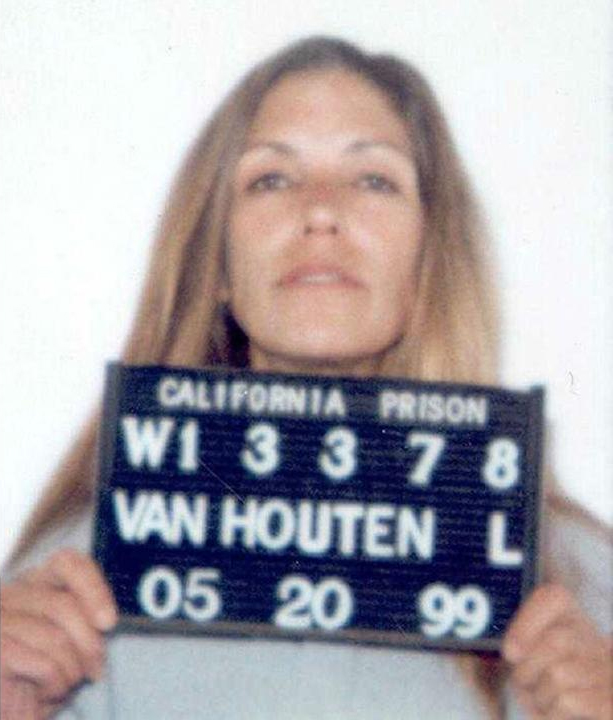
Mug shot of Leslie Van Houten
Manson Family members
Van Houten during trial

Leslie Van Houten - Primary image
Leslie Van Houten - Image 2

Leslie Van Houten - Image 3
Sources
Frequently Asked Questions
Table of Contents
Case Summary
Leslie Van Houten is an American convicted murderer who was a member of the Manson Family, a cult led by Charles Manson. Van Houten was involved in the murders of Leno and Rosemary LaBianca, a crime for which she was convicted. During her time with Manson's group, she was known by various aliases, including Louella Alexandria, Leslie Marie Sankston, Linda Sue Owens and Lulu.
August 23, 1949, Altadena, California, U.S.(Age: 77)
Case Details
Leslie Louise Van Houten, known by aliases such as Louella Alexandria, Leslie Marie Sankston, Linda Sue Owens, and Lulu, is an American convicted murderer and former member of the notorious Manson Family. Her involvement in one of America’s most shocking murder sprees, the Tate-LaBianca murders that sent shockwaves through Hollywood and across the nation, forever secured her place in the annals of American true crime.
Born on August 23, 1949, in Los Angeles, California, Van Houten was the second of four children. Her parents, Paul and Jane Van Houten, divorced when she was 14, triggering a rebellious streak in the teenager. She began experimenting with drugs, ran away to San Francisco's Haight-Ashbury district, a hub of the counterculture movement, and got pregnant, only to have her mother force her into having an abortion. These early formative years were tumultuous, setting the stage for the darkness to come.
In the late 1960s, Van Houten fell under the influence of Charles Manson, a charismatic ex-convict who had a knack for manipulating young, disaffected youth. Manson preached a bizarre doctrine of imminent apocalyptic race war, which he named "Helter Skelter," after the Beatles’ song. Manson's followers, known as the Manson Family, lived together in an abandoned movie ranch on the outskirts of Los Angeles, adhering to Manson's beliefs and commandments without question. It was in this environment that Van Houten, just 19 years old, was recruited into the Family.
On August 10, 1969, the day following the gruesome murders of actress Sharon Tate and four others at the hands of the Manson Family, Van Houten participated in what came to be known as the LaBianca murders. Leno and Rosemary LaBianca, a wealthy Los Angeles couple, were brutally murdered in their home. Van Houten, along with Manson Family members Charles "Tex" Watson and Patricia Krenwinkel, broke into the LaBianca residence, tied up the couple, and stabbed them multiple times. Van Houten admitted at her trial to stabbing Rosemary LaBianca 16 times after she was already dead.
The murders shocked the nation and marked the end of the freewheeling and idealistic 1960s. The Manson Family, including Van Houten, were arrested in October 1969 on suspicion of auto theft. It was only during their time in custody that their involvement in the Tate-LaBianca murders came to light.
The trial of the Manson Family began on June 15, 1970. The courtroom antics of Manson and his followers made headlines across the nation. The defendants, including Van Houten, often disrupted proceedings, singing, laughing, and even carving X's into their foreheads.
Van Houten's defense was that she was under the influence of both Manson and LSD at the time of the murders. However, the prosecution argued that Van Houten knew exactly what she was doing, and her participation in the murders was voluntary. On March 29, 1971, all the defendants were found guilty of first-degree murder and conspiracy to commit murder. Van Houten was sentenced to death, but her sentence was later commuted to life in prison after the California Supreme Court invalidated all death sentences prior to 1972.
Since her incarceration, Van Houten has made multiple attempts to secure parole. Over the years, she has expressed remorse for her actions and claims to have changed significantly since her time in the Manson Family. Despite this, her parole applications have been consistently denied. The most recent rejection came in 2020 when California Governor Gavin Newsom blocked her release, stating that she still poses an "unreasonable danger to society."
The case of Leslie Van Houten has garnered significant media attention, often used as a chilling reminder of the dark side of the 1960s counterculture. The Manson Family murders and subsequent trial were a media sensation, generating copious amounts of press coverage and public scrutiny. The brutality of the crimes, combined with the cult-like following of Charles Manson, has continued to captivate public interest and has been the subject of numerous documentaries, films, and books.
The cultural impact of the Manson Family and their crimes, including Van Houten's involvement, has been substantial. The case is often cited as an example of the potential dangers of charismatic leadership and groupthink. The Manson Family's manipulation and control over its members have also influenced the way society understands cult dynamics. The crimes have been referenced in various forms of media, including music, literature, and pop culture, highlighting the enduring fascination and horror surrounding the case.
Similarly, the case has influenced the legal system and public policy. The Manson Family's trial brought forward discussions about the insanity defense, the influence of drugs on criminal behavior, and the role of the media in high-profile cases. Furthermore, Van Houten's repeated parole denials have sparked debates about the purpose of incarceration, the possibility of rehabilitation, and the appropriate punishment for heinous crimes.
The story of Leslie Van Houten serves as a grim reminder of a time when the peace and love ethos of the 1960s gave way to a nightmarish reality. Her transformation from a middle-class, suburban teenager to a convicted murderer under the spell of a maniacal cult leader stands as a chilling testament to the power of manipulation and the capacity for evil.
Timeline
LaBianca Murders
Participated in the murders of Leno and Rosemary LaBianca.
Convicted of Murder
Convicted of first-degree murder and conspiracy to commit murder for her role in the LaBianca murders.
Crime Location
Photos
Mug shot of Leslie Van Houten
Manson Family members
Van Houten during trial
Leslie Van Houten - Primary image
Leslie Van Houten - Image 2
Leslie Van Houten - Image 3
Sources
Frequently Asked Questions
Related Cases
Convicted
Connection tags:
Convicted
Connection tags:
Convicted
Connection tags:
Convicted
Connection tags:
Convicted
Connection tags:
Accused
Connection tags:
Popular Culture
book (1974)
A true crime book about the Manson Family murders, including Van Houten's role.
TV movie (2016)
A dramatization of the Manson Family, featuring a character based on Van Houten.