Lizzie Andrew Borden

Case Summary
Lizzie Andrew Borden was an American woman who was the main suspect in the axe murders of her father and stepmother on August 4, 1892, in Fall River, Massachusetts. Despite being tried for the brutal crime, she was acquitted due to a lack of evidence. No one else was charged in the murders, and, despite ostracism from other residents, Borden spent the remainder of her life in Fall River.
July 19, 1860, Fall River, Massachusetts, United States(Age: 66)
June 1, 1927, Fall River, Massachusetts, U.S.
Related Cases

Convicted
Connection tags:

Convicted
Connection tags:

Convicted
Connection tags:

Alleged
Connection tags:

Convicted
Connection tags:

Convicted
Connection tags:
Case Details
In the annals of American crime, few cases have captured the public's fascination quite like the case of Lizzie Borden, an ordinary woman from Fall River, Massachusetts, whose name would become synonymous with a gruesome double murder. The mystery surrounding the brutal axe murders of her father and stepmother in their own home in broad daylight, for which Lizzie was tried and acquitted, has been the subject of endless speculation and debate over the past century.
Born on July 19, 1860, to Sarah Anthony Morse and Andrew Jackson Borden, Lizzie Andrew Borden was the youngest of the couple's three children. Her mother died when she was just two years old, and her father remarried Abby Durfee Gray three years later. Andrew Borden was a successful businessman, owning several properties and serving as president of a bank. Despite their wealth, the Borden family lived a relatively modest and frugal lifestyle.
Lizzie had a strained relationship with her stepmother, Abby, and her father, Andrew. She believed Abby married her father for his wealth. Andrew, despite his success, was known to be a tough and frugal man, which further fueled tension within the family. Lizzie and her older sister, Emma, rarely dined with their father and stepmother, and they even referred to Abby as "Mrs. Borden" rather than "Mother".
The morning of August 4, 1892, was an ordinary one in the Borden household until it was shattered by a horrific scene. Andrew Borden, returning from his morning walk, lay down on the sitting room couch for a nap. Lizzie, who was reportedly ironing clothes in the dining room, claimed to have discovered her father's mutilated body around 11:15 am. He had been struck repeatedly in the face with a sharp instrument, believed to be a hatchet.
Upon discovering her father's body, Lizzie sent the family's maid, Bridget Sullivan, to fetch a doctor. When they returned, they found a second body upstairs. Abby Borden had also been brutally murdered, her body discovered lying face down in the guest room. Like Andrew, she had been struck multiple times with a hatchet-like weapon.
The brutal nature of the murders sent shockwaves through the quiet town of Fall River. The police were quickly summoned, and they began their investigation into the shocking double homicide. Suspicion quickly fell on Lizzie. She was the only other person, aside from the maid, Bridget, known to be at the house at the time of the murders. Moreover, her lack of emotion and contradictory statements to the police raised eyebrows.
The investigators found no signs of a break-in, and nothing valuable was stolen from the Borden's residence. The murder weapon, a hatchet with a broken handle, was found in the basement. The police arrested Lizzie on August 11, charging her with the murders of her father and stepmother.
The trial of Lizzie Borden began on June 5, 1893, in New Bedford, Massachusetts. It drew national attention, with newspapers from around the country sending reporters to cover the proceedings. The prosecution presented a compelling case, pointing to Lizzie's inconsistent statements, her strained relationship with her parents, and the fact that she had tried to purchase prussic acid, a deadly poison, from a local pharmacy the day before the murders.
However, the defense was equally vigorous, arguing that there was no physical evidence linking Lizzie to the murders. No blood-stained clothing was found, and the hatchet presented as the murder weapon was clean. The defense also pointed out the lack of motive and the absence of a history of violence in Lizzie's past. After a trial that lasted 15 days, the jury took just 90 minutes to return a verdict of not guilty.
Despite her acquittal, Lizzie Borden was ostracized by the residents of Fall River. She lived the remainder of her life in the same town, along with her sister Emma. Lizzie died of pneumonia on June 1, 1927, at the age of 66, just days before the death of Emma.
The case of Lizzie Borden has been the subject of intense public scrutiny and media coverage since the very beginning. The gruesome nature of the crime, the suspect's social standing, and the lack of a definitive conclusion all contributed to its notoriety. The media's portrayal of Lizzie as a cold-blooded killer, regardless of her acquittal, cemented her place in the public consciousness.
The case has left an indelible mark on American culture, inspiring numerous books, films, and even a popular children's rhyme: "Lizzie Borden took an axe, and gave her mother forty whacks. When she saw what she had done, she gave her father forty-one." Despite the passage of over a century, the Borden murders remain one of the country's most infamous unsolved cases, a symbol of the enduring fascination with the darker side of human nature.
The legacy of the Lizzie Borden case extends beyond the realm of pop culture. It has been studied in law schools and criminology courses, highlighting the importance of physical evidence and the role of media in shaping public opinion. The case also underscores the enduring fascination with true crime, a genre that continues to captivate audiences worldwide.
To this day, the house in Fall River where the murders took place stands as a macabre tourist attraction, rechristened the Lizzie Borden Bed & Breakfast. It serves as a chilling reminder of the brutal crimes that occurred within its walls and the enduring mystery that surrounds them. Despite the passage of time, the question still lingers: did Lizzie Borden really take an axe to her father and stepmother on that fateful summer day in 1892? The world may never know.
Timeline
Murders of Andrew and Abby Borden
Andrew Borden and his wife Abby were found brutally murdered in their home. The prime suspect was Andrew's daughter, Lizzie.
Lizzie Borden Arrested
Lizzie Borden was arrested and charged with the murders of her father and stepmother.
Trial Begins
The trial of Lizzie Borden began.
Acquittal
Lizzie Borden was acquitted of the murders due to lack of evidence.
Death of Lizzie Borden
Lizzie Borden died of pneumonia in Fall River, Massachusetts.
Crime Location
Photos
Lizzie Borden's Mugshot
Borden Family Home
Lizzie Borden in Later Life

Lizzie Andrew Borden - Primary image

Lizzie Andrew Borden - Image 2

Lizzie Andrew Borden - Image 3

Lizzie Andrew Borden - Image 4
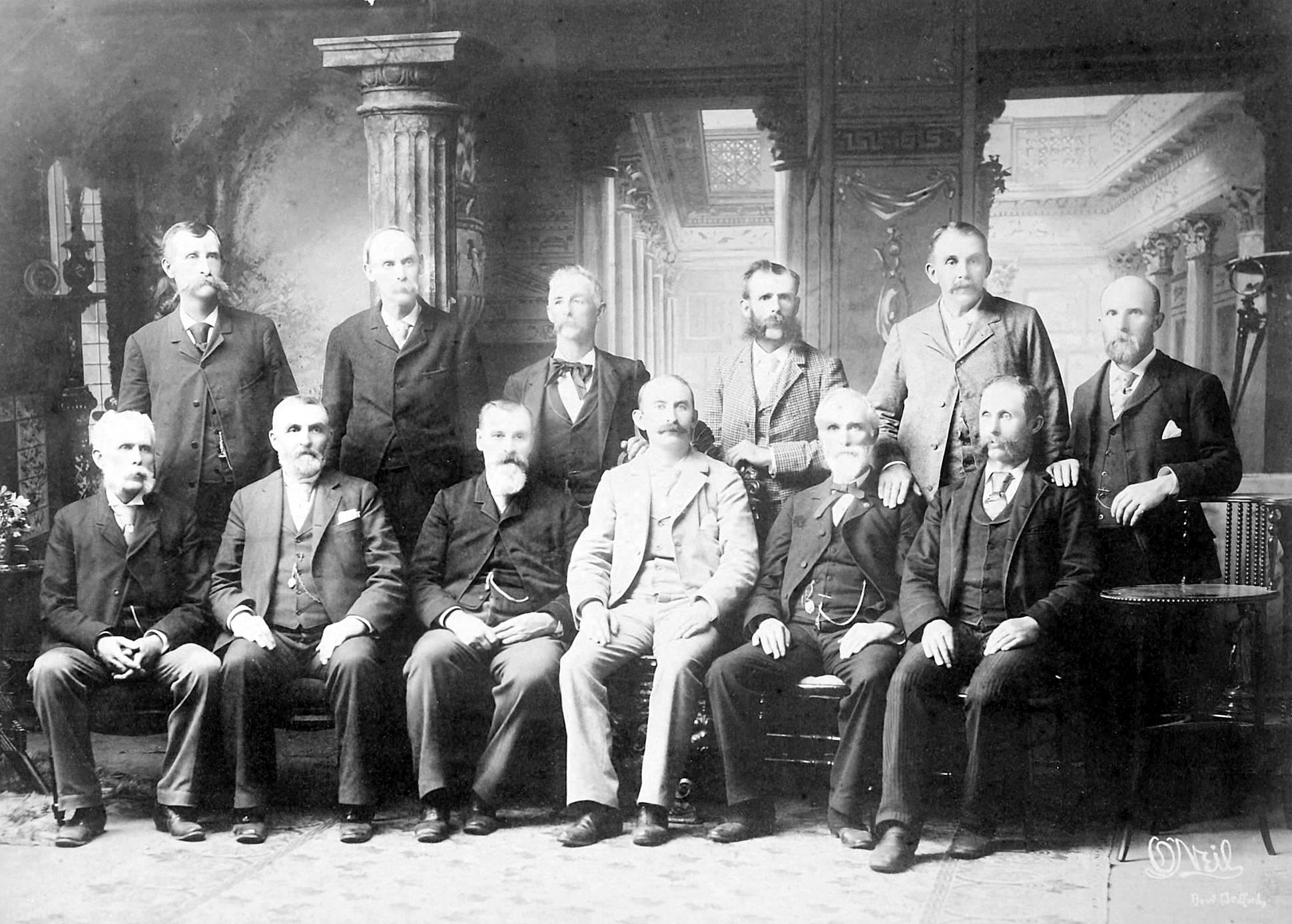
Lizzie Andrew Borden - Image 5
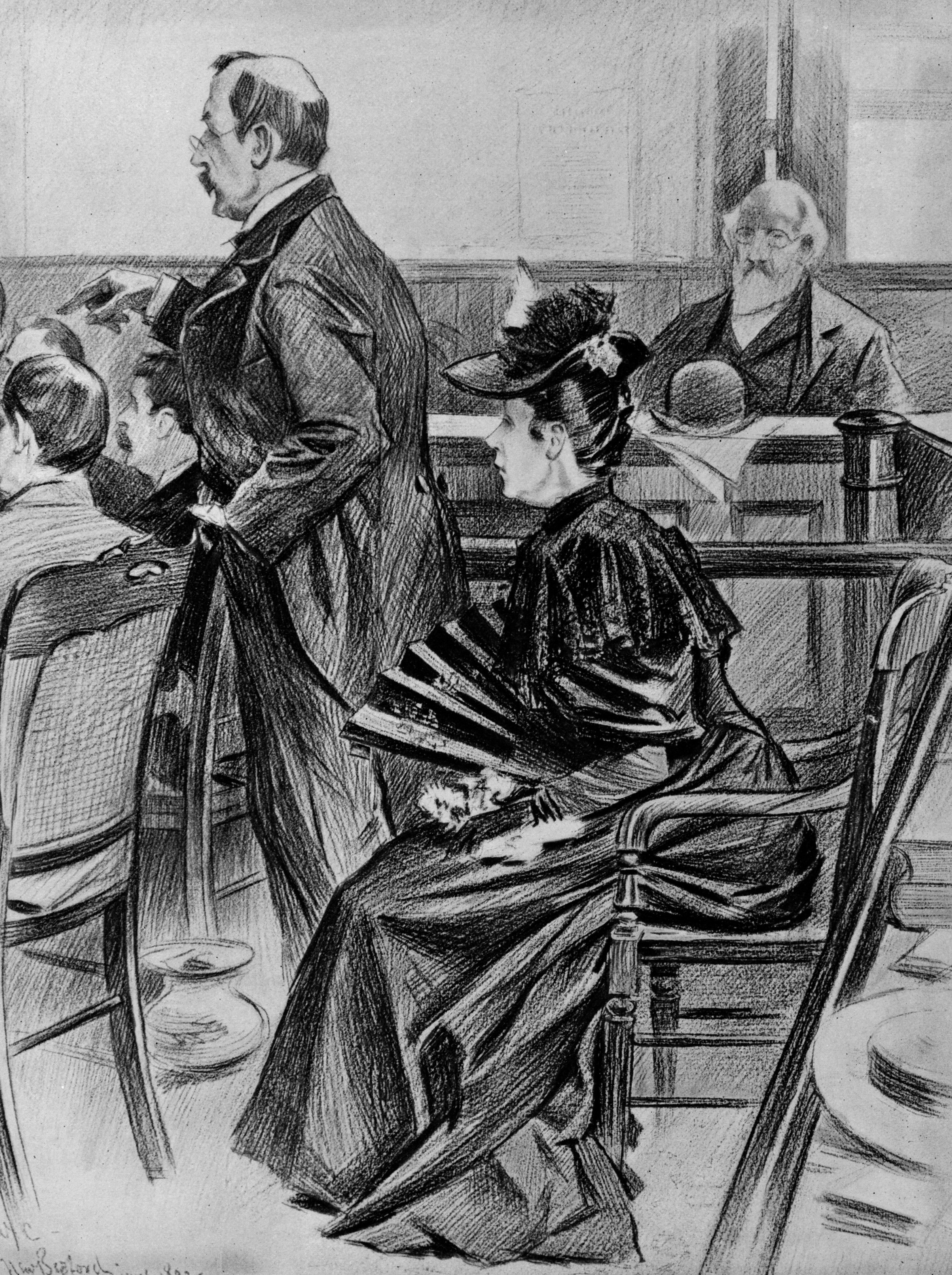
Lizzie Andrew Borden - Image 6

Lizzie Andrew Borden - Image 7
Sources
Frequently Asked Questions
Table of Contents
Case Summary
Lizzie Andrew Borden was an American woman who was the main suspect in the axe murders of her father and stepmother on August 4, 1892, in Fall River, Massachusetts. Despite being tried for the brutal crime, she was acquitted due to a lack of evidence. No one else was charged in the murders, and, despite ostracism from other residents, Borden spent the remainder of her life in Fall River.
July 19, 1860, Fall River, Massachusetts, United States(Age: 66)
June 1, 1927, Fall River, Massachusetts, U.S.
Case Details
In the annals of American crime, few cases have captured the public's fascination quite like the case of Lizzie Borden, an ordinary woman from Fall River, Massachusetts, whose name would become synonymous with a gruesome double murder. The mystery surrounding the brutal axe murders of her father and stepmother in their own home in broad daylight, for which Lizzie was tried and acquitted, has been the subject of endless speculation and debate over the past century.
Born on July 19, 1860, to Sarah Anthony Morse and Andrew Jackson Borden, Lizzie Andrew Borden was the youngest of the couple's three children. Her mother died when she was just two years old, and her father remarried Abby Durfee Gray three years later. Andrew Borden was a successful businessman, owning several properties and serving as president of a bank. Despite their wealth, the Borden family lived a relatively modest and frugal lifestyle.
Lizzie had a strained relationship with her stepmother, Abby, and her father, Andrew. She believed Abby married her father for his wealth. Andrew, despite his success, was known to be a tough and frugal man, which further fueled tension within the family. Lizzie and her older sister, Emma, rarely dined with their father and stepmother, and they even referred to Abby as "Mrs. Borden" rather than "Mother".
The morning of August 4, 1892, was an ordinary one in the Borden household until it was shattered by a horrific scene. Andrew Borden, returning from his morning walk, lay down on the sitting room couch for a nap. Lizzie, who was reportedly ironing clothes in the dining room, claimed to have discovered her father's mutilated body around 11:15 am. He had been struck repeatedly in the face with a sharp instrument, believed to be a hatchet.
Upon discovering her father's body, Lizzie sent the family's maid, Bridget Sullivan, to fetch a doctor. When they returned, they found a second body upstairs. Abby Borden had also been brutally murdered, her body discovered lying face down in the guest room. Like Andrew, she had been struck multiple times with a hatchet-like weapon.
The brutal nature of the murders sent shockwaves through the quiet town of Fall River. The police were quickly summoned, and they began their investigation into the shocking double homicide. Suspicion quickly fell on Lizzie. She was the only other person, aside from the maid, Bridget, known to be at the house at the time of the murders. Moreover, her lack of emotion and contradictory statements to the police raised eyebrows.
The investigators found no signs of a break-in, and nothing valuable was stolen from the Borden's residence. The murder weapon, a hatchet with a broken handle, was found in the basement. The police arrested Lizzie on August 11, charging her with the murders of her father and stepmother.
The trial of Lizzie Borden began on June 5, 1893, in New Bedford, Massachusetts. It drew national attention, with newspapers from around the country sending reporters to cover the proceedings. The prosecution presented a compelling case, pointing to Lizzie's inconsistent statements, her strained relationship with her parents, and the fact that she had tried to purchase prussic acid, a deadly poison, from a local pharmacy the day before the murders.
However, the defense was equally vigorous, arguing that there was no physical evidence linking Lizzie to the murders. No blood-stained clothing was found, and the hatchet presented as the murder weapon was clean. The defense also pointed out the lack of motive and the absence of a history of violence in Lizzie's past. After a trial that lasted 15 days, the jury took just 90 minutes to return a verdict of not guilty.
Despite her acquittal, Lizzie Borden was ostracized by the residents of Fall River. She lived the remainder of her life in the same town, along with her sister Emma. Lizzie died of pneumonia on June 1, 1927, at the age of 66, just days before the death of Emma.
The case of Lizzie Borden has been the subject of intense public scrutiny and media coverage since the very beginning. The gruesome nature of the crime, the suspect's social standing, and the lack of a definitive conclusion all contributed to its notoriety. The media's portrayal of Lizzie as a cold-blooded killer, regardless of her acquittal, cemented her place in the public consciousness.
The case has left an indelible mark on American culture, inspiring numerous books, films, and even a popular children's rhyme: "Lizzie Borden took an axe, and gave her mother forty whacks. When she saw what she had done, she gave her father forty-one." Despite the passage of over a century, the Borden murders remain one of the country's most infamous unsolved cases, a symbol of the enduring fascination with the darker side of human nature.
The legacy of the Lizzie Borden case extends beyond the realm of pop culture. It has been studied in law schools and criminology courses, highlighting the importance of physical evidence and the role of media in shaping public opinion. The case also underscores the enduring fascination with true crime, a genre that continues to captivate audiences worldwide.
To this day, the house in Fall River where the murders took place stands as a macabre tourist attraction, rechristened the Lizzie Borden Bed & Breakfast. It serves as a chilling reminder of the brutal crimes that occurred within its walls and the enduring mystery that surrounds them. Despite the passage of time, the question still lingers: did Lizzie Borden really take an axe to her father and stepmother on that fateful summer day in 1892? The world may never know.
Timeline
Murders of Andrew and Abby Borden
Andrew Borden and his wife Abby were found brutally murdered in their home. The prime suspect was Andrew's daughter, Lizzie.
Lizzie Borden Arrested
Lizzie Borden was arrested and charged with the murders of her father and stepmother.
Trial Begins
The trial of Lizzie Borden began.
Acquittal
Lizzie Borden was acquitted of the murders due to lack of evidence.
Death of Lizzie Borden
Lizzie Borden died of pneumonia in Fall River, Massachusetts.
Crime Location
Photos
Lizzie Borden's Mugshot
Borden Family Home
Lizzie Borden in Later Life
Lizzie Andrew Borden - Primary image
Lizzie Andrew Borden - Image 2
Lizzie Andrew Borden - Image 3
Lizzie Andrew Borden - Image 4
Lizzie Andrew Borden - Image 5
Lizzie Andrew Borden - Image 6
Lizzie Andrew Borden - Image 7
Sources
Frequently Asked Questions
Related Cases
Convicted
Connection tags:
Convicted
Connection tags:
Convicted
Connection tags:
Alleged
Connection tags:
Convicted
Connection tags:
Convicted
Connection tags:
Popular Culture
TV (2014)
A television movie about the life of Lizzie Borden and the trial for her parents' murders.
film (1975)
A historical mystery film that dramatizes the events leading up to the murders and the trial.
book (2017)
A novel that explores the Borden murders from the perspectives of Lizzie, her older sister Emma, the housemaid Bridget, and an imagined stranger.