Genene Anne Jones

Case Summary
Genene Anne Jones was a licensed vocational nurse who is responsible for the deaths of up to 60 infants and children during the 1970s and 1980s. She used injections of digoxin, heparin, and later succinylcholine to induce medical crises in her patients, leading to numerous fatalities. Convicted in 1984 for murder and injury to a child, the exact number of her victims remains uncertain due to missing and destroyed hospital records.
July 13, 1950, Texas, USA(Age: 76)
Related Cases
Convicted
Connection tags:

Convicted
Connection tags:

Convicted
Connection tags:

Convicted
Connection tags:
Convicted
Connection tags:

Convicted
Connection tags:
Case Details
In the annals of American crime, few figures are as chilling as Genene Jones, a seemingly ordinary nurse whose twisted actions led to the deaths of up to 60 infants and children. Dubbed a 'serial killer in white,' Jones committed her heinous crimes under the guise of caregiving during the 1970s and 1980s. Her weapon of choice: lethal injections of digoxin, heparin, and succinylcholine that triggered medical crises in her helpless, unsuspecting victims. The exact number of her victims remains a mystery, as hospital authorities allegedly misplaced and later destroyed records of Jones' activities, presumably to avoid further litigation upon her first conviction.
Born as Genene Anne Jones on July 13, 1950, in San Antonio, Texas, her early life was marked by instability. The product of a broken home, Jones was adopted by a local nightclub owner and his wife. As she grew older, her fascination with nursing, particularly pediatric nursing, became evident. Her friends and family would later recount that she had a strange obsession with medical emergencies and the power it conferred on the life-saver. Little did they know that this fascination would pave the way for a gruesome series of murders that would remain etched in the annals of American crime history.
Jones began her nursing career at the Bexar County Hospital in San Antonio, Texas, in the late 1970s. It was during her stint in the pediatric intensive care unit that the first signs of her deadly intent came to light. An unusually high number of infant deaths occurred during her shifts, a fact that did not go unnoticed by her colleagues. However, attributing these deaths to mere coincidence, the hospital authorities chose to transfer Jones to a clinic in Kerrville, Texas, instead of investigating further.
It was at this clinic that Jones' killing spree truly escalated. She continued her lethal pattern, and more children began to die under mysterious circumstances. It was only when an 18-month-old named Chelsea McClellan died shortly after receiving an injection from Jones that suspicions were aroused. An autopsy revealed lethal amounts of succinylcholine in the child's system, leading investigators towards a shocking revelation: a serial killer was hiding in plain sight, clad in the white uniform of a nurse.
Jones was arrested in 1984 and charged with Chelsea's murder. The trial that followed was one of the most sensational of its kind. The prosecution presented evidence of Jones' access to the drugs and her presence at each death, painting a picture of a woman who derived a perverse pleasure from inducing medical emergencies and watching the resulting chaos. Witnesses, including Jones' colleagues, testified about her obsession with emergencies and the power they bestowed upon the life-saver.
In 1984, Jones was convicted of murder and injury to a child. She was sentenced to 99 years in prison for Chelsea McClellan's death and a concurrent 60-year sentence for injury to another child who had survived. The chilling fact emerged that had the authorities acted sooner, many innocent lives could have been spared.
The aftermath of the trial saw a public outcry for better regulations in the healthcare sector. The media extensively covered the case, with headlines screaming about the 'Killer Nurse' and 'Angel of Death.' People struggled to comprehend how a woman entrusted with the care of the most vulnerable could commit such heinous crimes.
Jones' case also inspired several literary and cinematic works. Peter Elkind's book, 'The Death Shift,' offers an in-depth investigation of the case, while the movie 'Fatal Vision' is loosely based on Jones' crimes. Her actions also led to significant changes in nursing practices, with hospitals implementing stricter control over access to drugs, tighter surveillance, and improved reporting of unusual patient outcomes.
Today, the Genene Jones case remains one of the most horrifying examples of medical malpractice and abuse of trust. Jones, now in her 70s, continues to serve her sentence. However, in a twist that sent shockwaves through the community, Jones was set to be released in March 2018 due to an old Texas law designed to prevent prison overcrowding. The public outcry was immediate and intense. In response, prosecutors in San Antonio reopened the cases of five children who died under Jones' care and charged her with their murders. In 2020, Jones pleaded guilty to the murder of Joshua Sawyer in 1981, thus securing her continued incarceration.
The case of Genene Jones serves as a chilling reminder of the potential for evil that can lurk behind the most ordinary of facades. It highlights the importance of vigilance, accountability, and robust systems of check and balance in healthcare settings. While nothing can bring back the innocent lives lost, the lessons learned from this dark chapter in medical history can hopefully prevent any recurrence of such atrocities.
Timeline
Started nursing career
Jones began her career as a licensed vocational nurse.
First suspected murders
Jones began her spree of child and infant murders.
Convicted of murder
Jones was convicted of murder and injury to a child.
Crime Location
Photos
Genene Jones in her nurse uniform
Genene Jones' mugshot
The hospital where Jones worked
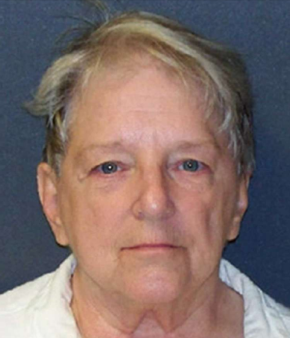
Genene Jones - Primary image
Sources
Frequently Asked Questions
Table of Contents
Case Summary
Genene Anne Jones was a licensed vocational nurse who is responsible for the deaths of up to 60 infants and children during the 1970s and 1980s. She used injections of digoxin, heparin, and later succinylcholine to induce medical crises in her patients, leading to numerous fatalities. Convicted in 1984 for murder and injury to a child, the exact number of her victims remains uncertain due to missing and destroyed hospital records.
July 13, 1950, Texas, USA(Age: 76)
Case Details
In the annals of American crime, few figures are as chilling as Genene Jones, a seemingly ordinary nurse whose twisted actions led to the deaths of up to 60 infants and children. Dubbed a 'serial killer in white,' Jones committed her heinous crimes under the guise of caregiving during the 1970s and 1980s. Her weapon of choice: lethal injections of digoxin, heparin, and succinylcholine that triggered medical crises in her helpless, unsuspecting victims. The exact number of her victims remains a mystery, as hospital authorities allegedly misplaced and later destroyed records of Jones' activities, presumably to avoid further litigation upon her first conviction.
Born as Genene Anne Jones on July 13, 1950, in San Antonio, Texas, her early life was marked by instability. The product of a broken home, Jones was adopted by a local nightclub owner and his wife. As she grew older, her fascination with nursing, particularly pediatric nursing, became evident. Her friends and family would later recount that she had a strange obsession with medical emergencies and the power it conferred on the life-saver. Little did they know that this fascination would pave the way for a gruesome series of murders that would remain etched in the annals of American crime history.
Jones began her nursing career at the Bexar County Hospital in San Antonio, Texas, in the late 1970s. It was during her stint in the pediatric intensive care unit that the first signs of her deadly intent came to light. An unusually high number of infant deaths occurred during her shifts, a fact that did not go unnoticed by her colleagues. However, attributing these deaths to mere coincidence, the hospital authorities chose to transfer Jones to a clinic in Kerrville, Texas, instead of investigating further.
It was at this clinic that Jones' killing spree truly escalated. She continued her lethal pattern, and more children began to die under mysterious circumstances. It was only when an 18-month-old named Chelsea McClellan died shortly after receiving an injection from Jones that suspicions were aroused. An autopsy revealed lethal amounts of succinylcholine in the child's system, leading investigators towards a shocking revelation: a serial killer was hiding in plain sight, clad in the white uniform of a nurse.
Jones was arrested in 1984 and charged with Chelsea's murder. The trial that followed was one of the most sensational of its kind. The prosecution presented evidence of Jones' access to the drugs and her presence at each death, painting a picture of a woman who derived a perverse pleasure from inducing medical emergencies and watching the resulting chaos. Witnesses, including Jones' colleagues, testified about her obsession with emergencies and the power they bestowed upon the life-saver.
In 1984, Jones was convicted of murder and injury to a child. She was sentenced to 99 years in prison for Chelsea McClellan's death and a concurrent 60-year sentence for injury to another child who had survived. The chilling fact emerged that had the authorities acted sooner, many innocent lives could have been spared.
The aftermath of the trial saw a public outcry for better regulations in the healthcare sector. The media extensively covered the case, with headlines screaming about the 'Killer Nurse' and 'Angel of Death.' People struggled to comprehend how a woman entrusted with the care of the most vulnerable could commit such heinous crimes.
Jones' case also inspired several literary and cinematic works. Peter Elkind's book, 'The Death Shift,' offers an in-depth investigation of the case, while the movie 'Fatal Vision' is loosely based on Jones' crimes. Her actions also led to significant changes in nursing practices, with hospitals implementing stricter control over access to drugs, tighter surveillance, and improved reporting of unusual patient outcomes.
Today, the Genene Jones case remains one of the most horrifying examples of medical malpractice and abuse of trust. Jones, now in her 70s, continues to serve her sentence. However, in a twist that sent shockwaves through the community, Jones was set to be released in March 2018 due to an old Texas law designed to prevent prison overcrowding. The public outcry was immediate and intense. In response, prosecutors in San Antonio reopened the cases of five children who died under Jones' care and charged her with their murders. In 2020, Jones pleaded guilty to the murder of Joshua Sawyer in 1981, thus securing her continued incarceration.
The case of Genene Jones serves as a chilling reminder of the potential for evil that can lurk behind the most ordinary of facades. It highlights the importance of vigilance, accountability, and robust systems of check and balance in healthcare settings. While nothing can bring back the innocent lives lost, the lessons learned from this dark chapter in medical history can hopefully prevent any recurrence of such atrocities.
Timeline
Started nursing career
Jones began her career as a licensed vocational nurse.
First suspected murders
Jones began her spree of child and infant murders.
Convicted of murder
Jones was convicted of murder and injury to a child.
Crime Location
Photos
Genene Jones in her nurse uniform
Genene Jones' mugshot
The hospital where Jones worked
Genene Jones - Primary image
Sources
Frequently Asked Questions
Related Cases
Convicted
Connection tags:
Convicted
Connection tags:
Convicted
Connection tags:
Convicted
Connection tags:
Convicted
Connection tags:
Convicted
Connection tags:
Popular Culture
book (1989)
A true crime book by Peter Elkind that tells the story of Genene Jones and her crimes.
TV Movie (1991)
A TV movie adaptation of the book 'The Death Shift', portraying the crimes of Genene Jones.