Mary Frith

Case Summary
Mary Frith, also known as Moll Cutpurse, was a notorious English pickpocket and fence operating in the London underworld during the late 16th and early 17th centuries. Her criminal activities primarily involved theft, fencing stolen goods, and occasional highway robbery. She was a well-known figure in London, recognized for her unconventional behavior, including wearing male attire and smoking, both of which were highly unusual for women during the period.
Unknown, London, England
July 26, 1659, Fleet Street, London, England
Related Cases

Convicted
Connection tags:

Convicted
Connection tags:
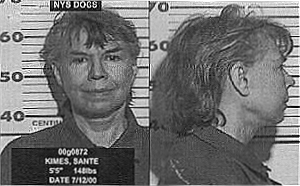
Convicted
Connection tags:
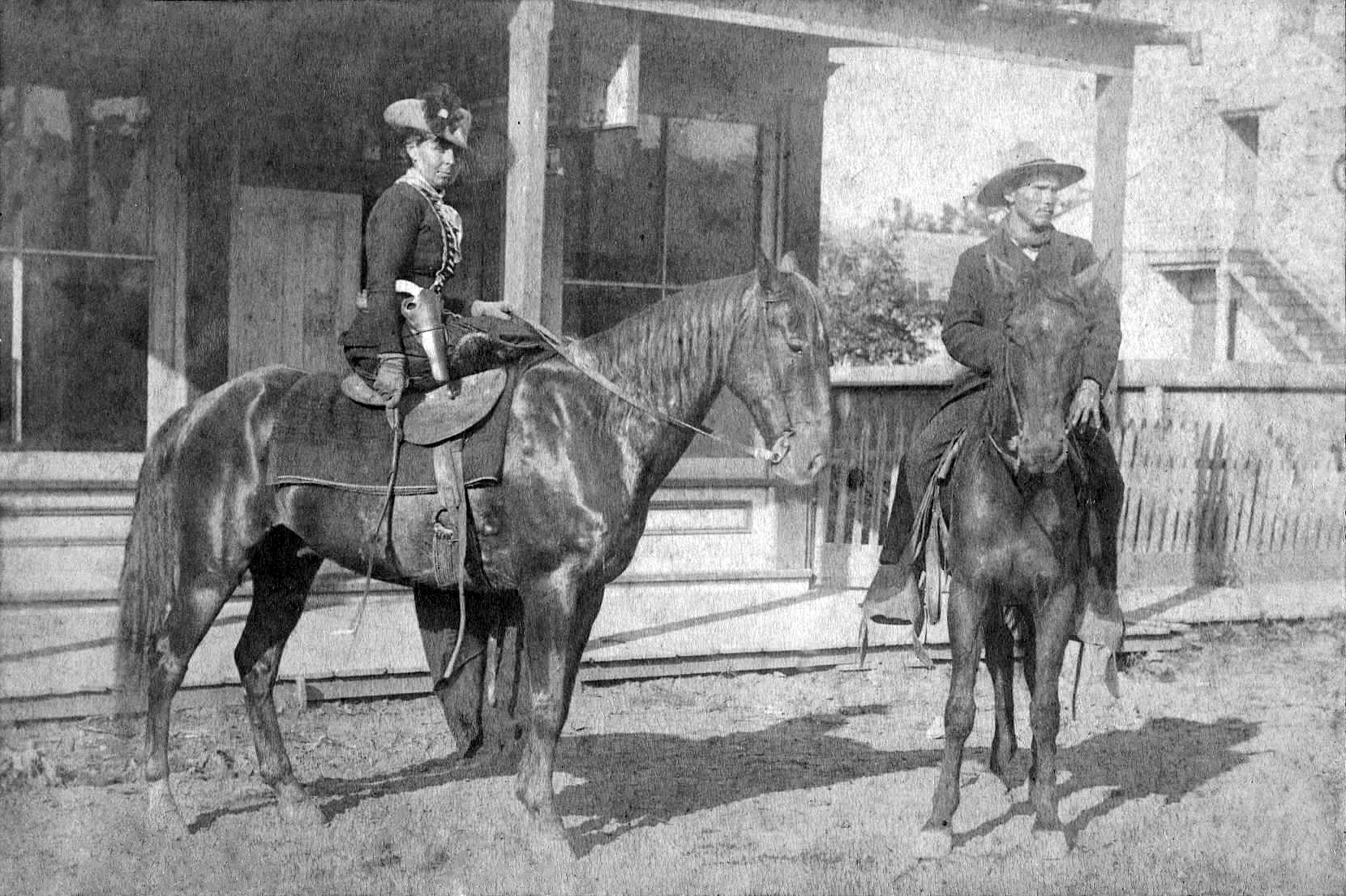
Convicted
Connection tags:

Convicted
Connection tags:

Convicted
Connection tags:
Case Details
In the annals of true crime, the name Mary Frith, better known as Moll Cutpurse, stands out as a bold testament to the audacious spirit of criminality. Born around 1584, Frith was a notorious figure in the London underworld, known for her talent as a pickpocket and fence. Her life, characterized by brazen disregard for societal norms and a cunning ability to play the system, has been the subject of fascination and debate for centuries.
Mary Frith was born into a relatively comfortable family in the heart of London. However, her rebellious spirit emerged early, and she was known for rejecting the traditional roles and expectations of women at the time. From a young age, she demonstrated an aversion to domesticity, preferring instead the thrill of the streets. Her rejection of societal norms extended to her dress; she was known for wearing masculine attire, which was highly unusual and controversial in the 17th century.
Her criminal career began in earnest in her late teens. She started as a pickpocket, capitalizing on the crowded streets of London to relieve unsuspecting victims of their valuables. Frith was particularly skilled at this craft, her nimble fingers and sharp eyes allowing her to easily blend in and escape notice.
As she grew older, Frith expanded her criminal activities to include fencing, acting as a middleman for stolen goods. She had a keen eye for value and was able to make a substantial profit from buying stolen items at a low price and reselling them. Her reputation grew, and she became a central figure in the London underworld. She was known as Moll Cutpurse, a nickname that reflected both her criminal activities and her unconventional lifestyle.
Frith's audacity did not go unnoticed by the authorities. In 1600, she was arrested for theft. However, she managed to escape conviction by employing a mix of charm, wit, and bribery. This pattern of evading justice would continue throughout her life. Despite her numerous run-ins with the law, she managed to avoid serious punishment, serving only short stints in prison.
In 1612, Frith was charged with dressing in men's clothing, a crime at the time known as "the unnatural vice." The authorities took this violation of societal norms very seriously, and she was publicly humiliated on the stage of the Fortune Theatre. However, in true Frith fashion, she turned the situation to her advantage. Rather than being shamed, she reveled in the attention, using the opportunity to promote her criminal enterprises.
Despite her criminal activities, Frith was not without a sense of civic duty. During the outbreak of the Plague in 1625, she reportedly stayed in London, offering financial aid to those affected. This act of generosity did not save her from further legal troubles, though. In 1632, she was once again arrested, this time for stealing two purses. However, she once again managed to escape severe punishment, using her connections and charm to secure a light sentence.
In the following years, Frith continued her criminal activities, seemingly undeterred by her brushes with the law. However, her lifestyle began to take a toll on her health. In 1659, she passed away, leaving behind a legacy that continues to intrigue and confound historians and true crime enthusiasts alike.
Public reaction to Frith was mixed. Many saw her as a criminal, a disruptive element in society that needed to be curbed. However, others admired her audacity and defiance of societal norms. She became a folk hero of sorts, her exploits celebrated in songs and plays. Even today, she is often portrayed as a feminist icon, a woman who dared to live on her own terms in a time when women's roles were strictly defined.
Media coverage of Frith's life and crimes has been extensive. She has been the subject of numerous books and articles, her life immortalized in the biographical play "The Roaring Girl" by Thomas Middleton and Thomas Dekker. Despite the passage of time, interest in her life remains high. Her story continues to resonate, offering a fascinating glimpse into the underbelly of 17th-century London.
The cultural impact of Mary Frith is considerable. Her life is a testament to the power of individuality and the human spirit's ability to defy societal norms. She has been compared to other notable female criminals like Bonnie Parker of the infamous Bonnie and Clyde duo, highlighting the enduring fascination with women who challenge the status quo through criminal activity.
In conclusion, the case of Mary Frith, alias Moll Cutpurse, is a captivating blend of audacity, criminality, and defiance. She was a woman who challenged the societal norms of her time, carving out a niche for herself in the London underworld. Despite her criminal activities, she managed to evade severe punishment, using her wit and charm to navigate the murky waters of the legal system. Her story continues to captivate audiences, serving as a testament to the power of individuality and the allure of the criminal underworld.
Timeline
Start of Criminal Activities
Mary Frith begins her career in crime, primarily as a pickpocket and fence.
First Known Conviction
Frith is convicted and sentenced for her criminal activities.
Death
Mary Frith dies, marking the end of her notorious criminal career.
Crime Location
Photos
Mary Frith in Male Attire
London in the 17th Century
Portrait of Mary Frith

Mary Frith - Primary image

Mary Frith - Image 2
Sources
Frequently Asked Questions
Table of Contents
Case Summary
Mary Frith, also known as Moll Cutpurse, was a notorious English pickpocket and fence operating in the London underworld during the late 16th and early 17th centuries. Her criminal activities primarily involved theft, fencing stolen goods, and occasional highway robbery. She was a well-known figure in London, recognized for her unconventional behavior, including wearing male attire and smoking, both of which were highly unusual for women during the period.
Unknown, London, England
July 26, 1659, Fleet Street, London, England
Case Details
In the annals of true crime, the name Mary Frith, better known as Moll Cutpurse, stands out as a bold testament to the audacious spirit of criminality. Born around 1584, Frith was a notorious figure in the London underworld, known for her talent as a pickpocket and fence. Her life, characterized by brazen disregard for societal norms and a cunning ability to play the system, has been the subject of fascination and debate for centuries.
Mary Frith was born into a relatively comfortable family in the heart of London. However, her rebellious spirit emerged early, and she was known for rejecting the traditional roles and expectations of women at the time. From a young age, she demonstrated an aversion to domesticity, preferring instead the thrill of the streets. Her rejection of societal norms extended to her dress; she was known for wearing masculine attire, which was highly unusual and controversial in the 17th century.
Her criminal career began in earnest in her late teens. She started as a pickpocket, capitalizing on the crowded streets of London to relieve unsuspecting victims of their valuables. Frith was particularly skilled at this craft, her nimble fingers and sharp eyes allowing her to easily blend in and escape notice.
As she grew older, Frith expanded her criminal activities to include fencing, acting as a middleman for stolen goods. She had a keen eye for value and was able to make a substantial profit from buying stolen items at a low price and reselling them. Her reputation grew, and she became a central figure in the London underworld. She was known as Moll Cutpurse, a nickname that reflected both her criminal activities and her unconventional lifestyle.
Frith's audacity did not go unnoticed by the authorities. In 1600, she was arrested for theft. However, she managed to escape conviction by employing a mix of charm, wit, and bribery. This pattern of evading justice would continue throughout her life. Despite her numerous run-ins with the law, she managed to avoid serious punishment, serving only short stints in prison.
In 1612, Frith was charged with dressing in men's clothing, a crime at the time known as "the unnatural vice." The authorities took this violation of societal norms very seriously, and she was publicly humiliated on the stage of the Fortune Theatre. However, in true Frith fashion, she turned the situation to her advantage. Rather than being shamed, she reveled in the attention, using the opportunity to promote her criminal enterprises.
Despite her criminal activities, Frith was not without a sense of civic duty. During the outbreak of the Plague in 1625, she reportedly stayed in London, offering financial aid to those affected. This act of generosity did not save her from further legal troubles, though. In 1632, she was once again arrested, this time for stealing two purses. However, she once again managed to escape severe punishment, using her connections and charm to secure a light sentence.
In the following years, Frith continued her criminal activities, seemingly undeterred by her brushes with the law. However, her lifestyle began to take a toll on her health. In 1659, she passed away, leaving behind a legacy that continues to intrigue and confound historians and true crime enthusiasts alike.
Public reaction to Frith was mixed. Many saw her as a criminal, a disruptive element in society that needed to be curbed. However, others admired her audacity and defiance of societal norms. She became a folk hero of sorts, her exploits celebrated in songs and plays. Even today, she is often portrayed as a feminist icon, a woman who dared to live on her own terms in a time when women's roles were strictly defined.
Media coverage of Frith's life and crimes has been extensive. She has been the subject of numerous books and articles, her life immortalized in the biographical play "The Roaring Girl" by Thomas Middleton and Thomas Dekker. Despite the passage of time, interest in her life remains high. Her story continues to resonate, offering a fascinating glimpse into the underbelly of 17th-century London.
The cultural impact of Mary Frith is considerable. Her life is a testament to the power of individuality and the human spirit's ability to defy societal norms. She has been compared to other notable female criminals like Bonnie Parker of the infamous Bonnie and Clyde duo, highlighting the enduring fascination with women who challenge the status quo through criminal activity.
In conclusion, the case of Mary Frith, alias Moll Cutpurse, is a captivating blend of audacity, criminality, and defiance. She was a woman who challenged the societal norms of her time, carving out a niche for herself in the London underworld. Despite her criminal activities, she managed to evade severe punishment, using her wit and charm to navigate the murky waters of the legal system. Her story continues to captivate audiences, serving as a testament to the power of individuality and the allure of the criminal underworld.
Timeline
Start of Criminal Activities
Mary Frith begins her career in crime, primarily as a pickpocket and fence.
First Known Conviction
Frith is convicted and sentenced for her criminal activities.
Death
Mary Frith dies, marking the end of her notorious criminal career.
Crime Location
Photos
Mary Frith in Male Attire
London in the 17th Century
Portrait of Mary Frith
Mary Frith - Primary image
Mary Frith - Image 2
Sources
Frequently Asked Questions
Related Cases
Convicted
Connection tags:
Convicted
Connection tags:
Convicted
Connection tags:
Convicted
Connection tags:
Convicted
Connection tags:
Convicted
Connection tags:
Popular Culture
play (1611)
A play by Thomas Dekker and Thomas Middleton, loosely based on the life of Mary Frith.