Pauline Nyiramasuhuko
Case Summary
Pauline Nyiramasuhuko was a Rwandan politician who served as the Minister for Family Welfare and the Advancement of Women. She was tried and convicted by the International Criminal Tribunal for Rwanda (ICTR) for inciting troops and militia to carry out rape during the 1994 Rwandan genocide. This makes her the first woman to be convicted of genocide by the ICTR and the first woman ever to be convicted of genocidal rape. In June 2011, she was sentenced to life imprisonment on seven charges.
April 1, 1946, Ndora, Rwanda(Age: 80)
Related Cases

Convicted
Connection tags:
Convicted
Connection tags:

Convicted
Connection tags:

Convicted
Connection tags:

Convicted
Connection tags:

Convicted
Connection tags:
Case Details
In the annals of true crime, there are cases that, while horrific, serve as grim reminders of humanity's capacity for violence and cruelty. One such case is that of Pauline Nyiramasuhuko, a Rwandan politician convicted of inciting rape and genocide during the Rwandan genocide of 1994. Nyiramasuhuko's conviction is significant, as she was the first woman to be convicted of genocide by the International Criminal Tribunal for Rwanda (ICTR) and the first woman convicted of genocidal rape. This story is not only a tale of unimaginable atrocities but also a stark warning of the depths to which individuals can sink in the name of power and ideology.
Born in 1946 in the Southern Province of Rwanda, Nyiramasuhuko was the daughter of a farmer. She rose from her humble beginnings to become the Minister for Family Welfare and the Advancement of Women. This position, one might assume, would be dedicated to the protection and development of women and families. However, during the gruesome events of the Rwandan genocide, she was accused of using her power not to protect, but to incite violence and sexual assault against Tutsi women.
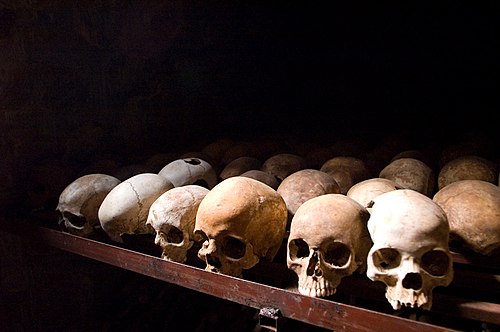
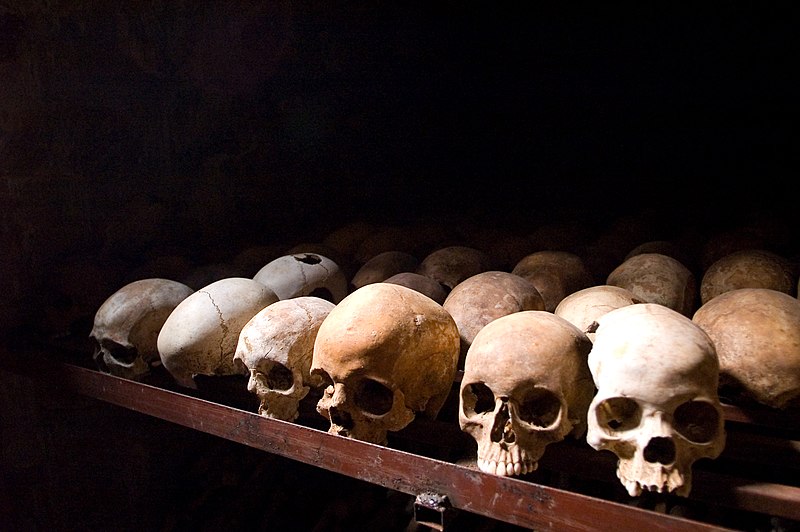
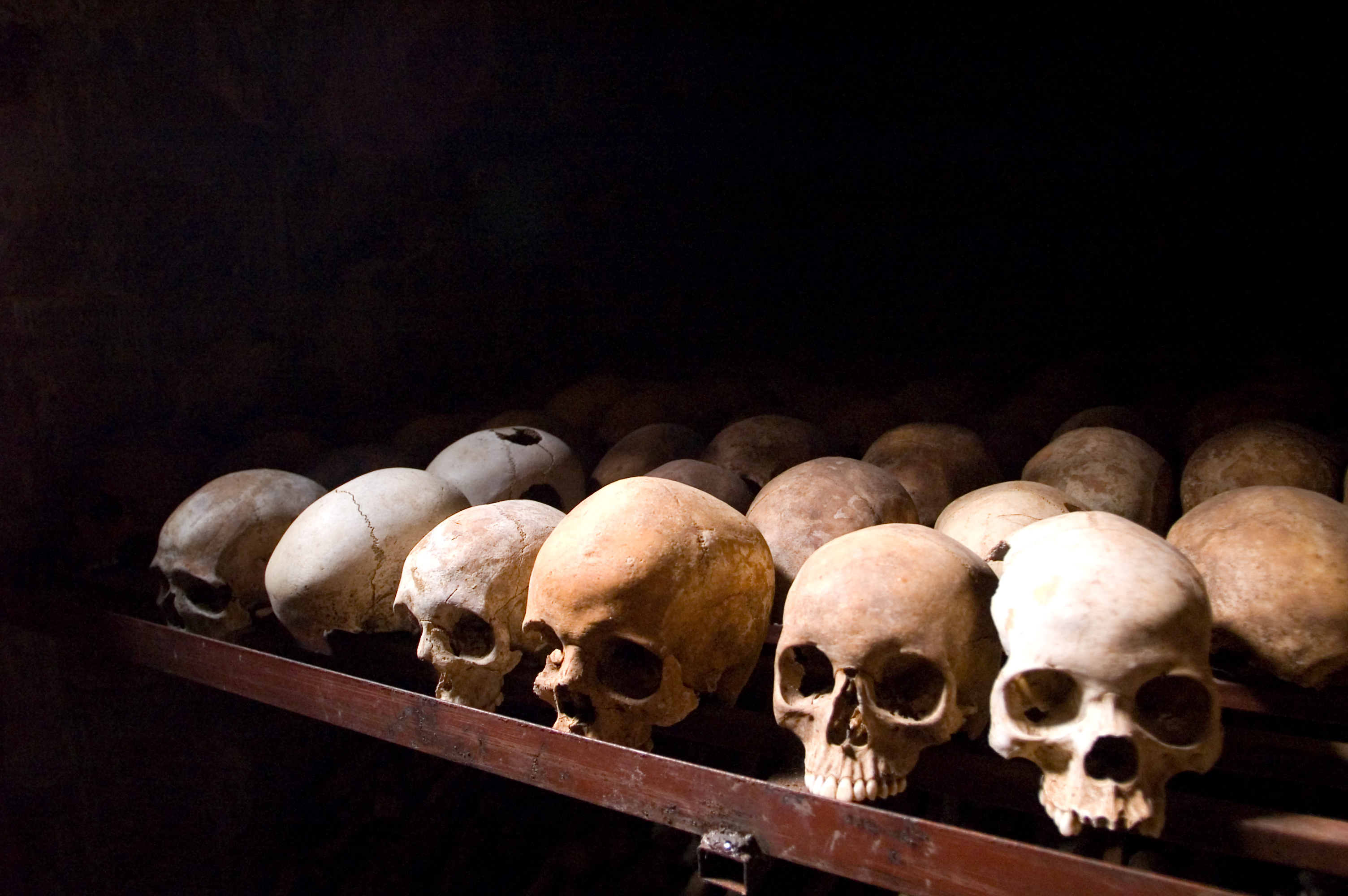
The Rwandan genocide, a horrifying event that took place over approximately 100 days in 1994, resulted in the deaths of an estimated 800,000 to 1 million Tutsis and moderate Hutus. Amidst the mass slaughter, sexual violence was widespread, with estimates suggesting between 250,000 and 500,000 women were raped. It was during this time that Nyiramasuhuko, a Hutu herself, allegedly ordered militias to rape Tutsi women in the Butare region, where she had jurisdiction.
The evidence against Nyiramasuhuko began to mount in the wake of the genocide. Witnesses came forward with testimonies, recounting the horrific abuses that they had suffered or witnessed. In their accounts, Nyiramasuhuko's name was repeatedly implicated. Some testified that she had personally ordered the rapes, while others claimed that she had been present during the assaults, encouraging the perpetrators and even selecting victims.
The sheer volume and consistency of these accusations led to Nyiramasuhuko's arrest in 1997 in Nairobi, Kenya. She was subsequently transferred to Arusha, Tanzania, where the ICTR was located. Along with her son, Arsene Ntahobali, and other high-ranking officials, she was put on trial as part of the "Butare Group."
The trial proved to be a lengthy and complex process. The prosecution presented a wealth of witness testimonies, but the defense argued that these accounts were inconsistent and unreliable. They claimed that Nyiramasuhuko was a victim of political scapegoating, targeted because of her prominent position in the Hutu-led government. Despite the defense's efforts, the evidence against Nyiramasuhuko and her co-accused was overwhelming.
In June 2011, after a trial spanning 10 years, the ICTR handed down its verdict. Nyiramasuhuko was convicted on seven charges, including genocide, conspiracy to commit genocide, crimes against humanity for extermination, rape, persecution, and other inhumane acts. She was sentenced to life imprisonment, making her the first woman to be convicted of genocide and genocidal rape.
The verdict was met with mixed reactions. For many, it was a long-awaited moment of justice, a recognition of the horrific crimes that had been committed and a validation of the survivors' experiences. However, others saw it as a hollow victory, claiming that the ICTR had failed to prosecute other high-ranking officials who had also played a role in the genocide. There were also those who questioned the efficacy of the ICTR itself, arguing that its proceedings were too slow and its reach too limited.
Regardless of these criticisms, the case of Pauline Nyiramasuhuko remains a landmark in international criminal justice. It was one of the first times that sexual violence was recognized and prosecuted as a weapon of war and genocide. It highlighted the role that women, too, can play in perpetrating such atrocities, shattering the stereotype of women as passive bystanders or victims in times of conflict.
The media coverage of Nyiramasuhuko's trial and conviction was extensive, with journalists from around the globe following the proceedings. However, the coverage was not without controversy. Critics argued that the media often portrayed Nyiramasuhuko in a sensationalistic manner, focusing on her gender and her alleged crimes rather than the complex political and social dynamics at play.
The cultural impact of Nyiramasuhuko's case is substantial. It served as a wake-up call to the international community, highlighting the need for more effective mechanisms to prevent and prosecute sexual violence in conflict. It also sparked numerous academic studies and debates, particularly within the fields of gender studies and international law, on the role of women in conflict and the use of sexual violence as a weapon of war.
Today, Nyiramasuhuko remains in prison, her conviction standing as a stark warning of the consequences of such brutal crimes. Her case serves as a grim reminder of the depths to which humanity can sink in times of conflict. However, it also stands as a testament to the resilience of survivors, the pursuit of justice, and the ongoing struggle to prevent such atrocities from occurring in the future.
Timeline
Start of Rwandan genocide
The Rwandan genocide begins, during which Pauline Nyiramasuhuko incites troops and militia to carry out rape.
Arrest
Nyiramasuhuko is arrested in Nairobi, Kenya.
Trial begins
Nyiramasuhuko's trial begins at the International Criminal Tribunal for Rwanda (ICTR).
Conviction
Nyiramasuhuko is convicted of genocide and genocidal rape by the ICTR.
Sentencing
Nyiramasuhuko is sentenced to life imprisonment.
Crime Location
Photos
Pauline Nyiramasuhuko during her trial
Rwandan genocide
ICTR in Arusha, Tanzania
Pauline Nyiramasuhuko - Primary image
Pauline Nyiramasuhuko - Image 2
Frequently Asked Questions
Table of Contents
Case Summary
Pauline Nyiramasuhuko was a Rwandan politician who served as the Minister for Family Welfare and the Advancement of Women. She was tried and convicted by the International Criminal Tribunal for Rwanda (ICTR) for inciting troops and militia to carry out rape during the 1994 Rwandan genocide. This makes her the first woman to be convicted of genocide by the ICTR and the first woman ever to be convicted of genocidal rape. In June 2011, she was sentenced to life imprisonment on seven charges.
April 1, 1946, Ndora, Rwanda(Age: 80)
Case Details
In the annals of true crime, there are cases that, while horrific, serve as grim reminders of humanity's capacity for violence and cruelty. One such case is that of Pauline Nyiramasuhuko, a Rwandan politician convicted of inciting rape and genocide during the Rwandan genocide of 1994. Nyiramasuhuko's conviction is significant, as she was the first woman to be convicted of genocide by the International Criminal Tribunal for Rwanda (ICTR) and the first woman convicted of genocidal rape. This story is not only a tale of unimaginable atrocities but also a stark warning of the depths to which individuals can sink in the name of power and ideology.
Born in 1946 in the Southern Province of Rwanda, Nyiramasuhuko was the daughter of a farmer. She rose from her humble beginnings to become the Minister for Family Welfare and the Advancement of Women. This position, one might assume, would be dedicated to the protection and development of women and families. However, during the gruesome events of the Rwandan genocide, she was accused of using her power not to protect, but to incite violence and sexual assault against Tutsi women.
The Rwandan genocide, a horrifying event that took place over approximately 100 days in 1994, resulted in the deaths of an estimated 800,000 to 1 million Tutsis and moderate Hutus. Amidst the mass slaughter, sexual violence was widespread, with estimates suggesting between 250,000 and 500,000 women were raped. It was during this time that Nyiramasuhuko, a Hutu herself, allegedly ordered militias to rape Tutsi women in the Butare region, where she had jurisdiction.
The evidence against Nyiramasuhuko began to mount in the wake of the genocide. Witnesses came forward with testimonies, recounting the horrific abuses that they had suffered or witnessed. In their accounts, Nyiramasuhuko's name was repeatedly implicated. Some testified that she had personally ordered the rapes, while others claimed that she had been present during the assaults, encouraging the perpetrators and even selecting victims.
The sheer volume and consistency of these accusations led to Nyiramasuhuko's arrest in 1997 in Nairobi, Kenya. She was subsequently transferred to Arusha, Tanzania, where the ICTR was located. Along with her son, Arsene Ntahobali, and other high-ranking officials, she was put on trial as part of the "Butare Group."
The trial proved to be a lengthy and complex process. The prosecution presented a wealth of witness testimonies, but the defense argued that these accounts were inconsistent and unreliable. They claimed that Nyiramasuhuko was a victim of political scapegoating, targeted because of her prominent position in the Hutu-led government. Despite the defense's efforts, the evidence against Nyiramasuhuko and her co-accused was overwhelming.
In June 2011, after a trial spanning 10 years, the ICTR handed down its verdict. Nyiramasuhuko was convicted on seven charges, including genocide, conspiracy to commit genocide, crimes against humanity for extermination, rape, persecution, and other inhumane acts. She was sentenced to life imprisonment, making her the first woman to be convicted of genocide and genocidal rape.
The verdict was met with mixed reactions. For many, it was a long-awaited moment of justice, a recognition of the horrific crimes that had been committed and a validation of the survivors' experiences. However, others saw it as a hollow victory, claiming that the ICTR had failed to prosecute other high-ranking officials who had also played a role in the genocide. There were also those who questioned the efficacy of the ICTR itself, arguing that its proceedings were too slow and its reach too limited.
Regardless of these criticisms, the case of Pauline Nyiramasuhuko remains a landmark in international criminal justice. It was one of the first times that sexual violence was recognized and prosecuted as a weapon of war and genocide. It highlighted the role that women, too, can play in perpetrating such atrocities, shattering the stereotype of women as passive bystanders or victims in times of conflict.
The media coverage of Nyiramasuhuko's trial and conviction was extensive, with journalists from around the globe following the proceedings. However, the coverage was not without controversy. Critics argued that the media often portrayed Nyiramasuhuko in a sensationalistic manner, focusing on her gender and her alleged crimes rather than the complex political and social dynamics at play.
The cultural impact of Nyiramasuhuko's case is substantial. It served as a wake-up call to the international community, highlighting the need for more effective mechanisms to prevent and prosecute sexual violence in conflict. It also sparked numerous academic studies and debates, particularly within the fields of gender studies and international law, on the role of women in conflict and the use of sexual violence as a weapon of war.
Today, Nyiramasuhuko remains in prison, her conviction standing as a stark warning of the consequences of such brutal crimes. Her case serves as a grim reminder of the depths to which humanity can sink in times of conflict. However, it also stands as a testament to the resilience of survivors, the pursuit of justice, and the ongoing struggle to prevent such atrocities from occurring in the future.
Timeline
Start of Rwandan genocide
The Rwandan genocide begins, during which Pauline Nyiramasuhuko incites troops and militia to carry out rape.
Arrest
Nyiramasuhuko is arrested in Nairobi, Kenya.
Trial begins
Nyiramasuhuko's trial begins at the International Criminal Tribunal for Rwanda (ICTR).
Conviction
Nyiramasuhuko is convicted of genocide and genocidal rape by the ICTR.
Sentencing
Nyiramasuhuko is sentenced to life imprisonment.
Crime Location
Photos
Pauline Nyiramasuhuko during her trial
Rwandan genocide
ICTR in Arusha, Tanzania
Pauline Nyiramasuhuko - Primary image
Pauline Nyiramasuhuko - Image 2
Frequently Asked Questions
Related Cases
Convicted
Connection tags:
Convicted
Connection tags:
Convicted
Connection tags:
Convicted
Connection tags:
Convicted
Connection tags:
Convicted
Connection tags:
Popular Culture
movie (2015)
Documentary about the first prosecution of rape as a war crime, featuring Nyiramasuhuko's case.