Biljana Plavšić

Case Summary
Biljana Plavšić is a former Bosnian Serb politician, university professor, and scientist who notably served as President of Republika Srpska, a region within Bosnia and Herzegovina. During the Bosnian War, she was accused of participating in the planning, instigation, ordering, and execution of crimes against humanity, including genocide, extermination, murder, and other severe violations of international law. In 2003, Plavšić pleaded guilty to crimes against humanity and was sentenced to 11 years in prison by the International Criminal Tribunal for the former Yugoslavia. She was released in 2009 after serving two-thirds of her sentence.
July 7, 1930, Tuzla, Kingdom of Yugoslavia(Age: 96)
Related Cases

Convicted
Connection tags:

Convicted
Connection tags:

Convicted
Connection tags:
Convicted
Connection tags:

Convicted
Connection tags:

Convicted
Connection tags:
Case Details
Biljana Plavšić, an esteemed scientist and university professor turned politician, holds a significant role in the annals of history for her position as the President of Republika Srpska, the Serbian republic within Bosnia and Herzegovina. Yet, her legacy is not marked by her academic prowess or leadership skills. Instead, she stands as a stark example of the destructive power of political authority when misused, convicted for heinous crimes against humanity committed during the Bosnian War.
Plavšić was born in 1930 in Tuzla, a city in what is now Bosnia and Herzegovina. Her early life was marked by an academic inclination, leading her to pursue higher education and eventually becoming a university professor and scientist. She specialized in biology, her work earning her a level of respect and prestige that would serve as a platform for her political career.
In the early 1990s, as Yugoslavia began to disintegrate, Plavšić entered the political arena. As a member of the Serbian Democratic Party, she held a fervent belief in Serbian nationalism, aligning herself with leaders who shared her ideology. This belief, coupled with her influential position, would eventually lead her down a path marred by war crimes and human rights abuses.
The Bosnian War, which lasted from 1992 to 1995, was characterized by intense ethnic conflict and horrifying instances of ethnic cleansing. As part of the Bosnian Serb leadership, Plavšić played a significant role in this conflict, utilizing her political power to push forth an agenda that resulted in the systematic extermination and expulsion of Bosniak Muslims from areas claimed by the Bosnian Serbs.
The alleged crimes committed under Plavšić's leadership were carried out systematically and ruthlessly. Reports detailed horrifying instances of mass murder, forced displacement, and sexual violence, all committed with the goal of creating ethnically homogeneous regions within Bosnia and Herzegovina. Plavšić was not just a passive observer during this time; she was an active participant, endorsing and encouraging the violent actions taken by the Bosnian Serb forces.
The international community responded with outrage as the atrocities committed during the Bosnian War came to light. The International Criminal Tribunal for the former Yugoslavia (ICTY), set up by the United Nations, began its investigation into the war crimes and human rights abuses committed during the conflict. Plavšić was among the individuals indicted by the ICTY, charged with genocide, crimes against humanity, and violations of the laws or customs of war.
In 2001, Plavšić surrendered herself voluntarily to the ICTY, pledging to cooperate with the investigation. Her trial was marked by a surprising turn of events when she pleaded guilty to the charges of crimes against humanity, specifically for persecution on political, racial, and religious grounds. This plea marked the first time a political leader had acknowledged their responsibility for the atrocities committed during the Bosnian War.
The court's judgement in Plavšić's case was delivered in 2003. She was sentenced to 11 years in prison, a relatively lenient sentence given the severity of her crimes. The court acknowledged her cooperation with the investigation and her expression of remorse as mitigating factors in their decision. However, the verdict was met with mixed reactions from the public.
The media coverage of Plavšić's trial was extensive, with international outlets providing detailed reports on the proceedings. The public reaction varied, with some viewing the verdict as a necessary step towards justice, while others regarded the sentence as insufficient for the magnitude of the crimes committed. In Bosnia and Herzegovina, reactions were divided along ethnic lines, highlighting the deep-seated tensions that still existed in the aftermath of the war.
Plavšić's conviction represented a significant step in the struggle for accountability for the crimes committed during the Bosnian War. However, it also highlighted the challenges faced in achieving justice in the face of such horrific atrocities. The fact that a respected academic and political leader was capable of condoning and participating in such acts served as a chilling reminder of the power of nationalist ideologies and the potential for human rights abuses when such ideologies are left unchecked.
Plavšić's case has had a lasting impact on international law and the prosecution of war crimes. It underscored the importance of holding political leaders accountable for their actions and highlighted the role of international courts in achieving justice. The conviction of a former head of state for crimes against humanity set a precedent for future cases, paving the way for the prosecution of other leaders accused of similar crimes.
Today, Plavšić's case serves as a stark reminder of the horrors of the Bosnian War and the atrocities committed in the name of ethnic nationalism. While she may have served her sentence and disappeared from the public eye, her legacy remains as a symbol of the destructive power of political authority when misused. As we reflect on her actions and their consequences, we are reminded of the importance of vigilance and accountability in the face of potential human rights abuses, a lesson that remains relevant in today's increasingly polarized political climate.
Timeline
Bosnian War Begins
The Bosnian War, where Plavšić was later accused of committing war crimes, begins.
Presidency
Plavšić assumes the presidency of Republika Srpska.
Arrest
Plavšić is arrested on charges of war crimes.
Conviction
Plavšić is convicted of crimes against humanity by the International Criminal Tribunal for the former Yugoslavia and is sentenced to 11 years in prison.
Release
Plavšić is released after serving two-thirds of her sentence.
Crime Location
Photos
Biljana Plavšić during her presidency
Biljana Plavšić in court
Biljana Plavšić after her release

Biljana Plavšić - Primary image

Biljana Plavšić - Image 2
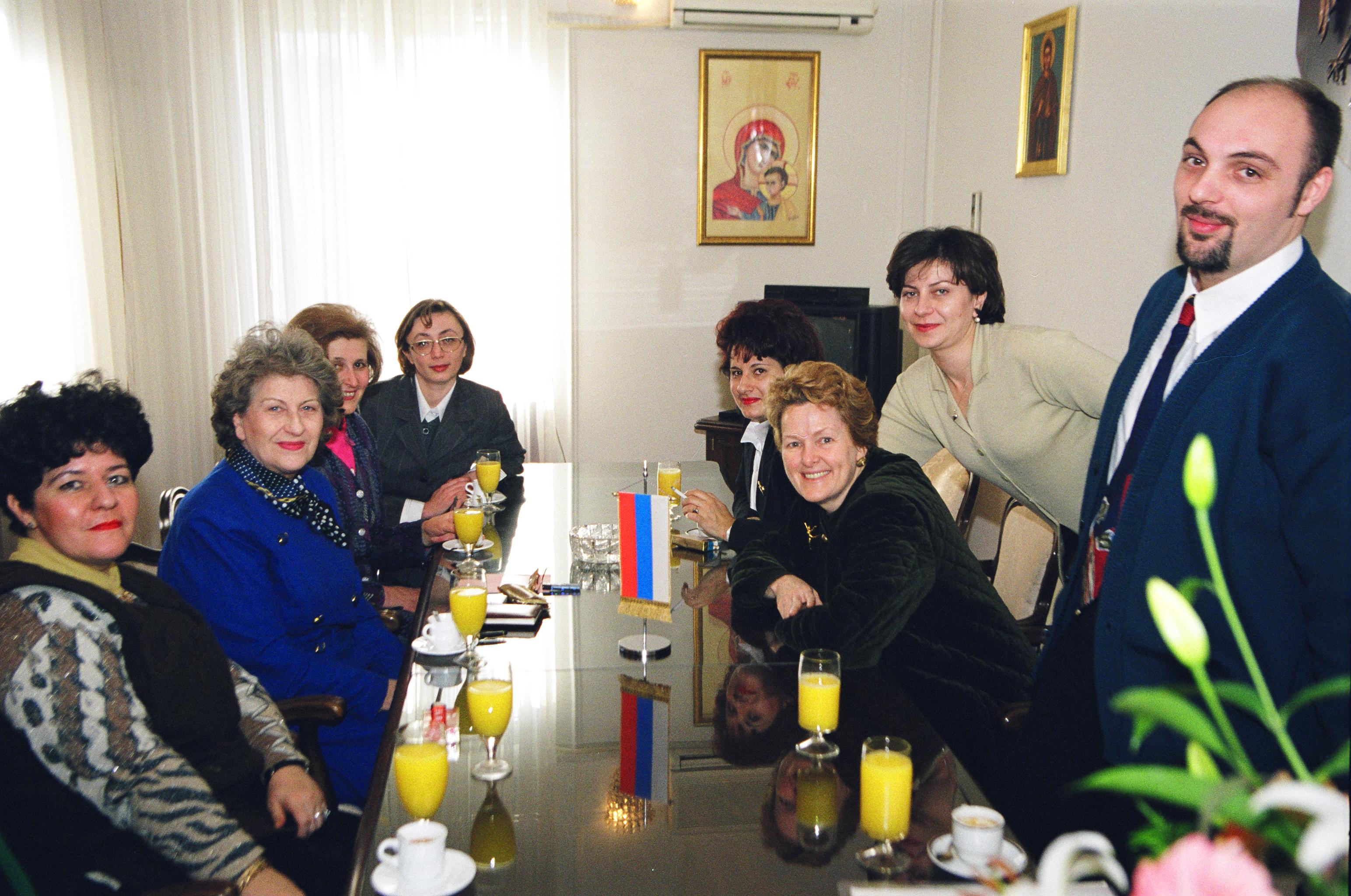
Biljana Plavšić - Image 3

Biljana Plavšić - Image 4
Sources
Frequently Asked Questions
Table of Contents
Case Summary
Biljana Plavšić is a former Bosnian Serb politician, university professor, and scientist who notably served as President of Republika Srpska, a region within Bosnia and Herzegovina. During the Bosnian War, she was accused of participating in the planning, instigation, ordering, and execution of crimes against humanity, including genocide, extermination, murder, and other severe violations of international law. In 2003, Plavšić pleaded guilty to crimes against humanity and was sentenced to 11 years in prison by the International Criminal Tribunal for the former Yugoslavia. She was released in 2009 after serving two-thirds of her sentence.
July 7, 1930, Tuzla, Kingdom of Yugoslavia(Age: 96)
Case Details
Biljana Plavšić, an esteemed scientist and university professor turned politician, holds a significant role in the annals of history for her position as the President of Republika Srpska, the Serbian republic within Bosnia and Herzegovina. Yet, her legacy is not marked by her academic prowess or leadership skills. Instead, she stands as a stark example of the destructive power of political authority when misused, convicted for heinous crimes against humanity committed during the Bosnian War.
Plavšić was born in 1930 in Tuzla, a city in what is now Bosnia and Herzegovina. Her early life was marked by an academic inclination, leading her to pursue higher education and eventually becoming a university professor and scientist. She specialized in biology, her work earning her a level of respect and prestige that would serve as a platform for her political career.
In the early 1990s, as Yugoslavia began to disintegrate, Plavšić entered the political arena. As a member of the Serbian Democratic Party, she held a fervent belief in Serbian nationalism, aligning herself with leaders who shared her ideology. This belief, coupled with her influential position, would eventually lead her down a path marred by war crimes and human rights abuses.
The Bosnian War, which lasted from 1992 to 1995, was characterized by intense ethnic conflict and horrifying instances of ethnic cleansing. As part of the Bosnian Serb leadership, Plavšić played a significant role in this conflict, utilizing her political power to push forth an agenda that resulted in the systematic extermination and expulsion of Bosniak Muslims from areas claimed by the Bosnian Serbs.
The alleged crimes committed under Plavšić's leadership were carried out systematically and ruthlessly. Reports detailed horrifying instances of mass murder, forced displacement, and sexual violence, all committed with the goal of creating ethnically homogeneous regions within Bosnia and Herzegovina. Plavšić was not just a passive observer during this time; she was an active participant, endorsing and encouraging the violent actions taken by the Bosnian Serb forces.
The international community responded with outrage as the atrocities committed during the Bosnian War came to light. The International Criminal Tribunal for the former Yugoslavia (ICTY), set up by the United Nations, began its investigation into the war crimes and human rights abuses committed during the conflict. Plavšić was among the individuals indicted by the ICTY, charged with genocide, crimes against humanity, and violations of the laws or customs of war.
In 2001, Plavšić surrendered herself voluntarily to the ICTY, pledging to cooperate with the investigation. Her trial was marked by a surprising turn of events when she pleaded guilty to the charges of crimes against humanity, specifically for persecution on political, racial, and religious grounds. This plea marked the first time a political leader had acknowledged their responsibility for the atrocities committed during the Bosnian War.
The court's judgement in Plavšić's case was delivered in 2003. She was sentenced to 11 years in prison, a relatively lenient sentence given the severity of her crimes. The court acknowledged her cooperation with the investigation and her expression of remorse as mitigating factors in their decision. However, the verdict was met with mixed reactions from the public.
The media coverage of Plavšić's trial was extensive, with international outlets providing detailed reports on the proceedings. The public reaction varied, with some viewing the verdict as a necessary step towards justice, while others regarded the sentence as insufficient for the magnitude of the crimes committed. In Bosnia and Herzegovina, reactions were divided along ethnic lines, highlighting the deep-seated tensions that still existed in the aftermath of the war.
Plavšić's conviction represented a significant step in the struggle for accountability for the crimes committed during the Bosnian War. However, it also highlighted the challenges faced in achieving justice in the face of such horrific atrocities. The fact that a respected academic and political leader was capable of condoning and participating in such acts served as a chilling reminder of the power of nationalist ideologies and the potential for human rights abuses when such ideologies are left unchecked.
Plavšić's case has had a lasting impact on international law and the prosecution of war crimes. It underscored the importance of holding political leaders accountable for their actions and highlighted the role of international courts in achieving justice. The conviction of a former head of state for crimes against humanity set a precedent for future cases, paving the way for the prosecution of other leaders accused of similar crimes.
Today, Plavšić's case serves as a stark reminder of the horrors of the Bosnian War and the atrocities committed in the name of ethnic nationalism. While she may have served her sentence and disappeared from the public eye, her legacy remains as a symbol of the destructive power of political authority when misused. As we reflect on her actions and their consequences, we are reminded of the importance of vigilance and accountability in the face of potential human rights abuses, a lesson that remains relevant in today's increasingly polarized political climate.
Timeline
Bosnian War Begins
The Bosnian War, where Plavšić was later accused of committing war crimes, begins.
Presidency
Plavšić assumes the presidency of Republika Srpska.
Arrest
Plavšić is arrested on charges of war crimes.
Conviction
Plavšić is convicted of crimes against humanity by the International Criminal Tribunal for the former Yugoslavia and is sentenced to 11 years in prison.
Release
Plavšić is released after serving two-thirds of her sentence.
Crime Location
Photos
Biljana Plavšić during her presidency
Biljana Plavšić in court
Biljana Plavšić after her release
Biljana Plavšić - Primary image
Biljana Plavšić - Image 2
Biljana Plavšić - Image 3
Biljana Plavšić - Image 4
Sources
Frequently Asked Questions
Related Cases
Convicted
Connection tags:
Convicted
Connection tags:
Convicted
Connection tags:
Convicted
Connection tags:
Convicted
Connection tags:
Convicted
Connection tags:
Popular Culture
documentary (2018)
Documentary featuring the trial of Ratko Mladić, a fellow Bosnian Serb leader, that includes mentions of Plavšić and her involvement in the Bosnian War.