Irma Ilse Ida Grese

Case Summary
Irma Ilse Ida Grese, widely known as the 'Hyena of Auschwitz' and the 'Beast of Belsen', was a Nazi concentration camp Helferin at Ravensbrück, Auschwitz II-Birkenau, and Bergen-Belsen. Her atrocities committed in Birkenau during the Holocaust period made her one of the most notorious female Nazi war criminals. Grese was convicted for crimes against humanity at the Belsen Trial in 1945 and was sentenced to death.
October 7, 1923, Feldberger Seenlandschaft, Mecklenburg-Vorpommern, Germany(Age: 22)
December 13, 1945, Hamelin Prison, Hamelin, Allied-occupied Germany (Execution by hanging)
Related Cases

Convicted
Connection tags:

Convicted
Connection tags:

Convicted
Connection tags:

Convicted
Connection tags:

Convicted
Connection tags:

Convicted
Connection tags:
Case Details
The blood-curdling tale of Irma Grese is a nightmarish echo from the pages of World War II history that continues to send chilling reverberations through time. This infamous figure, widely known as the "Hyena of Auschwitz" and the "Beast of Belsen," was a Nazi concentration camp Helferin at Ravensbrück, Auschwitz II-Birkenau, and Bergen-Belsen. Her heinous crimes committed during the Holocaust at the young age of 22 led to her being one of the youngest women to die judicially under British law in the 20th century. Grese's story is one that starkly highlights the abhorrent depths of human cruelty that emerged during the Holocaust.
Irma Ilse Ida Grese was born on October 7, 1923, in Wrechen, Germany. The third of five children, she came from a humble background. Her father, Alfred, was a dairy farmer and her mother, Berta, was a homemaker. Grese's early life was marred by familial discord, largely due to her father's stern and often harsh demeanor. Alfred was a staunch nationalist and likely influenced Grese's ideological leanings. It was this troubled upbringing, some argue, that propelled her down the path of inhumanity she later embarked upon.
At the age of 14, Grese left school and worked on her parents' farm until she was 15. She then worked as a shop assistant, a nursemaid, and later, a nurse. In 1938, after the death of her mother, Grese moved into the Reich Labour Service, and then, in 1940, she joined the camp staff at Ravensbrück, a concentration camp for women.
Even in the darkest annals of concentration camp history, Grese stands out for her sadistic brutality. She was transferred to Auschwitz II-Birkenau in 1942, where she quickly rose through the ranks to become a senior SS supervisor — the second highest position attainable by a female concentration camp guard. At the peak of her power, she was responsible for overseeing around 30,000 Jewish women prisoners.
In the confines of Birkenau and later at Bergen-Belsen, Grese exhibited a horrific pleasure in the physical and psychological torment of the camp's inmates. She was known to randomly beat and whip prisoners without provocation, often selecting the most beautiful women for the cruelest punishments out of jealousy. Her penchant for inflicting pain was such that she would reportedly set her half-starved dogs on the inmates.
Grese's cruel demeanor earned her the monikers "Hyena of Auschwitz" and “Beast of Belsen.” It wasn't just her physical brutality that made her notorious; she was also known for her psychological tortures. She would force prisoners to stand for hours in roll-call, irrespective of the weather, often leading to the deaths of weakened prisoners. It was rumored that she took sadistic pleasure in the selection process for the gas chambers, often choosing those who had caught her ire.
With the end of the war in sight, the Nazis scrambled to erase evidence of their atrocities. In January 1945, Grese was transferred to Bergen-Belsen, where the conditions were even more horrendous. The camp was overcrowded, and food and medical supplies were scarce. In the chaos, Grese continued her reign of terror until the camp was liberated by British troops on April 15, 1945.
Upon their arrival, the British were greeted by a horrifying scene: thousands of corpses lay unburied, and those who had survived were in a state of extreme starvation and disease. Among the captured was Irma Grese, who was arrested by the British army. She was subsequently charged with crimes against humanity.
The Belsen Trial commenced on September 17, 1945, with Grese and 44 other camp staff in the dock. Throughout the trial, she maintained a defiant posture, showing no remorse for her actions. She was accused of numerous crimes, including murder, aiding and abetting murder, and performing acts of brutality against prisoners. Multiple witnesses, including survivors of the concentration camps, gave damning testimonies against her.
On November 17, 1945, Grese was found guilty on all counts. She was sentenced to death by hanging. Despite a plea for clemency on grounds of her young age, the sentence was carried out on December 13, 1945. With her execution, Grese became one of the youngest women to be judicially executed under British law in the 20th century.
The case of Irma Grese garnered significant media attention, both domestically and internationally. The sheer brutality of her crimes, coupled with her youth and gender, shocked the world. Her trial was widely covered by the press, who often focused on her seeming indifference to the charges against her.
Public reaction to Grese's crimes and subsequent execution were mixed. Some saw her as a product of Nazi indoctrination, while others viewed her as the incarnation of evil. However, there was a general consensus that justice had been served with her execution.
Irma Grese's case has had a lasting impact on Holocaust literature and popular culture. She has become an illustration of the monstrous evil that can reside in seemingly ordinary individuals. Her story has been explored in books, documentaries, and films as a stark reminder of the horrific depths humanity can sink to.
The case of Irma Grese is an example of the extreme brutality that was perpetrated during the Holocaust. It serves as a chilling reminder of the horrors of war and the atrocities that can be committed when empathy and humanity are lost. It underscores the importance of remembering and learning from history to prevent such horrors from recurring. Despite the passage of time, the tale of Irma Grese remains an unnerving testament to the dark side of human nature.
Timeline
Joined Auschwitz
Irma Grese joined Auschwitz II-Birkenau as a concentration camp Helferin.
Arrested by British forces
Irma Grese was arrested by British forces after the liberation of Bergen-Belsen.
Belsen Trial Begins
The Belsen Trial, where Irma Grese was a defendant, begins.
Sentenced to death
Irma Grese was found guilty of crimes against humanity and sentenced to death.
Execution
Irma Grese was executed by hanging.
Crime Location
Photos
Irma Grese in her SS uniform
Irma Grese on trial
Irma Grese's mugshot
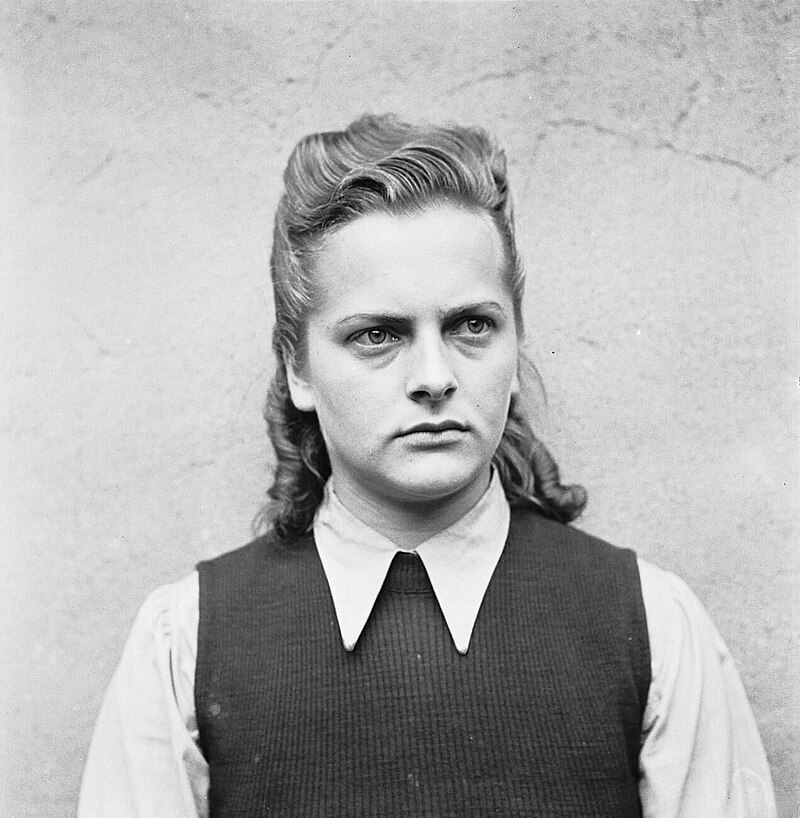
Irma Grese - Primary image

Irma Grese - Image 2

Irma Grese - Image 3
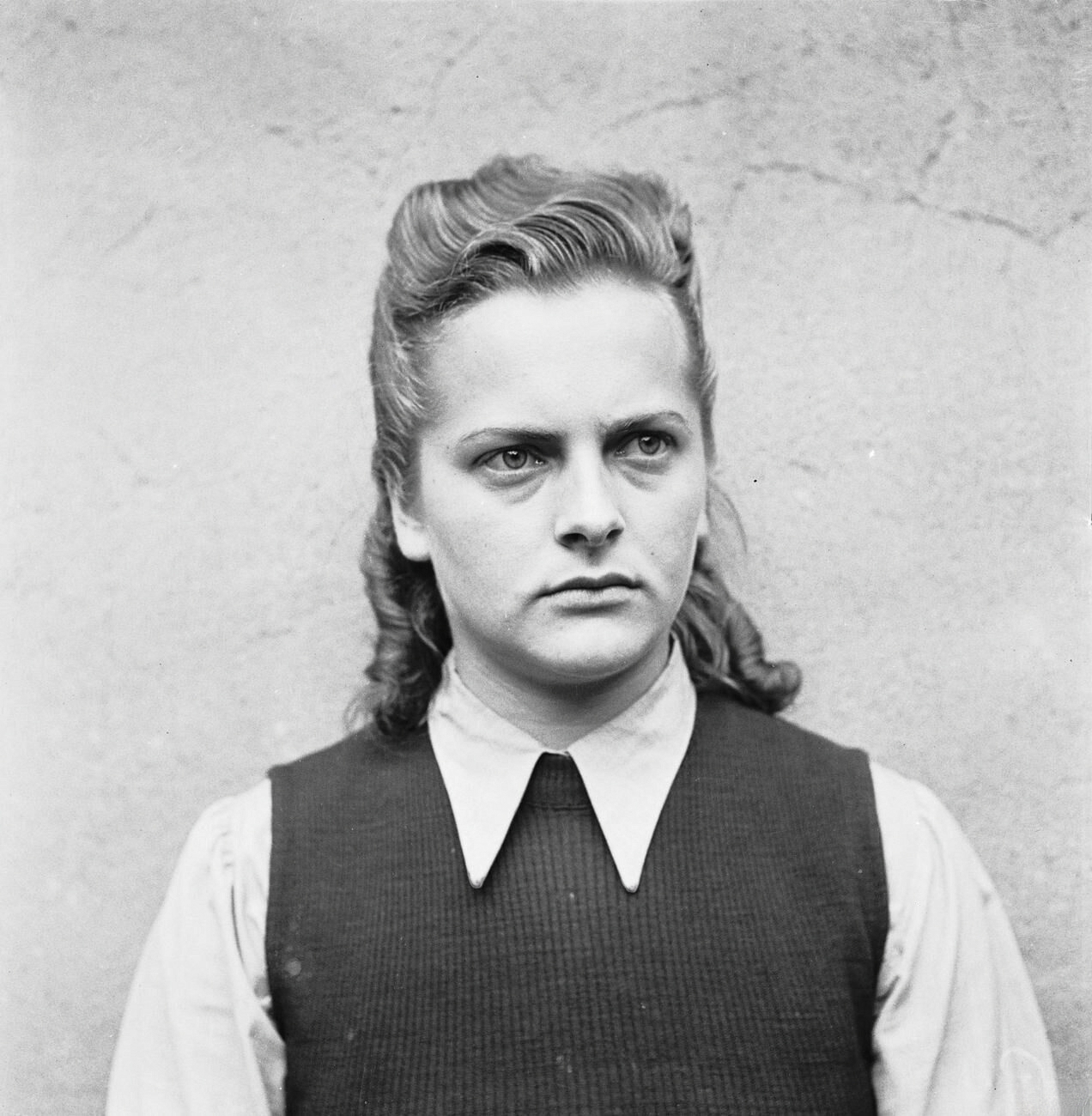
Irma Grese - Image 4

Irma Grese - Image 5
Sources
Frequently Asked Questions
Table of Contents
Case Summary
Irma Ilse Ida Grese, widely known as the 'Hyena of Auschwitz' and the 'Beast of Belsen', was a Nazi concentration camp Helferin at Ravensbrück, Auschwitz II-Birkenau, and Bergen-Belsen. Her atrocities committed in Birkenau during the Holocaust period made her one of the most notorious female Nazi war criminals. Grese was convicted for crimes against humanity at the Belsen Trial in 1945 and was sentenced to death.
October 7, 1923, Feldberger Seenlandschaft, Mecklenburg-Vorpommern, Germany(Age: 22)
December 13, 1945, Hamelin Prison, Hamelin, Allied-occupied Germany (Execution by hanging)
Case Details
The blood-curdling tale of Irma Grese is a nightmarish echo from the pages of World War II history that continues to send chilling reverberations through time. This infamous figure, widely known as the "Hyena of Auschwitz" and the "Beast of Belsen," was a Nazi concentration camp Helferin at Ravensbrück, Auschwitz II-Birkenau, and Bergen-Belsen. Her heinous crimes committed during the Holocaust at the young age of 22 led to her being one of the youngest women to die judicially under British law in the 20th century. Grese's story is one that starkly highlights the abhorrent depths of human cruelty that emerged during the Holocaust.
Irma Ilse Ida Grese was born on October 7, 1923, in Wrechen, Germany. The third of five children, she came from a humble background. Her father, Alfred, was a dairy farmer and her mother, Berta, was a homemaker. Grese's early life was marred by familial discord, largely due to her father's stern and often harsh demeanor. Alfred was a staunch nationalist and likely influenced Grese's ideological leanings. It was this troubled upbringing, some argue, that propelled her down the path of inhumanity she later embarked upon.
At the age of 14, Grese left school and worked on her parents' farm until she was 15. She then worked as a shop assistant, a nursemaid, and later, a nurse. In 1938, after the death of her mother, Grese moved into the Reich Labour Service, and then, in 1940, she joined the camp staff at Ravensbrück, a concentration camp for women.
Even in the darkest annals of concentration camp history, Grese stands out for her sadistic brutality. She was transferred to Auschwitz II-Birkenau in 1942, where she quickly rose through the ranks to become a senior SS supervisor — the second highest position attainable by a female concentration camp guard. At the peak of her power, she was responsible for overseeing around 30,000 Jewish women prisoners.
In the confines of Birkenau and later at Bergen-Belsen, Grese exhibited a horrific pleasure in the physical and psychological torment of the camp's inmates. She was known to randomly beat and whip prisoners without provocation, often selecting the most beautiful women for the cruelest punishments out of jealousy. Her penchant for inflicting pain was such that she would reportedly set her half-starved dogs on the inmates.
Grese's cruel demeanor earned her the monikers "Hyena of Auschwitz" and “Beast of Belsen.” It wasn't just her physical brutality that made her notorious; she was also known for her psychological tortures. She would force prisoners to stand for hours in roll-call, irrespective of the weather, often leading to the deaths of weakened prisoners. It was rumored that she took sadistic pleasure in the selection process for the gas chambers, often choosing those who had caught her ire.
With the end of the war in sight, the Nazis scrambled to erase evidence of their atrocities. In January 1945, Grese was transferred to Bergen-Belsen, where the conditions were even more horrendous. The camp was overcrowded, and food and medical supplies were scarce. In the chaos, Grese continued her reign of terror until the camp was liberated by British troops on April 15, 1945.
Upon their arrival, the British were greeted by a horrifying scene: thousands of corpses lay unburied, and those who had survived were in a state of extreme starvation and disease. Among the captured was Irma Grese, who was arrested by the British army. She was subsequently charged with crimes against humanity.
The Belsen Trial commenced on September 17, 1945, with Grese and 44 other camp staff in the dock. Throughout the trial, she maintained a defiant posture, showing no remorse for her actions. She was accused of numerous crimes, including murder, aiding and abetting murder, and performing acts of brutality against prisoners. Multiple witnesses, including survivors of the concentration camps, gave damning testimonies against her.
On November 17, 1945, Grese was found guilty on all counts. She was sentenced to death by hanging. Despite a plea for clemency on grounds of her young age, the sentence was carried out on December 13, 1945. With her execution, Grese became one of the youngest women to be judicially executed under British law in the 20th century.
The case of Irma Grese garnered significant media attention, both domestically and internationally. The sheer brutality of her crimes, coupled with her youth and gender, shocked the world. Her trial was widely covered by the press, who often focused on her seeming indifference to the charges against her.
Public reaction to Grese's crimes and subsequent execution were mixed. Some saw her as a product of Nazi indoctrination, while others viewed her as the incarnation of evil. However, there was a general consensus that justice had been served with her execution.
Irma Grese's case has had a lasting impact on Holocaust literature and popular culture. She has become an illustration of the monstrous evil that can reside in seemingly ordinary individuals. Her story has been explored in books, documentaries, and films as a stark reminder of the horrific depths humanity can sink to.
The case of Irma Grese is an example of the extreme brutality that was perpetrated during the Holocaust. It serves as a chilling reminder of the horrors of war and the atrocities that can be committed when empathy and humanity are lost. It underscores the importance of remembering and learning from history to prevent such horrors from recurring. Despite the passage of time, the tale of Irma Grese remains an unnerving testament to the dark side of human nature.
Timeline
Joined Auschwitz
Irma Grese joined Auschwitz II-Birkenau as a concentration camp Helferin.
Arrested by British forces
Irma Grese was arrested by British forces after the liberation of Bergen-Belsen.
Belsen Trial Begins
The Belsen Trial, where Irma Grese was a defendant, begins.
Sentenced to death
Irma Grese was found guilty of crimes against humanity and sentenced to death.
Execution
Irma Grese was executed by hanging.
Crime Location
Photos
Irma Grese in her SS uniform
Irma Grese on trial
Irma Grese's mugshot
Irma Grese - Primary image
Irma Grese - Image 2
Irma Grese - Image 3
Irma Grese - Image 4
Irma Grese - Image 5
Sources
Frequently Asked Questions
Related Cases
Convicted
Connection tags:
Convicted
Connection tags:
Convicted
Connection tags:
Convicted
Connection tags:
Convicted
Connection tags:
Convicted
Connection tags:
Popular Culture
book (2019)
A biography of Irma Grese by author Charles T. Whiting.
TV (2005)
A BBC mini-series that mentions Irma Grese and her role at Auschwitz.