Catherine de' Medici

Case Summary
Catherine de' Medici, though not officially convicted or charged, is often implicated in a series of political machinations and alleged crimes during her reign as Queen of France. She is notably associated with the St. Bartholomew's Day Massacre in 1572, where thousands of Huguenots (French Protestants) were slaughtered by Catholic mobs. While her role in the massacre is still debated among historians, she is often portrayed as a perpetrator or instigator.
April 13, 1519, Florence, Italy(Age: 69)
January 4, 1589
Related Cases

Convicted
Connection tags:

Convicted
Connection tags:

Convicted
Connection tags:

Accused
Connection tags:

Convicted
Connection tags:
Convicted
Connection tags:
Case Details
Catherine de' Medici, a name that still resonates through the annals of French history. Born into the powerful Medici family of Florence, she ascended to the throne as the Queen of France from 1547 to 1559, following her marriage to King Henry II. The mother of three French kings - Francis II, Charles IX, and Henry III, Catherine's influence over the political landscape was so profound that her sons' reigns are often referred to as "the age of Catherine de' Medici." But behind this political prowess lay a shadowy figure, one immersed in a series of alleged crimes that have since become the stuff of legend.
Born in 1519, Catherine was orphaned within a month of her birth. Despite her early misfortunes, she belonged to one of the most powerful families in Italy, the Medici, who were known for their influence in politics, religion, and culture. Her uncle was none other than Pope Clement VII, who was instrumental in arranging her marriage to Henry, Duke of Orleans, heir to the French throne.
Her life in the French court started as a humdrum affair. She was not her husband's favourite; that honour went to Diane de Poitiers, his mistress. However, her fortunes changed when she bore Henry three sons who would go on to become the future kings of France. Upon Henry’s death in 1559, Catherine became the regent for her minor sons, marking the beginning of her profound influence on French politics.
As a queen and regent, Catherine de' Medici wielded power with a ruthless hand. Her reign was marked by religious conflicts, political intrigues, and allegations of heinous crimes. Her most infamous deed, the St. Bartholomew's Day Massacre, resulted in the brutal murder of thousands of Protestants by Catholic mobs in Paris in 1572. Catherine's role in this event has long been a subject of debate among historians, but many believe she was the mastermind behind this horrific act, which was ostensibly a plot to eliminate the Protestant nobility.
The massacre was allegedly triggered by the failed assassination of Admiral Gaspard de Coligny, a prominent Huguenot leader. The attempted murder on August 22, 1572, failed to kill Coligny but succeeded in enraging the Huguenots, who were in Paris for the wedding of Catherine's daughter to the Protestant Henry of Navarre. Fearing a Protestant retaliation, Catherine supposedly persuaded her son, King Charles IX, to order the assassination of the Huguenot leaders. The massacre began on Saint Bartholomew's Day, August 24, and continued for several days, resulting in the deaths of an estimated 3,000 in Paris and 70,000 across France.
While the massacre's immediate aftermath was celebrated by the Catholic Church and royal court, it soon became a cause of horror and regret, casting a long shadow over the rest of Catherine's reign. Her reputation was further tarnished by her involvement in the mysterious death of her son-in-law, Henry of Navarre's mother, Jeanne d'Albret, who reportedly died of mysterious causes shortly before the ill-fated wedding. Many believed that Catherine had a hand in her death, though no concrete evidence was ever found.
Investigations into these allegations were hampered by the times and the perpetrators' status. In an era when the divine right of kings was a widely accepted concept, holding monarchs accountable was virtually unheard of. Moreover, Catherine's status as the queen mother and regent made her virtually untouchable. The legal proceedings of the time, heavily influenced by the whims and fancies of the monarchs, offered little hope for justice.
Catherine de' Medici's reign was marked by a constant struggle for power, marked by political machinations, assassinations, and widespread violence. After her death in 1589, her legacy was one of a ruthless queen who would stop at nothing to maintain her and her sons' grip on power.
Public reaction to Catherine's alleged crimes was largely influenced by religious affiliations. While the Catholics celebrated the St. Bartholomew's Day Massacre as a victory, it was a horrifying event for the Huguenots. The massacre is said to have intensified the Wars of Religion, leading to an even deeper divide between Catholics and Protestants in France. The public's perception of Catherine was also shaped by her Italian heritage, which made her a foreigner in the French court. She was often depicted as a Machiavellian figure, a ruthless queen who relied on Italian poisoners and spies to eliminate her enemies.
In the media, particularly in Protestant countries, Catherine was portrayed as an evil queen who reveled in the blood of the Huguenots. She was depicted as "The Black Queen," a sinister figure who ruled through fear and manipulation. This image was further reinforced in works of literature such as Alexander Dumas' "Queen Margot" and Aldous Huxley's "The Devils of Loudun."
Catherine de' Medici's alleged crimes and their impact on French society and politics have also been the subject of numerous academic studies. Her reign has been compared to that of other notorious female rulers such as Queen Mary I of England, known as "Bloody Mary" due to her violent repression of Protestants.
The case of Catherine de' Medici offers a fascinating study of power, ambition, and alleged criminality at the heart of the French monarchy. It paints a picture of a queen who, despite her controversial reputation, left an indelible mark on French history. Her story, intertwined with allegations of heinous crimes, remains a captivating chapter in the grand narrative of European history, offering a glimpse into the darker side of power and monarchy.
Timeline
Becomes Queen
Catherine de' Medici becomes Queen of France following the coronation of her husband, Henry II.
Becomes Regent
After the death of her husband, Catherine assumes regency for her underage son, Francis II.
Becomes Regent for Charles IX
Upon the death of Francis II, Catherine becomes regent for her second son, Charles IX.
St. Bartholomew's Day Massacre
Thousands of Huguenots are murdered in Paris and other French cities. Catherine is often implicated in the orchestration of these events.
Death
Catherine de' Medici dies at the age of 69.
Crime Location
Photos
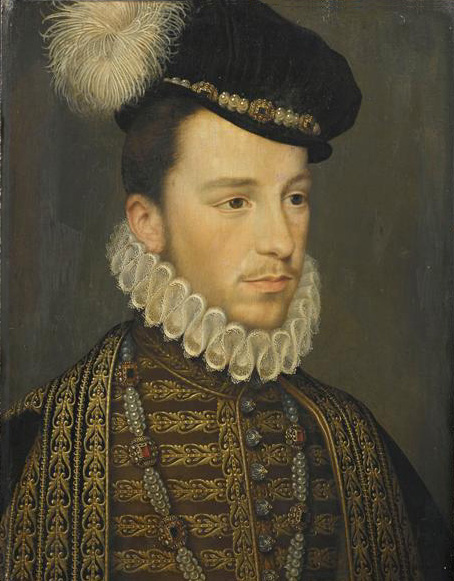
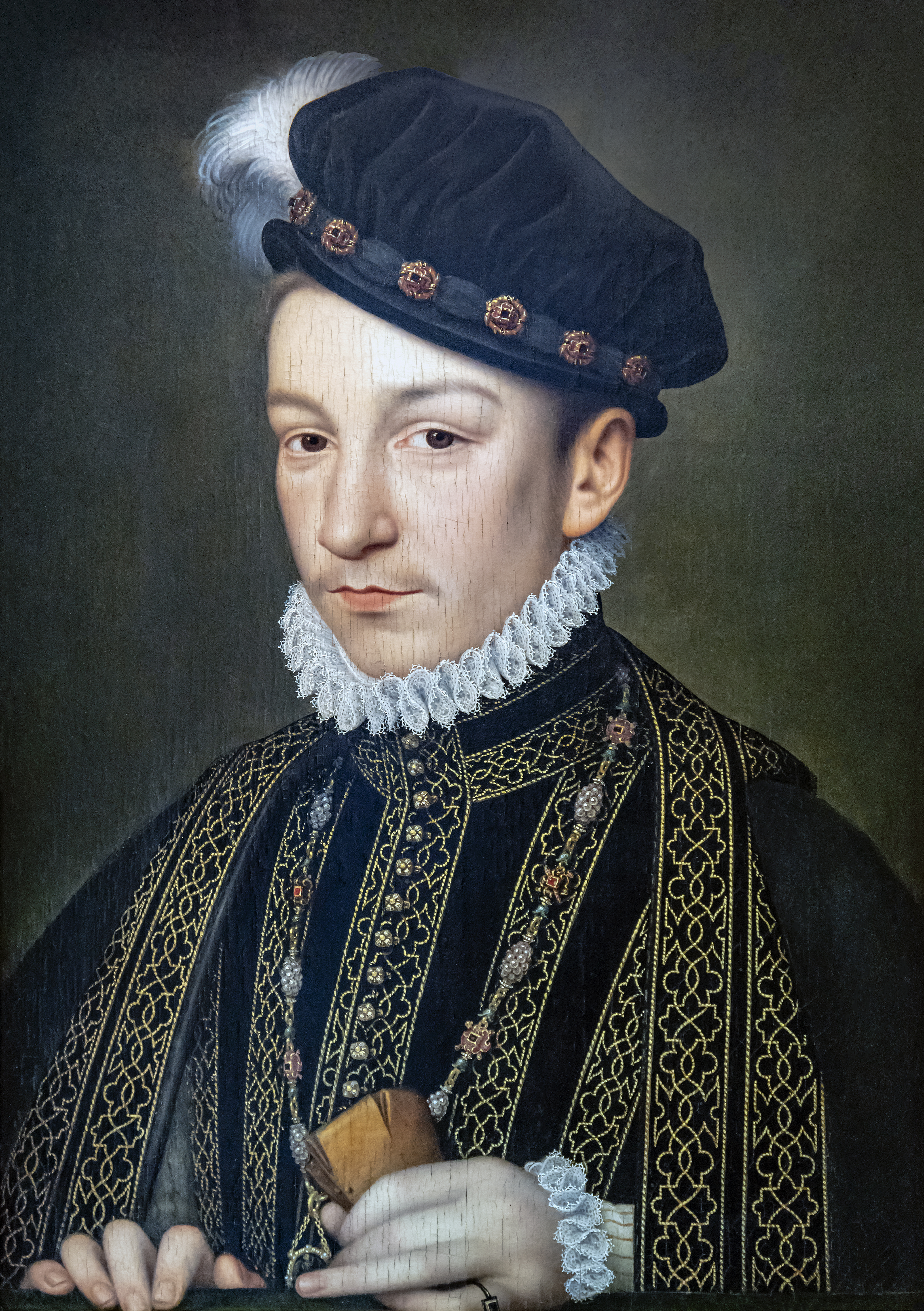
Portrait of Catherine de' Medici
Catherine de' Medici and her children
Depiction of the St. Bartholomew's Day Massacre

Catherine de’ Medici - Primary image
Catherine de’ Medici - Image 2

Catherine de’ Medici - Image 3
Catherine de’ Medici - Image 4

Catherine de’ Medici - Image 5

Catherine de’ Medici - Image 6

Catherine de’ Medici - Image 7

Catherine de’ Medici - Image 8
Frequently Asked Questions
Table of Contents
Case Summary
Catherine de' Medici, though not officially convicted or charged, is often implicated in a series of political machinations and alleged crimes during her reign as Queen of France. She is notably associated with the St. Bartholomew's Day Massacre in 1572, where thousands of Huguenots (French Protestants) were slaughtered by Catholic mobs. While her role in the massacre is still debated among historians, she is often portrayed as a perpetrator or instigator.
April 13, 1519, Florence, Italy(Age: 69)
January 4, 1589
Case Details
Catherine de' Medici, a name that still resonates through the annals of French history. Born into the powerful Medici family of Florence, she ascended to the throne as the Queen of France from 1547 to 1559, following her marriage to King Henry II. The mother of three French kings - Francis II, Charles IX, and Henry III, Catherine's influence over the political landscape was so profound that her sons' reigns are often referred to as "the age of Catherine de' Medici." But behind this political prowess lay a shadowy figure, one immersed in a series of alleged crimes that have since become the stuff of legend.
Born in 1519, Catherine was orphaned within a month of her birth. Despite her early misfortunes, she belonged to one of the most powerful families in Italy, the Medici, who were known for their influence in politics, religion, and culture. Her uncle was none other than Pope Clement VII, who was instrumental in arranging her marriage to Henry, Duke of Orleans, heir to the French throne.
Her life in the French court started as a humdrum affair. She was not her husband's favourite; that honour went to Diane de Poitiers, his mistress. However, her fortunes changed when she bore Henry three sons who would go on to become the future kings of France. Upon Henry’s death in 1559, Catherine became the regent for her minor sons, marking the beginning of her profound influence on French politics.
As a queen and regent, Catherine de' Medici wielded power with a ruthless hand. Her reign was marked by religious conflicts, political intrigues, and allegations of heinous crimes. Her most infamous deed, the St. Bartholomew's Day Massacre, resulted in the brutal murder of thousands of Protestants by Catholic mobs in Paris in 1572. Catherine's role in this event has long been a subject of debate among historians, but many believe she was the mastermind behind this horrific act, which was ostensibly a plot to eliminate the Protestant nobility.
The massacre was allegedly triggered by the failed assassination of Admiral Gaspard de Coligny, a prominent Huguenot leader. The attempted murder on August 22, 1572, failed to kill Coligny but succeeded in enraging the Huguenots, who were in Paris for the wedding of Catherine's daughter to the Protestant Henry of Navarre. Fearing a Protestant retaliation, Catherine supposedly persuaded her son, King Charles IX, to order the assassination of the Huguenot leaders. The massacre began on Saint Bartholomew's Day, August 24, and continued for several days, resulting in the deaths of an estimated 3,000 in Paris and 70,000 across France.
While the massacre's immediate aftermath was celebrated by the Catholic Church and royal court, it soon became a cause of horror and regret, casting a long shadow over the rest of Catherine's reign. Her reputation was further tarnished by her involvement in the mysterious death of her son-in-law, Henry of Navarre's mother, Jeanne d'Albret, who reportedly died of mysterious causes shortly before the ill-fated wedding. Many believed that Catherine had a hand in her death, though no concrete evidence was ever found.
Investigations into these allegations were hampered by the times and the perpetrators' status. In an era when the divine right of kings was a widely accepted concept, holding monarchs accountable was virtually unheard of. Moreover, Catherine's status as the queen mother and regent made her virtually untouchable. The legal proceedings of the time, heavily influenced by the whims and fancies of the monarchs, offered little hope for justice.
Catherine de' Medici's reign was marked by a constant struggle for power, marked by political machinations, assassinations, and widespread violence. After her death in 1589, her legacy was one of a ruthless queen who would stop at nothing to maintain her and her sons' grip on power.
Public reaction to Catherine's alleged crimes was largely influenced by religious affiliations. While the Catholics celebrated the St. Bartholomew's Day Massacre as a victory, it was a horrifying event for the Huguenots. The massacre is said to have intensified the Wars of Religion, leading to an even deeper divide between Catholics and Protestants in France. The public's perception of Catherine was also shaped by her Italian heritage, which made her a foreigner in the French court. She was often depicted as a Machiavellian figure, a ruthless queen who relied on Italian poisoners and spies to eliminate her enemies.
In the media, particularly in Protestant countries, Catherine was portrayed as an evil queen who reveled in the blood of the Huguenots. She was depicted as "The Black Queen," a sinister figure who ruled through fear and manipulation. This image was further reinforced in works of literature such as Alexander Dumas' "Queen Margot" and Aldous Huxley's "The Devils of Loudun."
Catherine de' Medici's alleged crimes and their impact on French society and politics have also been the subject of numerous academic studies. Her reign has been compared to that of other notorious female rulers such as Queen Mary I of England, known as "Bloody Mary" due to her violent repression of Protestants.
The case of Catherine de' Medici offers a fascinating study of power, ambition, and alleged criminality at the heart of the French monarchy. It paints a picture of a queen who, despite her controversial reputation, left an indelible mark on French history. Her story, intertwined with allegations of heinous crimes, remains a captivating chapter in the grand narrative of European history, offering a glimpse into the darker side of power and monarchy.
Timeline
Becomes Queen
Catherine de' Medici becomes Queen of France following the coronation of her husband, Henry II.
Becomes Regent
After the death of her husband, Catherine assumes regency for her underage son, Francis II.
Becomes Regent for Charles IX
Upon the death of Francis II, Catherine becomes regent for her second son, Charles IX.
St. Bartholomew's Day Massacre
Thousands of Huguenots are murdered in Paris and other French cities. Catherine is often implicated in the orchestration of these events.
Death
Catherine de' Medici dies at the age of 69.
Crime Location
Photos
Portrait of Catherine de' Medici
Catherine de' Medici and her children
Depiction of the St. Bartholomew's Day Massacre
Catherine de’ Medici - Primary image
Catherine de’ Medici - Image 2
Catherine de’ Medici - Image 3
Catherine de’ Medici - Image 4
Catherine de’ Medici - Image 5
Catherine de’ Medici - Image 6
Catherine de’ Medici - Image 7
Catherine de’ Medici - Image 8
Frequently Asked Questions
Related Cases
Convicted
Connection tags:
Convicted
Connection tags:
Convicted
Connection tags:
Accused
Connection tags:
Convicted
Connection tags:
Convicted
Connection tags:
Popular Culture
movie (1994)
A French historical movie depicting the events of the St. Bartholomew's Day Massacre, with Catherine de' Medici as a significant character.
book (2009)
A historical fiction novel exploring the life and reign of Catherine de' Medici.