Gudrun Ensslin

Case Summary
Gudrun Ensslin was a German far-left militant and founder of the Red Army Faction, a West German terrorist group. She was involved in several bombings, robberies, and other violent actions against the West German government and capitalist institutions. She was arrested in 1972 and was imprisoned until her death in 1977, which was ruled a suicide.
August 15, 1940, Bartholomä, Germany(Age: 37)
October 18, 1977, Stuttgart, West Germany
Related Cases

Convicted
Connection tags:

Convicted
Connection tags:

Convicted
Connection tags:
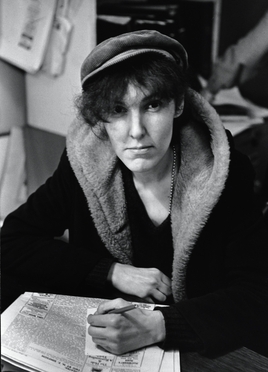
Convicted
Connection tags:

Convicted
Connection tags:

Convicted
Connection tags:
Case Details
In the annals of German history, the name Gudrun Ensslin evokes a mixture of reactions. For some, she is a symbol of the radical left movement that shook the nation during the 1970s. For others, she is a terrorist, whose actions led to a disturbing period of violence and political unrest. A founder of the Red Army Faction (RAF), Ensslin was involved in a series of bombings, murders, and robberies that aimed to overthrow the West German government and dismantle what they perceived as a continuation of the Nazi regime.
Born on August 15, 1940, in the small German town of Bartholomä, Gudrun Ensslin grew up in a strict Protestant household. Her father, Helmut Ensslin, was a pastor, and the influence of his religious teachings would be a constant presence in her life. As a young woman, Gudrun was known for her intellect and her passion for literature. She studied at the University of Tübingen, where she became deeply involved in the student protest movement that was sweeping across Europe in the 1960s.
Ensslin's political awakening came in the wake of a series of events that shook Germany and the world. The escalating Vietnam War, the proliferation of nuclear weapons, and the perceived failure of the German government to fully acknowledge and atone for its Nazi past all contributed to a growing sense of disillusionment among the nation's youth. For Ensslin, these issues merged with her personal grievances against the established order, leading her towards an increasingly radical political stance.
It was during this period that Ensslin met Andreas Baader, a charismatic and equally radical young man. Their relationship would become a focal point of the RAF's history, with the pair becoming synonymous with the group's violent activities. Their first known act of terrorism occurred in 1968 when they set fire to two department stores in Frankfurt as a protest against the Vietnam War. Captured and convicted, Gudrun and Andreas were sentenced to three years imprisonment.
However, in 1970, with the help of the radical lawyer Horst Mahler and journalist Ulrike Meinhof, Ensslin and Baader escaped from prison. This marked the formal beginning of the Red Army Faction, which over the next decade, carried out a series of bombings, assassinations, and kidnappings aimed at the heart of the West German establishment.
Central to Ensslin's ideology was the belief that violence was a legitimate means of political protest. She was instrumental in planning and executing some of the RAF's most notorious actions, including the bombing of the Springer Press in 1972, which killed one person and injured 17 others.
In 1972, following a nationwide manhunt, Ensslin, Baader, and fellow RAF member Jan-Carl Raspe, were arrested and charged with various crimes including murder and attempted murder. Their subsequent trial, known as the Stammheim trial, became a focal point of the German public's attention, with the defendants using the courtroom as a platform to air their political grievances.
The legal proceedings were marked by a series of dramatic events. The defendants often disrupted the proceedings, and both Ensslin and Baader attempted suicide during the trial. In a controversial move, the court allowed the defendants to represent themselves, leading to further chaos. Despite the tumultuous nature of the trial, the verdict was clear: Ensslin, Baader, and Raspe were found guilty of murder and sentenced to life imprisonment.
The case of Gudrun Ensslin and the Red Army Faction sparked intense public debate in Germany. Many saw the group as terrorists, their acts of violence a disturbing echo of the country's recent past. However, others viewed them as radical revolutionaries, their actions a necessary response to a government they perceived as oppressive and unrepentant for its Nazi past.
The media was similarly divided, with some outlets portraying Ensslin as a cold-blooded killer, while others depicted her as a revolutionary martyr. Her image — a young, intelligent woman turned violent radical — challenged societal norms and ignited discussions about the role of women in political movements.
The story of Gudrun Ensslin did not end with her conviction. In 1977, she, Baader, and Raspe were found dead in their cells in what was officially ruled a collective suicide. However, conspiracy theories abound, with some suggesting that the trio was murdered by the state in an attempt to quell the RAF's activities.
The legacy of Gudrun Ensslin and the Red Army Faction is complex and divisive. Their actions triggered a period of social and political turmoil in Germany, the effects of which are still felt today. The group's radical left-wing ideology and its choice to resort to violence have been the subject of numerous books, films, and debates. At the same time, their story serves as a stark reminder of the potential for political disillusionment to breed extremism.
The case of Ensslin and the RAF also had a profound impact on the German justice system, leading to reforms in the handling of terrorist cases and the treatment of prisoners. The Stammheim trial, with its chaotic proceedings and controversial verdict, highlighted the challenges of prosecuting politically motivated crimes.
Today, the name Gudrun Ensslin remains synonymous with a period of German history marked by political unrest and violence. Her life and actions continue to provoke debate and serve as a stark reminder of the destructive potential of radical ideologies. Regardless of one's perspective, there is no denying the impact that Ensslin and the Red Army Faction have had on the course of German history and the ongoing discourse on political extremism.
Timeline
Formation of Red Army Faction
Gudrun Ensslin co-found the Red Army Faction.
Arrest of Gudrun Ensslin
Gudrun Ensslin was arrested for her involvement in the Red Army Faction.
Death in Prison
Gudrun Ensslin was found dead in her prison cell.
Crime Location
Photos
Mugshot of Gudrun Ensslin
Red Army Faction logo
Stammheim Prison

Gudrun Ensslin - Primary image

Gudrun Ensslin - Image 2

Gudrun Ensslin - Image 3
Sources
Frequently Asked Questions
Table of Contents
Case Summary
Gudrun Ensslin was a German far-left militant and founder of the Red Army Faction, a West German terrorist group. She was involved in several bombings, robberies, and other violent actions against the West German government and capitalist institutions. She was arrested in 1972 and was imprisoned until her death in 1977, which was ruled a suicide.
August 15, 1940, Bartholomä, Germany(Age: 37)
October 18, 1977, Stuttgart, West Germany
Case Details
In the annals of German history, the name Gudrun Ensslin evokes a mixture of reactions. For some, she is a symbol of the radical left movement that shook the nation during the 1970s. For others, she is a terrorist, whose actions led to a disturbing period of violence and political unrest. A founder of the Red Army Faction (RAF), Ensslin was involved in a series of bombings, murders, and robberies that aimed to overthrow the West German government and dismantle what they perceived as a continuation of the Nazi regime.
Born on August 15, 1940, in the small German town of Bartholomä, Gudrun Ensslin grew up in a strict Protestant household. Her father, Helmut Ensslin, was a pastor, and the influence of his religious teachings would be a constant presence in her life. As a young woman, Gudrun was known for her intellect and her passion for literature. She studied at the University of Tübingen, where she became deeply involved in the student protest movement that was sweeping across Europe in the 1960s.
Ensslin's political awakening came in the wake of a series of events that shook Germany and the world. The escalating Vietnam War, the proliferation of nuclear weapons, and the perceived failure of the German government to fully acknowledge and atone for its Nazi past all contributed to a growing sense of disillusionment among the nation's youth. For Ensslin, these issues merged with her personal grievances against the established order, leading her towards an increasingly radical political stance.
It was during this period that Ensslin met Andreas Baader, a charismatic and equally radical young man. Their relationship would become a focal point of the RAF's history, with the pair becoming synonymous with the group's violent activities. Their first known act of terrorism occurred in 1968 when they set fire to two department stores in Frankfurt as a protest against the Vietnam War. Captured and convicted, Gudrun and Andreas were sentenced to three years imprisonment.
However, in 1970, with the help of the radical lawyer Horst Mahler and journalist Ulrike Meinhof, Ensslin and Baader escaped from prison. This marked the formal beginning of the Red Army Faction, which over the next decade, carried out a series of bombings, assassinations, and kidnappings aimed at the heart of the West German establishment.
Central to Ensslin's ideology was the belief that violence was a legitimate means of political protest. She was instrumental in planning and executing some of the RAF's most notorious actions, including the bombing of the Springer Press in 1972, which killed one person and injured 17 others.
In 1972, following a nationwide manhunt, Ensslin, Baader, and fellow RAF member Jan-Carl Raspe, were arrested and charged with various crimes including murder and attempted murder. Their subsequent trial, known as the Stammheim trial, became a focal point of the German public's attention, with the defendants using the courtroom as a platform to air their political grievances.
The legal proceedings were marked by a series of dramatic events. The defendants often disrupted the proceedings, and both Ensslin and Baader attempted suicide during the trial. In a controversial move, the court allowed the defendants to represent themselves, leading to further chaos. Despite the tumultuous nature of the trial, the verdict was clear: Ensslin, Baader, and Raspe were found guilty of murder and sentenced to life imprisonment.
The case of Gudrun Ensslin and the Red Army Faction sparked intense public debate in Germany. Many saw the group as terrorists, their acts of violence a disturbing echo of the country's recent past. However, others viewed them as radical revolutionaries, their actions a necessary response to a government they perceived as oppressive and unrepentant for its Nazi past.
The media was similarly divided, with some outlets portraying Ensslin as a cold-blooded killer, while others depicted her as a revolutionary martyr. Her image — a young, intelligent woman turned violent radical — challenged societal norms and ignited discussions about the role of women in political movements.
The story of Gudrun Ensslin did not end with her conviction. In 1977, she, Baader, and Raspe were found dead in their cells in what was officially ruled a collective suicide. However, conspiracy theories abound, with some suggesting that the trio was murdered by the state in an attempt to quell the RAF's activities.
The legacy of Gudrun Ensslin and the Red Army Faction is complex and divisive. Their actions triggered a period of social and political turmoil in Germany, the effects of which are still felt today. The group's radical left-wing ideology and its choice to resort to violence have been the subject of numerous books, films, and debates. At the same time, their story serves as a stark reminder of the potential for political disillusionment to breed extremism.
The case of Ensslin and the RAF also had a profound impact on the German justice system, leading to reforms in the handling of terrorist cases and the treatment of prisoners. The Stammheim trial, with its chaotic proceedings and controversial verdict, highlighted the challenges of prosecuting politically motivated crimes.
Today, the name Gudrun Ensslin remains synonymous with a period of German history marked by political unrest and violence. Her life and actions continue to provoke debate and serve as a stark reminder of the destructive potential of radical ideologies. Regardless of one's perspective, there is no denying the impact that Ensslin and the Red Army Faction have had on the course of German history and the ongoing discourse on political extremism.
Timeline
Formation of Red Army Faction
Gudrun Ensslin co-found the Red Army Faction.
Arrest of Gudrun Ensslin
Gudrun Ensslin was arrested for her involvement in the Red Army Faction.
Death in Prison
Gudrun Ensslin was found dead in her prison cell.
Crime Location
Photos
Mugshot of Gudrun Ensslin
Red Army Faction logo
Stammheim Prison
Gudrun Ensslin - Primary image
Gudrun Ensslin - Image 2
Gudrun Ensslin - Image 3
Sources
Frequently Asked Questions
Related Cases
Convicted
Connection tags:
Convicted
Connection tags:
Convicted
Connection tags:
Convicted
Connection tags:
Convicted
Connection tags:
Convicted
Connection tags:
Popular Culture
movie (2008)
A film that depicts the history of the Red Army Faction, featuring Gudrun Ensslin as a major character.
movie (1978)
A film that includes a sequence about the funeral of Gudrun Ensslin.