Leila Khaled

Case Summary
Leila Khaled, born in 1944, is a Palestinian former militant and activist. She was a member of the Popular Front for the Liberation of Palestine (PFLP). Khaled is known for being the first woman to hijack an airplane. Her first hijacking was in 1969 on a flight from Rome to Athens, which was diverted to Damascus. A year later, she attempted another hijack on a flight from Amsterdam to New York, but this was thwarted by the air marshals on board.
April 9, 1944, Haifa, Mandatory Palestine(Age: 82)
Related Cases

Convicted
Connection tags:

Convicted
Connection tags:
Convicted
Connection tags:

Convicted
Connection tags:

Convicted
Connection tags:

Alleged
Connection tags:
Case Details
The name Leila Khaled, a Palestinian former militant and activist, resonates within the history of the Israeli-Palestinian conflict and global terrorism with a unique distinction. She became internationally recognized as the first woman to hijack an airplane, an audacious action that would forever etch her name in the annals of political militancy. Her life story and the crimes she allegedly committed, embody a complex tapestry of politics, resistance, and crime.
Born on April 9, 1944, in Haifa, then part of British-ruled Palestine, Khaled's life was soon disrupted by the 1948 Arab-Israeli War. As a young child, she was forced into exile with her family, relocating to Lebanon and later to Jordan, where she grew up in refugee camps. These early experiences of displacement and statelessness would shape her political consciousness, and by the age of 15, Khaled had joined the Arab Nationalist Movement. This was her first step into political activism, and it laid the foundation for her future involvement with the Popular Front for the Liberation of Palestine (PFLP), a Marxist-Leninist organization established in 1967.
The PFLP, under the leadership of George Habash, was a radical offshoot of the Arab Nationalist Movement and gained notoriety for its armed actions against Israel. Khaled, who had become a key figure in the organization by the late 1960s, was no exception to its militant ethos. Her first notable act of political violence occurred on August 29, 1969, when she and fellow PFLP member Salim Issawi hijacked TWA Flight 840, en route from Rome to Athens.
The hijacking was carefully executed. Khaled and Issawi, armed with two hand grenades, forced the pilot to divert the flight to Damascus, Syria. They demanded the release of Palestinian prisoners held by Israel; when their demands were not met, they blew up the nose of the plane after evacuating all passengers and crew members. No one was killed or harmed during this incident, but Khaled had made her point. She was now a global figure, the face of a new, gender-blind form of terrorism.
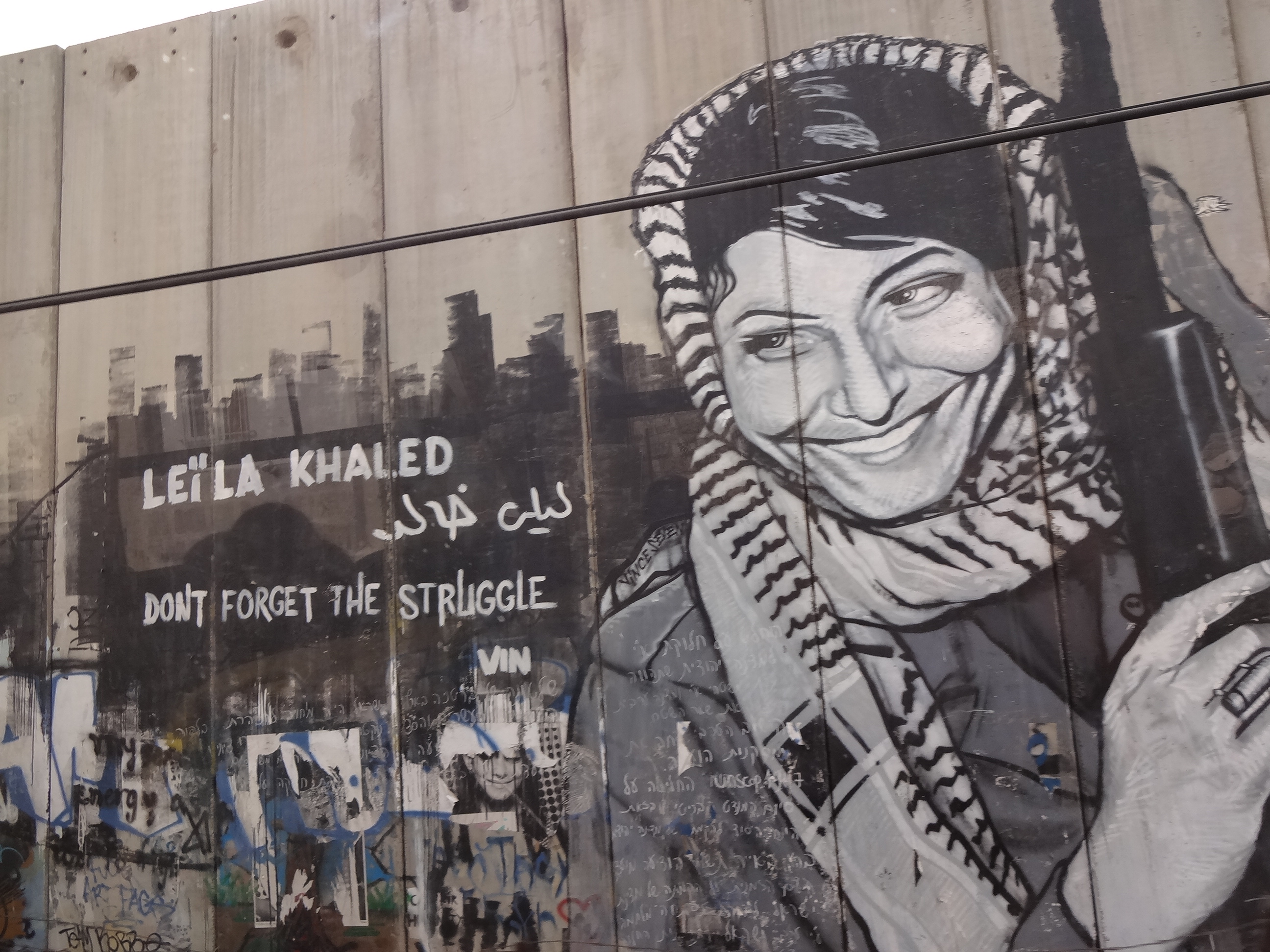
The international media coverage of the TWA Flight 840 hijacking amplified Khaled's status as a militant icon. Her image, a young woman with a kaffiyeh and an AK-47, became a symbol of Palestinian resistance and defiance. However, this exposure also made her a target for international law enforcement agencies.
Despite this, Khaled was undeterred. She underwent six plastic surgery procedures to alter her appearance and embarked on her next mission. On September 6, 1970, she and Patrick Argüello, a Nicaraguan-American member of the PFLP, attempted to hijack El Al Flight 219 from Amsterdam to New York. This time, their plan failed. The security personnel on board the flight overpowered the duo; Argüello was killed, and Khaled was apprehended. She was later handed over to British authorities in exchange for hostages from another hijacked plane.
Legal proceedings against Khaled began in the United Kingdom, but before charges could be brought against her, the British government released her as part of a prisoner exchange deal following another aircraft hijacking by the PFLP. To date, Khaled has not faced any legal consequences for her actions.
The audacity of Khaled's actions and her prominent role within the PFLP drew intense media attention and public reaction. Some viewed her as a terrorist, others as a freedom fighter. Her actions sparked a global debate about the nature of terrorism and the legitimacy of armed resistance in the face of perceived oppression.
The media coverage of Khaled's actions also significantly influenced the public perception of the Israeli-Palestinian conflict. For some, she personified the desperation and defiance of the Palestinian people. For others, she was a symbol of the escalating violence and lawlessness associated with the conflict. In either case, Khaled's actions brought the plight of the Palestinians to the fore of global consciousness.
The cultural impact of Khaled's actions was significant. Her image has been immortalized in art, film, and literature, often serving as a symbol of female empowerment and resistance. However, these representations have been controversial, reflecting the polarized views about Khaled and her actions.
Khaled's story also inspired other women to join the ranks of militant organizations. The ensuing decades saw an increase in the number of female militants, particularly in the Middle East. This trend has been both praised as evidence of gender equality within these movements and criticized for the normalization of violence.
Today, Khaled continues to be a vocal advocate for the Palestinian cause, albeit through non-violent means. She is based in Jordan and is a member of the Palestinian National Council. Despite her controversial past, she remains a significant figure in the discourse surrounding the Israeli-Palestinian conflict.
The legacy of Leila Khaled is a testament to the complex interplay of politics, crime, and resistance. Her actions, driven by political ideology and personal conviction, have left an indelible mark on the history of the Israeli-Palestinian conflict and the broader discourse on terrorism and political violence. As such, her story continues to elicit strong reactions, reflecting the enduring tensions and complexities of this conflict.
Timeline
First Hijacking
Khaled hijacks a TWA flight from Rome to Athens, diverting it to Damascus.
Second Hijacking Attempt
Khaled attempts to hijack an El Al flight from Amsterdam to New York, but is thwarted by air marshals.
Crime Location
Photos
Leila Khaled in 1970
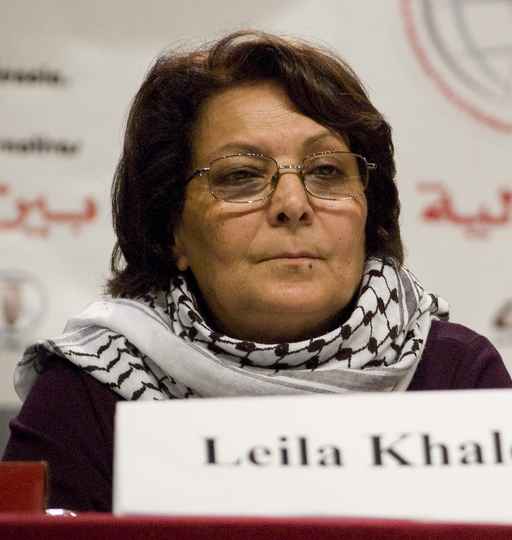
Leila Khaled in recent years

Leila Khaled - Primary image
Leila Khaled - Image 2
Leila Khaled - Image 3

Leila Khaled - Image 4

Leila Khaled - Image 5
Sources
Frequently Asked Questions
Table of Contents
Case Summary
Leila Khaled, born in 1944, is a Palestinian former militant and activist. She was a member of the Popular Front for the Liberation of Palestine (PFLP). Khaled is known for being the first woman to hijack an airplane. Her first hijacking was in 1969 on a flight from Rome to Athens, which was diverted to Damascus. A year later, she attempted another hijack on a flight from Amsterdam to New York, but this was thwarted by the air marshals on board.
April 9, 1944, Haifa, Mandatory Palestine(Age: 82)
Case Details
The name Leila Khaled, a Palestinian former militant and activist, resonates within the history of the Israeli-Palestinian conflict and global terrorism with a unique distinction. She became internationally recognized as the first woman to hijack an airplane, an audacious action that would forever etch her name in the annals of political militancy. Her life story and the crimes she allegedly committed, embody a complex tapestry of politics, resistance, and crime.
Born on April 9, 1944, in Haifa, then part of British-ruled Palestine, Khaled's life was soon disrupted by the 1948 Arab-Israeli War. As a young child, she was forced into exile with her family, relocating to Lebanon and later to Jordan, where she grew up in refugee camps. These early experiences of displacement and statelessness would shape her political consciousness, and by the age of 15, Khaled had joined the Arab Nationalist Movement. This was her first step into political activism, and it laid the foundation for her future involvement with the Popular Front for the Liberation of Palestine (PFLP), a Marxist-Leninist organization established in 1967.
The PFLP, under the leadership of George Habash, was a radical offshoot of the Arab Nationalist Movement and gained notoriety for its armed actions against Israel. Khaled, who had become a key figure in the organization by the late 1960s, was no exception to its militant ethos. Her first notable act of political violence occurred on August 29, 1969, when she and fellow PFLP member Salim Issawi hijacked TWA Flight 840, en route from Rome to Athens.
The hijacking was carefully executed. Khaled and Issawi, armed with two hand grenades, forced the pilot to divert the flight to Damascus, Syria. They demanded the release of Palestinian prisoners held by Israel; when their demands were not met, they blew up the nose of the plane after evacuating all passengers and crew members. No one was killed or harmed during this incident, but Khaled had made her point. She was now a global figure, the face of a new, gender-blind form of terrorism.
The international media coverage of the TWA Flight 840 hijacking amplified Khaled's status as a militant icon. Her image, a young woman with a kaffiyeh and an AK-47, became a symbol of Palestinian resistance and defiance. However, this exposure also made her a target for international law enforcement agencies.
Despite this, Khaled was undeterred. She underwent six plastic surgery procedures to alter her appearance and embarked on her next mission. On September 6, 1970, she and Patrick Argüello, a Nicaraguan-American member of the PFLP, attempted to hijack El Al Flight 219 from Amsterdam to New York. This time, their plan failed. The security personnel on board the flight overpowered the duo; Argüello was killed, and Khaled was apprehended. She was later handed over to British authorities in exchange for hostages from another hijacked plane.
Legal proceedings against Khaled began in the United Kingdom, but before charges could be brought against her, the British government released her as part of a prisoner exchange deal following another aircraft hijacking by the PFLP. To date, Khaled has not faced any legal consequences for her actions.
The audacity of Khaled's actions and her prominent role within the PFLP drew intense media attention and public reaction. Some viewed her as a terrorist, others as a freedom fighter. Her actions sparked a global debate about the nature of terrorism and the legitimacy of armed resistance in the face of perceived oppression.
The media coverage of Khaled's actions also significantly influenced the public perception of the Israeli-Palestinian conflict. For some, she personified the desperation and defiance of the Palestinian people. For others, she was a symbol of the escalating violence and lawlessness associated with the conflict. In either case, Khaled's actions brought the plight of the Palestinians to the fore of global consciousness.
The cultural impact of Khaled's actions was significant. Her image has been immortalized in art, film, and literature, often serving as a symbol of female empowerment and resistance. However, these representations have been controversial, reflecting the polarized views about Khaled and her actions.
Khaled's story also inspired other women to join the ranks of militant organizations. The ensuing decades saw an increase in the number of female militants, particularly in the Middle East. This trend has been both praised as evidence of gender equality within these movements and criticized for the normalization of violence.
Today, Khaled continues to be a vocal advocate for the Palestinian cause, albeit through non-violent means. She is based in Jordan and is a member of the Palestinian National Council. Despite her controversial past, she remains a significant figure in the discourse surrounding the Israeli-Palestinian conflict.
The legacy of Leila Khaled is a testament to the complex interplay of politics, crime, and resistance. Her actions, driven by political ideology and personal conviction, have left an indelible mark on the history of the Israeli-Palestinian conflict and the broader discourse on terrorism and political violence. As such, her story continues to elicit strong reactions, reflecting the enduring tensions and complexities of this conflict.
Timeline
First Hijacking
Khaled hijacks a TWA flight from Rome to Athens, diverting it to Damascus.
Second Hijacking Attempt
Khaled attempts to hijack an El Al flight from Amsterdam to New York, but is thwarted by air marshals.
Crime Location
Photos
Leila Khaled in 1970
Leila Khaled in recent years
Leila Khaled - Primary image
Leila Khaled - Image 2
Leila Khaled - Image 3
Leila Khaled - Image 4
Leila Khaled - Image 5
Sources
Frequently Asked Questions
Related Cases
Convicted
Connection tags:
Convicted
Connection tags:
Convicted
Connection tags:
Convicted
Connection tags:
Convicted
Connection tags:
Alleged
Connection tags:
Popular Culture
movie (2006)
A documentary film about Leila Khaled, exploring her life and actions.