Winnie Nomzamo Madikizela-Mandela

Case Summary
Winnie Madikizela-Mandela was a South African politician and anti-apartheid activist who was convicted of kidnapping and fraud. In 1991, she was convicted of kidnapping and being an accessory to assault in relation to the death of 14-year-old activist Stompie Seipei. In 2003, she was convicted of fraud and theft related to a loan scheme.
September 26, 1936, Mbizana, Cape Province, Union of South Africa(Age: 81)
April 2, 2018, Johannesburg, Gauteng, South Africa
Related Cases
:max_bytes(150000):strip_icc():focal(749x0:751x2)/sherri-papinie-050125-6fed48fca2f5411e9f00a9c8037c330d.jpg)
Convicted
Connection tags:

Convicted
Connection tags:

Convicted
Connection tags:

Convicted
Connection tags:

Convicted
Connection tags:

Convicted
Connection tags:
Case Details
Winnie Nomzamo Madikizela-Mandela, better known as Winnie Mandela, was a renowned South African politician and anti-apartheid activist. She was married to Nelson Mandela, a man whose name became synonymous with the struggle against apartheid in South Africa. However, beneath the veneer of her political career and activism, Winnie Mandela was also a convicted kidnapper and fraudster.
Born on September 26, 1936, in Bizana, a rural village in the Eastern Cape of South Africa, Winnie was the fourth of eight children. Her father, Columbus Madikizela, was a local history teacher, while her mother, Gertrude, was a science teacher. Winnie's parents were both very politically active, and their influence played a significant role in shaping her political consciousness. Despite the restrictions imposed on black people's education in apartheid-era South Africa, Winnie managed to complete her degree in Social Work at the Jan Hofmeyr School in Johannesburg in 1955.
By the late 1950s, Winnie had met and married Nelson Mandela, a rising star within the African National Congress (ANC). However, their marriage was beset by political turmoil and personal tragedy. Nelson was frequently absent due to his political activities, and he was eventually arrested and sentenced to life in prison in 1964. Despite her husband's imprisonment, Winnie remained committed to the anti-apartheid cause and became a symbol of resistance in her own right.
However, as Winnie's political career flourished, so too did allegations of criminal behavior. The most notorious of these allegations were those related to the kidnapping, assault, and murder of 14-year-old activist Stompie Seipei in 1989. Seipei, a former member of the Mandela United Football Club, a group of young men who served as Winnie's personal bodyguards, was abducted from the Methodist Church home where he was staying. His body was later found in a field, his throat cut.
The subsequent investigation into Seipei's death unveiled a world of brutality and violence within the Mandela United Football Club. Testimonies from former club members accused Winnie of orchestrating the kidnapping and personally beating Seipei, allegations that Winnie vehemently denied. Despite this, in 1991, she was convicted of kidnapping and being an accessory to assault, although her six-year jail sentence was reduced to a fine and a two-year suspended sentence on appeal.
This was not the only time Winnie found herself on the wrong side of the law. In 1995, she was dismissed from her post as Deputy Minister of Arts, Culture, Science, and Technology for insubordination. Then, in 2003, she was convicted on 43 counts of fraud and 25 of theft, connected to loan applications made to a bank in the names of fictitious ANC Women's League members. She was sentenced to five years in prison, but this sentence was later reduced on appeal to a suspended sentence of three years and six months.
Despite these convictions, Winnie continued to be a prominent figure in South African politics. She remained a Member of Parliament from 1994 to 2003, and again from 2009 until her death in 2018. She also continued to command a strong following, particularly among the poor and marginalized, who saw her as a symbol of resistance and defiance against the apartheid regime.
The media played a crucial role in shaping public perceptions of Winnie Mandela. In the years following her conviction for kidnapping and assault, the South African and international media painted a disturbing portrait of a woman who had allegedly become as ruthless and violent as the apartheid regime she fought against. However, the narrative was not entirely negative. Many hailed her as the "Mother of the Nation," praising her unwavering commitment to the anti-apartheid cause and her role in keeping Nelson Mandela's memory alive during his incarceration.
Public reaction to Winnie Mandela was and remains deeply divided. Her supporters argue that her criminal convictions were politically motivated, an attempt by the apartheid government to discredit and marginalize a powerful and influential figure in the anti-apartheid movement. They point to her tireless work on behalf of the poor and marginalized and her fearless defiance of the apartheid regime as proof of her commitment to the cause. On the other hand, her detractors view her as a violent and ruthless figure, whose actions tarnished the reputation of the ANC and the broader anti-apartheid movement.
Winnie Mandela's story has had a significant cultural impact, particularly in South Africa. Her life has been the subject of numerous books, films, and plays, and she continues to be a source of fascination and controversy. Her story raises uncomfortable questions about the nature of resistance and the lengths to which individuals are prepared to go in the fight against oppression.
Winnie Mandela's case also offers a cautionary tale about the dangers of unchecked power and the potential for corruption within political movements. Despite her undeniable contributions to the anti-apartheid cause, her criminal convictions serve as a stark reminder that even those who fight for justice and equality can fall prey to the temptations of power and self-interest.
In conclusion, the story of Winnie Mandela is a complex and multifaceted one. She was a powerful and influential figure in the anti-apartheid movement, a tireless advocate for the poor and marginalized, and a symbol of resistance and defiance. At the same time, she was a convicted kidnapper and fraudster, whose actions cast a long shadow over her legacy. Her story serves as a powerful reminder of the complexities and contradictions inherent in human nature and the struggle for justice and equality.
Timeline
Convicted of Kidnapping
Convicted of kidnapping and being an accessory to assault.
Convicted of Fraud
Convicted of 43 counts of fraud and 25 of theft, and sentenced to five years in prison.
Crime Location
Photos
Winnie Mandela during her trial
Winnie Mandela with Nelson Mandela
Winnie Mandela during her 2003 trial

Winnie Mandela - Primary image

Winnie Mandela - Image 2
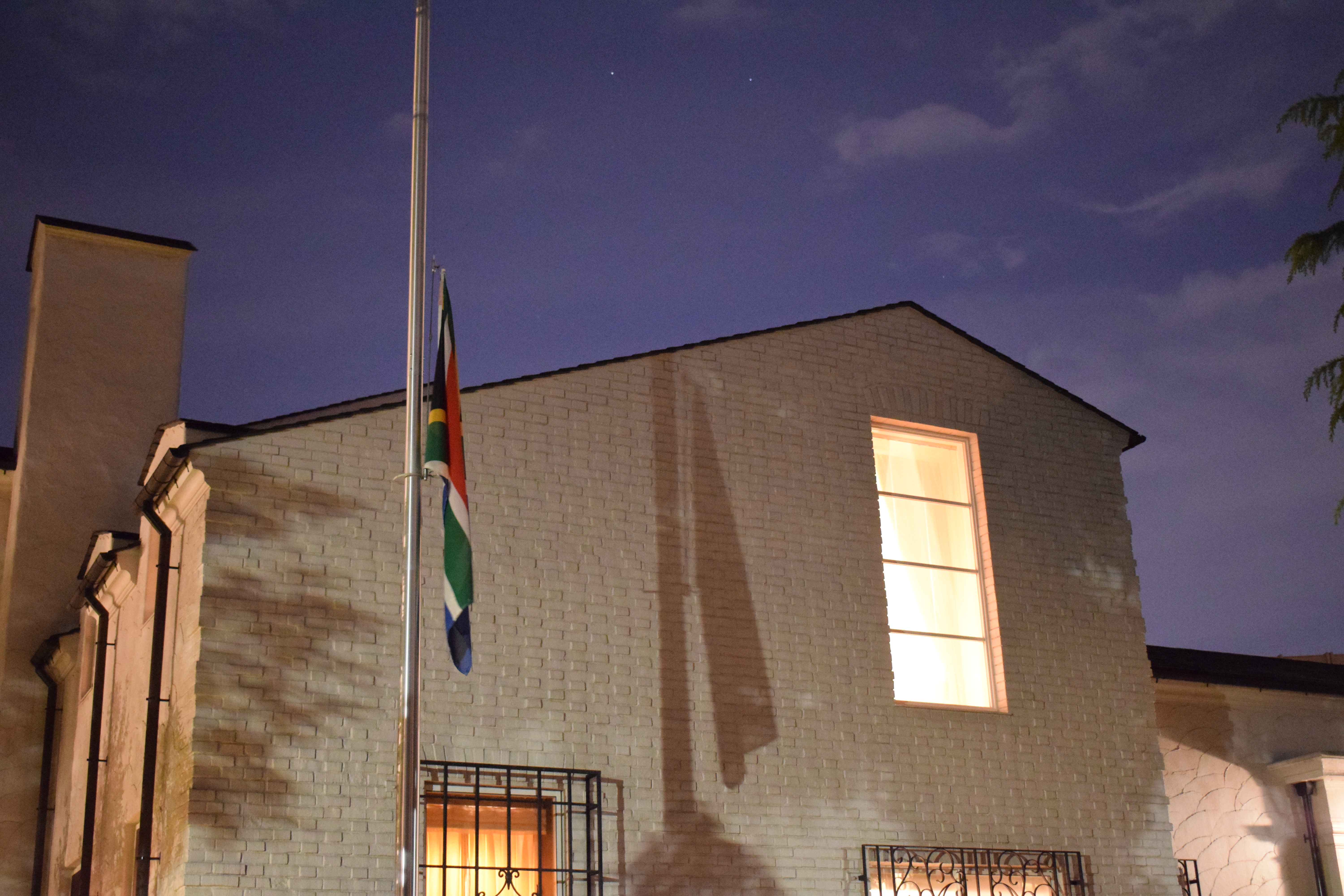
Winnie Mandela - Image 3
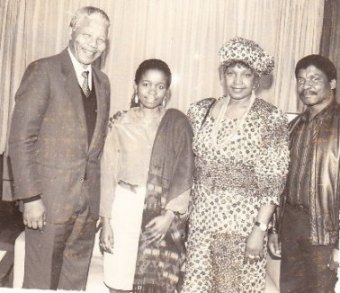
Winnie Mandela - Image 4

Winnie Mandela - Image 5

Winnie Mandela - Image 6
Sources
Frequently Asked Questions
Table of Contents
Case Summary
Winnie Madikizela-Mandela was a South African politician and anti-apartheid activist who was convicted of kidnapping and fraud. In 1991, she was convicted of kidnapping and being an accessory to assault in relation to the death of 14-year-old activist Stompie Seipei. In 2003, she was convicted of fraud and theft related to a loan scheme.
September 26, 1936, Mbizana, Cape Province, Union of South Africa(Age: 81)
April 2, 2018, Johannesburg, Gauteng, South Africa
Case Details
Winnie Nomzamo Madikizela-Mandela, better known as Winnie Mandela, was a renowned South African politician and anti-apartheid activist. She was married to Nelson Mandela, a man whose name became synonymous with the struggle against apartheid in South Africa. However, beneath the veneer of her political career and activism, Winnie Mandela was also a convicted kidnapper and fraudster.
Born on September 26, 1936, in Bizana, a rural village in the Eastern Cape of South Africa, Winnie was the fourth of eight children. Her father, Columbus Madikizela, was a local history teacher, while her mother, Gertrude, was a science teacher. Winnie's parents were both very politically active, and their influence played a significant role in shaping her political consciousness. Despite the restrictions imposed on black people's education in apartheid-era South Africa, Winnie managed to complete her degree in Social Work at the Jan Hofmeyr School in Johannesburg in 1955.
By the late 1950s, Winnie had met and married Nelson Mandela, a rising star within the African National Congress (ANC). However, their marriage was beset by political turmoil and personal tragedy. Nelson was frequently absent due to his political activities, and he was eventually arrested and sentenced to life in prison in 1964. Despite her husband's imprisonment, Winnie remained committed to the anti-apartheid cause and became a symbol of resistance in her own right.
However, as Winnie's political career flourished, so too did allegations of criminal behavior. The most notorious of these allegations were those related to the kidnapping, assault, and murder of 14-year-old activist Stompie Seipei in 1989. Seipei, a former member of the Mandela United Football Club, a group of young men who served as Winnie's personal bodyguards, was abducted from the Methodist Church home where he was staying. His body was later found in a field, his throat cut.
The subsequent investigation into Seipei's death unveiled a world of brutality and violence within the Mandela United Football Club. Testimonies from former club members accused Winnie of orchestrating the kidnapping and personally beating Seipei, allegations that Winnie vehemently denied. Despite this, in 1991, she was convicted of kidnapping and being an accessory to assault, although her six-year jail sentence was reduced to a fine and a two-year suspended sentence on appeal.
This was not the only time Winnie found herself on the wrong side of the law. In 1995, she was dismissed from her post as Deputy Minister of Arts, Culture, Science, and Technology for insubordination. Then, in 2003, she was convicted on 43 counts of fraud and 25 of theft, connected to loan applications made to a bank in the names of fictitious ANC Women's League members. She was sentenced to five years in prison, but this sentence was later reduced on appeal to a suspended sentence of three years and six months.
Despite these convictions, Winnie continued to be a prominent figure in South African politics. She remained a Member of Parliament from 1994 to 2003, and again from 2009 until her death in 2018. She also continued to command a strong following, particularly among the poor and marginalized, who saw her as a symbol of resistance and defiance against the apartheid regime.
The media played a crucial role in shaping public perceptions of Winnie Mandela. In the years following her conviction for kidnapping and assault, the South African and international media painted a disturbing portrait of a woman who had allegedly become as ruthless and violent as the apartheid regime she fought against. However, the narrative was not entirely negative. Many hailed her as the "Mother of the Nation," praising her unwavering commitment to the anti-apartheid cause and her role in keeping Nelson Mandela's memory alive during his incarceration.
Public reaction to Winnie Mandela was and remains deeply divided. Her supporters argue that her criminal convictions were politically motivated, an attempt by the apartheid government to discredit and marginalize a powerful and influential figure in the anti-apartheid movement. They point to her tireless work on behalf of the poor and marginalized and her fearless defiance of the apartheid regime as proof of her commitment to the cause. On the other hand, her detractors view her as a violent and ruthless figure, whose actions tarnished the reputation of the ANC and the broader anti-apartheid movement.
Winnie Mandela's story has had a significant cultural impact, particularly in South Africa. Her life has been the subject of numerous books, films, and plays, and she continues to be a source of fascination and controversy. Her story raises uncomfortable questions about the nature of resistance and the lengths to which individuals are prepared to go in the fight against oppression.
Winnie Mandela's case also offers a cautionary tale about the dangers of unchecked power and the potential for corruption within political movements. Despite her undeniable contributions to the anti-apartheid cause, her criminal convictions serve as a stark reminder that even those who fight for justice and equality can fall prey to the temptations of power and self-interest.
In conclusion, the story of Winnie Mandela is a complex and multifaceted one. She was a powerful and influential figure in the anti-apartheid movement, a tireless advocate for the poor and marginalized, and a symbol of resistance and defiance. At the same time, she was a convicted kidnapper and fraudster, whose actions cast a long shadow over her legacy. Her story serves as a powerful reminder of the complexities and contradictions inherent in human nature and the struggle for justice and equality.
Timeline
Convicted of Kidnapping
Convicted of kidnapping and being an accessory to assault.
Convicted of Fraud
Convicted of 43 counts of fraud and 25 of theft, and sentenced to five years in prison.
Crime Location
Photos
Winnie Mandela during her trial
Winnie Mandela with Nelson Mandela
Winnie Mandela during her 2003 trial
Winnie Mandela - Primary image
Winnie Mandela - Image 2
Winnie Mandela - Image 3
Winnie Mandela - Image 4
Winnie Mandela - Image 5
Winnie Mandela - Image 6
Sources
Frequently Asked Questions
Related Cases
Convicted
Connection tags:
Convicted
Connection tags:
Convicted
Connection tags:
Convicted
Connection tags:
Convicted
Connection tags:
Convicted
Connection tags:
Popular Culture
movie (2011)
A drama that chronicles the life of Winnie Mandela from her childhood through her marriage and her husband's incarceration.