Daisy Louisa C. de Melker

Case Summary
Daisy Louisa C. de Melker, commonly known as Daisy de Melker, was a South African nurse accused of poisoning two of her husbands with strychnine to claim their life insurance. However, she was only found guilty of poisoning her only son with arsenic, the reason for which remains unclear. De Melker was the second woman in South African criminal history to be executed.
June 1, 1886, South Africa(Age: 46)
December 30, 1932 (Execution by hanging)
Related Cases

Convicted
Connection tags:

Convicted
Connection tags:

Convicted
Connection tags:
Alleged
Connection tags:

Convicted
Connection tags:

Convicted
Connection tags:
Case Details
In the annals of South African criminal history, the chilling tale of Daisy Louisa C. de Melker stands out as one of the most sinister. De Melker, a seemingly ordinary nurse, was accused of poisoning two of her husbands using strychnine to claim their life insurance money. However, her conviction and subsequent execution were for the shocking crime of poisoning her only son with arsenic, a crime that remains shrouded in mystery to this day. Thus, she is the second woman to have been hanged in South African criminal history.
Born in 1886 in the Natal Colony, Daisy Louisa Hancorn-Smith was the daughter of a British father and a South African mother. After a fairly nondescript childhood, Daisy trained as a nurse before embarking on a series of marriages that would eventually turn out to be fatal for her husbands. Her first marriage, to Bert Fuller in 1909, ended abruptly when Fuller died suddenly just nine days before the birth of their first child.
The cause of Fuller's death was never officially determined, but it was widely speculated that he died from "Blackwater Fever," a potentially fatal complication of malaria. However, no autopsy was ever performed, and Fuller's life insurance payout went to Daisy, who was pregnant and soon to be a widow.
In 1913, four years after the death of her first husband, Daisy married Robert Sproat, a plumber and handyman. The couple had two sons, Rhodes Cecil and Robert. However, their seemingly idyllic family life was soon overshadowed by a series of inexplicable illnesses and deaths.
Robert Sproat became seriously ill in 1919, suffering from bouts of severe abdominal pain. His condition worsened, and he died in November 1920. The cause of death was attributed to 'Bright's Disease,' a term used to describe kidney diseases. However, like her first husband, no autopsy was performed on Sproat's body. Daisy, once again a widow, collected a sizeable life insurance payout and moved on with her life.
In 1926, Daisy married for a third time to a widower named Sydney Clarence de Melker. However, this marriage would also be marked by tragedy. In 1931, Daisy's son Rhodes Cecil, from her second marriage, died suddenly after a brief illness. Surprisingly, an autopsy was finally conducted, revealing lethal levels of arsenic in his system.
This discovery led to the exhumation of the bodies of Daisy's previous husbands. While no traces of arsenic were found, both bodies contained traces of strychnine, a deadly poison known for its severe muscle convulsions.
The discovery of strychnine in the bodies of her two late husbands and arsenic in her son’s sparked an intensive investigation. The police uncovered evidence of Daisy purchasing arsenic and strychnine from different pharmacies under false pretexts. She was arrested in 1932 and charged with the murders of her son Rhodes Cecil and her two husbands.
During the trial, the prosecution laid out a damning case against Daisy, showing a pattern of deaths, all with the common factor of Daisy and her subsequent collection of life insurance money. The defence argued that the presence of poisons could be explained by medicine used to treat their illnesses, but it was not enough to convince the jury.
After a gruelling 30-day trial, Daisy de Melker was found guilty of murdering her son Rhodes Cecil. The jury could not reach a verdict for the murders of her two husbands. She was sentenced to death and on 30th December 1932, Daisy de Melker was hanged at Pretoria Central Prison, becoming the second woman to be executed in South Africa.
The case of Daisy de Melker caused a media frenzy in South Africa, with the populace following the trial with bated breath and newspapers churning out lurid headlines. Her crimes and subsequent trial were widely covered in the press, both locally and internationally. Public sentiment swung from disbelief to outrage as evidence of her calculated and cold-blooded actions came to light.
Moreover, the case had a profound impact on South African society. It led to a public uproar and calls for stricter regulations on the sale of poisons and stricter enforcement of autopsy procedures in cases of sudden and unexplained deaths. The case also sparked debates about capital punishment and the role of women in society.
The story of Daisy de Melker remains one of South Africa's most notorious criminal cases, a chilling reminder of the capacity for evil in ordinary individuals. It has become a staple in South African true crime literature and has been the subject of multiple books and documentaries. Despite the passage of time, the case continues to hold a grim fascination for many, a testament to the enduring allure of true crime stories.
In conclusion, the case of Daisy de Melker is a chilling tale of greed, deception, and cold-blooded murder. It serves as a grim reminder that even the most ordinary individuals can harbour deadly secrets. Despite the passage of nearly a century, the story of Daisy de Melker continues to captivate audiences, a testament to the enduring appeal of true crime narratives.
Timeline
Marriage to first husband
Daisy marries her first husband, whom she is later accused of poisoning.
Marriage to second husband
Daisy marries her second husband, whom she is also accused of poisoning.
Son's death
Daisy's only son dies from arsenic poisoning, for which she is found guilty.
Conviction
Daisy is convicted of murdering her son.
Execution
Daisy is executed, becoming the second woman to be hanged in South African criminal history.
Crime Location
Photos
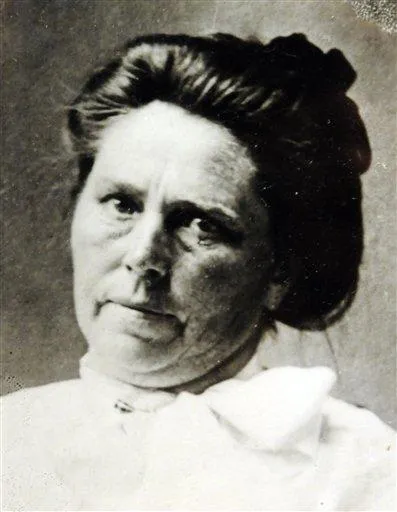
A portrait of Daisy de Melker
The trial of Daisy de Melker
The execution of Daisy de Melker

Daisy de Melker - Primary image
Daisy de Melker - Image 2
Sources
Frequently Asked Questions
Table of Contents
Case Summary
Daisy Louisa C. de Melker, commonly known as Daisy de Melker, was a South African nurse accused of poisoning two of her husbands with strychnine to claim their life insurance. However, she was only found guilty of poisoning her only son with arsenic, the reason for which remains unclear. De Melker was the second woman in South African criminal history to be executed.
June 1, 1886, South Africa(Age: 46)
December 30, 1932 (Execution by hanging)
Case Details
In the annals of South African criminal history, the chilling tale of Daisy Louisa C. de Melker stands out as one of the most sinister. De Melker, a seemingly ordinary nurse, was accused of poisoning two of her husbands using strychnine to claim their life insurance money. However, her conviction and subsequent execution were for the shocking crime of poisoning her only son with arsenic, a crime that remains shrouded in mystery to this day. Thus, she is the second woman to have been hanged in South African criminal history.
Born in 1886 in the Natal Colony, Daisy Louisa Hancorn-Smith was the daughter of a British father and a South African mother. After a fairly nondescript childhood, Daisy trained as a nurse before embarking on a series of marriages that would eventually turn out to be fatal for her husbands. Her first marriage, to Bert Fuller in 1909, ended abruptly when Fuller died suddenly just nine days before the birth of their first child.
The cause of Fuller's death was never officially determined, but it was widely speculated that he died from "Blackwater Fever," a potentially fatal complication of malaria. However, no autopsy was ever performed, and Fuller's life insurance payout went to Daisy, who was pregnant and soon to be a widow.
In 1913, four years after the death of her first husband, Daisy married Robert Sproat, a plumber and handyman. The couple had two sons, Rhodes Cecil and Robert. However, their seemingly idyllic family life was soon overshadowed by a series of inexplicable illnesses and deaths.
Robert Sproat became seriously ill in 1919, suffering from bouts of severe abdominal pain. His condition worsened, and he died in November 1920. The cause of death was attributed to 'Bright's Disease,' a term used to describe kidney diseases. However, like her first husband, no autopsy was performed on Sproat's body. Daisy, once again a widow, collected a sizeable life insurance payout and moved on with her life.
In 1926, Daisy married for a third time to a widower named Sydney Clarence de Melker. However, this marriage would also be marked by tragedy. In 1931, Daisy's son Rhodes Cecil, from her second marriage, died suddenly after a brief illness. Surprisingly, an autopsy was finally conducted, revealing lethal levels of arsenic in his system.
This discovery led to the exhumation of the bodies of Daisy's previous husbands. While no traces of arsenic were found, both bodies contained traces of strychnine, a deadly poison known for its severe muscle convulsions.
The discovery of strychnine in the bodies of her two late husbands and arsenic in her son’s sparked an intensive investigation. The police uncovered evidence of Daisy purchasing arsenic and strychnine from different pharmacies under false pretexts. She was arrested in 1932 and charged with the murders of her son Rhodes Cecil and her two husbands.
During the trial, the prosecution laid out a damning case against Daisy, showing a pattern of deaths, all with the common factor of Daisy and her subsequent collection of life insurance money. The defence argued that the presence of poisons could be explained by medicine used to treat their illnesses, but it was not enough to convince the jury.
After a gruelling 30-day trial, Daisy de Melker was found guilty of murdering her son Rhodes Cecil. The jury could not reach a verdict for the murders of her two husbands. She was sentenced to death and on 30th December 1932, Daisy de Melker was hanged at Pretoria Central Prison, becoming the second woman to be executed in South Africa.
The case of Daisy de Melker caused a media frenzy in South Africa, with the populace following the trial with bated breath and newspapers churning out lurid headlines. Her crimes and subsequent trial were widely covered in the press, both locally and internationally. Public sentiment swung from disbelief to outrage as evidence of her calculated and cold-blooded actions came to light.
Moreover, the case had a profound impact on South African society. It led to a public uproar and calls for stricter regulations on the sale of poisons and stricter enforcement of autopsy procedures in cases of sudden and unexplained deaths. The case also sparked debates about capital punishment and the role of women in society.
The story of Daisy de Melker remains one of South Africa's most notorious criminal cases, a chilling reminder of the capacity for evil in ordinary individuals. It has become a staple in South African true crime literature and has been the subject of multiple books and documentaries. Despite the passage of time, the case continues to hold a grim fascination for many, a testament to the enduring allure of true crime stories.
In conclusion, the case of Daisy de Melker is a chilling tale of greed, deception, and cold-blooded murder. It serves as a grim reminder that even the most ordinary individuals can harbour deadly secrets. Despite the passage of nearly a century, the story of Daisy de Melker continues to captivate audiences, a testament to the enduring appeal of true crime narratives.
Timeline
Marriage to first husband
Daisy marries her first husband, whom she is later accused of poisoning.
Marriage to second husband
Daisy marries her second husband, whom she is also accused of poisoning.
Son's death
Daisy's only son dies from arsenic poisoning, for which she is found guilty.
Conviction
Daisy is convicted of murdering her son.
Execution
Daisy is executed, becoming the second woman to be hanged in South African criminal history.
Crime Location
Photos
A portrait of Daisy de Melker
The trial of Daisy de Melker
The execution of Daisy de Melker
Daisy de Melker - Primary image
Daisy de Melker - Image 2
Sources
Frequently Asked Questions
Related Cases
Convicted
Connection tags:
Convicted
Connection tags:
Convicted
Connection tags:
Alleged
Connection tags:
Convicted
Connection tags:
Convicted
Connection tags:
Popular Culture
book (unknown)
A book that narrates the life and crimes of Daisy de Melker.