4 cases tagged “Victorian-era crime”
Convicted: Dagmar Johanne Amalie Overbye
When Copenhagen police sifted through the cold ashes of a masonry stove in a Vesterbro apartment in the autumn of 1920, they found what they had feared most: charred bone fragments and a small, unmistakable human skull. The apartment belonged to Dagmar Johanne Amalie Overbye, a soft-spoken woman who had built a quiet business promising desperate, unmarried mothers a better life for their newborns. She charged them roughly 200 kroner, shook their hands, and took their babies. Then she burned them alive, drowned them, smothered them, or strangled them, disposing of the remains in her stove, her garden, or the building's loft. Between 1913 and 1920, she confessed to killing 16 infants. Police could physically confirm only 9. She is Denmark's most prolific known serial killer, the first woman sentenced to death in the country since 1861, and the architect, however grotesquely, of the child welfare laws that Denmark passed in 1923. Her nickname, whispered across Copenhagen for a century since, is 'Englemagersken': The Angel Maker. This is her story.
Accused: Enriqueta Martí Ripollés
On the morning of February 10, 1912, Barcelona police broke down the door of a ground-floor apartment on Carrer de Ponent and found something that would haunt the city for generations. Behind a locked interior door sat roughly fifty jars and basins arranged with terrible precision: congealed human blood, rendered fat, hand skeletons, bone dust, and small glass vials of finished elixirs, each one labeled in elegant calligraphy. Cowering in the front room were two children, one of them a five-year-old girl named Teresita who had been missing from the streets of El Raval for only days. The apartment's tenant was a woman named Enriqueta Martí Ripollés. By day, neighbors knew her as a ragged beggar who shuffled through Barcelona's poorest quarters with a child at her side. By night, she was something else entirely: wigged, jeweled, and dressed in silk, moving through the parlors of the city's wealthiest families and selling them preparations she claimed could cure tuberculosis, reverse aging, and treat venereal disease. Preparations made, authorities alleged, from the bodies of the city's most vulnerable children. She became known across Spain as "The Vampire of Barcelona." She was never convicted. She never stood trial. And the full truth of what happened inside that locked room may have been buried, deliberately and permanently, by the very people she served.
Alleged Offender: Belle Sorenson Gunness (born Brynhild Paulsdatter Størseth)
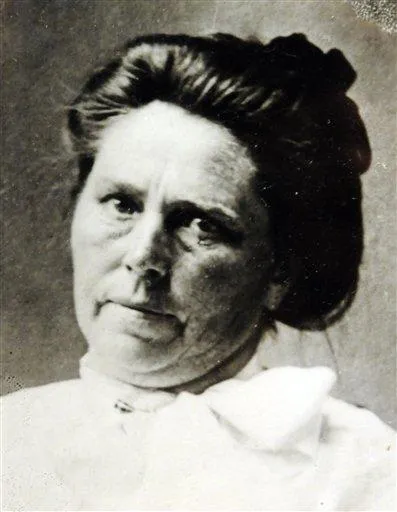
They came to La Porte, Indiana, one by one, with their life savings tucked in their coat pockets and her letters folded in their hands. A warm heart waiting, she had promised. A fine farm. A future. Belle Gunness wrote those letters for years, placing matrimonial advertisements in Norwegian-language newspapers across the Midwest, casting for men who were lonely and solvent and, crucially, willing to tell no one where they were going. When investigators finally dug up her farm in May 1908, they found the answer to where those men had gone: butchered, dismembered, folded into gunny sacks, and buried in shallow graves near the hog pen. More than forty victims lay scattered beneath the Indiana soil. Then the farmhouse burned, a headless torso was found in the ruins, and the question of whether Belle Gunness had died alongside her crimes or simply escaped them has never been definitively answered. One of the most prolific female serial killers in American history, she was never charged with a single murder. This is her story.
Convicted: Clara Hamilton Harris (later Clara Hamilton Harris Rathbone)
She survived the night Abraham Lincoln was shot. She held her fiancé's arm together with her bare hands while his blood soaked her white dress from collar to hem. She stayed until dawn with a screaming, inconsolable Mary Todd Lincoln, absorbing the widow's grief alongside her own. Clara Harris endured all of that — and still, eighteen years later, she never saw her death coming. On the night of December 23, 1883, in a consular residence in Hanover, Germany, her husband Henry Rathbone shot and stabbed her to death in their bedroom while their three children slept nearby. He then turned the knife on himself five or six times. He survived. She did not. A German court found Henry guilty but criminally insane. He was committed to an asylum, where he lived another twenty-seven years, apparently never fully comprehending what he had done. The children were shipped back across the Atlantic. Clara was buried in a foreign city cemetery and eventually disinterred when no family came to tend her grave. This is the story of a woman who sat two feet from history's most famous assassination, and lived to describe it — only to become the victim of a quieter, more intimate one. It is also the story of what trauma does to the people left alive in its wake: how it metastasizes, quietly, over years, until it destroys everything it touches.