Gertrude Nadine Baniszewski

Case Summary
Gertrude Baniszewski was the primary perpetrator in the torture and murder of teenager Sylvia Likens in 1965. Likens was under the care of Baniszewski, who, along with her children and several neighborhood friends, subjected Likens to three months of brutal abuse and neglect. The torture escalated incrementally and culminated in Likens' death from extensive injuries and malnutrition on October 26, 1965, in Indianapolis, Indiana.
September 19, 1928, Indianapolis, Indiana, United States(Age: 61)
June 16, 1990
Related Cases

Convicted
Connection tags:

Convicted
Connection tags:
Convicted
Connection tags:
Convicted
Connection tags:
Convicted
Connection tags:
Convicted
Connection tags:
Case Details
In 1965, a horrendous crime rocked the city of Indianapolis, Indiana, sending shockwaves across the United States and marking a dark spot in American criminal history. The victim, Sylvia Marie Likens, was a bright, innocent teenage girl who found herself in the hands of a sadistic woman, Gertrude Baniszewski, who, along with her children and several neighborhood friends, subjected Sylvia to unspeakable acts of violence and torture. The case, known as The Murder of Sylvia Likens, remains one of the most shocking and horrific crimes to ever occur on American soil.
Gertrude Baniszewski, born on September 19, 1929, in Indianapolis, Indiana, had a tumultuous life characterized by poverty and failed relationships. Married and divorced several times, she was the mother of seven children and often struggled to make ends meet. In 1965, Baniszewski agreed to take in Sylvia and Jenny Likens, the daughters of carnival workers who traveled frequently, for $20 a week. Unfortunately, this seemingly benign arrangement would soon turn into a living nightmare for the Likens sisters.
The abuse began subtly, with Baniszewski beating Sylvia for minor offenses, such as stealing candy or not having enough money to pay for her keep. However, the violence escalated rapidly, with Baniszewski encouraging her children and other neighborhood kids to participate in the torment. Sylvia was subjected to constant beatings, starved, and even forced to eat feces and drink urine. Her frail body was also burned with cigarettes and carved with words like "I'm a prostitute and proud of it."
The abuse lasted for three months, incrementally worsening, before Sylvia died from her extensive injuries and malnourishment on October 26, 1965. Her body was discovered by police officers after an anonymous call alerted them to the crime. The sight of Sylvia's battered and bruised body shocked even the hard-bitten detectives, marking the beginning of a lengthy investigation and legal proceedings.
The police quickly arrested Gertrude Baniszewski, her children Paula, Stephanie, and John, and two neighborhood youths, Coy Hubbard and Richard Hobbs. Baniszewski maintained her innocence throughout the proceedings, accusing the children of committing the acts without her knowledge or consent. The case gained national attention due to its brutality, with media outlets from across the country descending on Indianapolis to cover the trial.
The trial began on May 2, 1966, and lasted for seventeen days. The prosecution painted a grim picture of the abuse suffered by Sylvia at the hands of Baniszewski and her accomplices. Jenny Likens, Sylvia's sister, was the star witness for the prosecution, providing damning testimony about the atrocities committed against her sister. The defense, on the other hand, attempted to portray Baniszewski as a mentally ill woman incapable of controlling her children.
On May 19, 1966, the jury found Gertrude Baniszewski guilty of first-degree murder and she was sentenced to life imprisonment without the possibility of parole. Her children received varying sentences, with Paula and John Baniszewski serving the longest terms. The neighborhood boys, Coy Hubbard and Richard Hobbs, were also found guilty and sentenced to prison.
The case had a profound impact on the public, triggering widespread outrage and revulsion. The media coverage was relentless, with newspapers and television channels reporting every gruesome detail of the crime. The case also prompted a national conversation about child abuse and the responsibility of adults to protect children in their care. It served as a stark reminder of the potential for hidden horrors in seemingly ordinary homes.
Over the years, the case of Sylvia Likens has been the subject of numerous books, films, and documentaries. The most notable among these is the 2007 movie "An American Crime," which starred Ellen Page as Sylvia and Catherine Keener as Gertrude Baniszewski. The film was hailed for its unflinching portrayal of the crime, although it also drew criticism for its graphic content.
Despite the passage of time, the case continues to resonate, often cited as one of the most brutal instances of child abuse in American history. It has also influenced several subsequent investigations and legal cases, serving as a grim benchmark in the annals of crime.
Gertrude Baniszewski served twenty years of her life sentence before being granted parole in 1985, a decision that sparked controversy and renewed public interest in the case. She changed her name to Nadine Van Fossan, moved to Iowa, and lived a quiet life until her death from lung cancer in 1990.
The Murder of Sylvia Likens remains a chilling testament to the depths of human cruelty and the capacity for evil that can lurk in the most unexpected places. It is a case that continues to haunt Indianapolis, a grim reminder of a dark chapter in the city's history that will never be forgotten.
Timeline
Likens becomes Baniszewski's ward
Sylvia Likens becomes a ward of Gertrude Baniszewski and begins living in her house
Abuse begins
The incremental abuse of Sylvia Likens by Gertrude Baniszewski and her children begins
Likens dies
Sylvia Likens dies from her extensive injuries and malnutrition
Baniszewski arrested
Gertrude Baniszewski is arrested for the murder of Sylvia Likens
Baniszewski convicted
Gertrude Baniszewski is convicted for the murder of Sylvia Likens
Crime Location
Photos
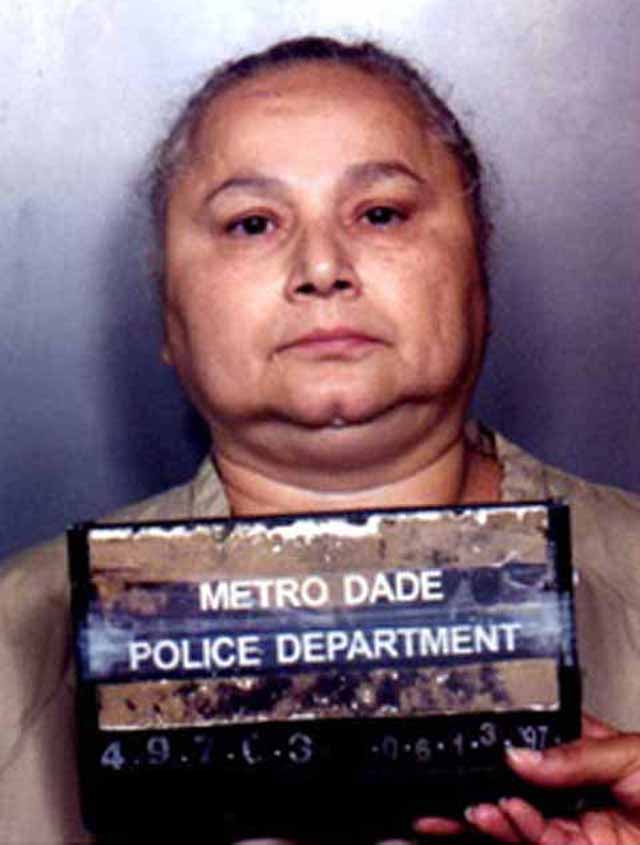
Mugshot of Gertrude Baniszewski
Crime scene photo of Baniszewski's house
Photo of Sylvia Likens

Gertrude Baniszewski - Primary image

Gertrude Baniszewski - Image 2
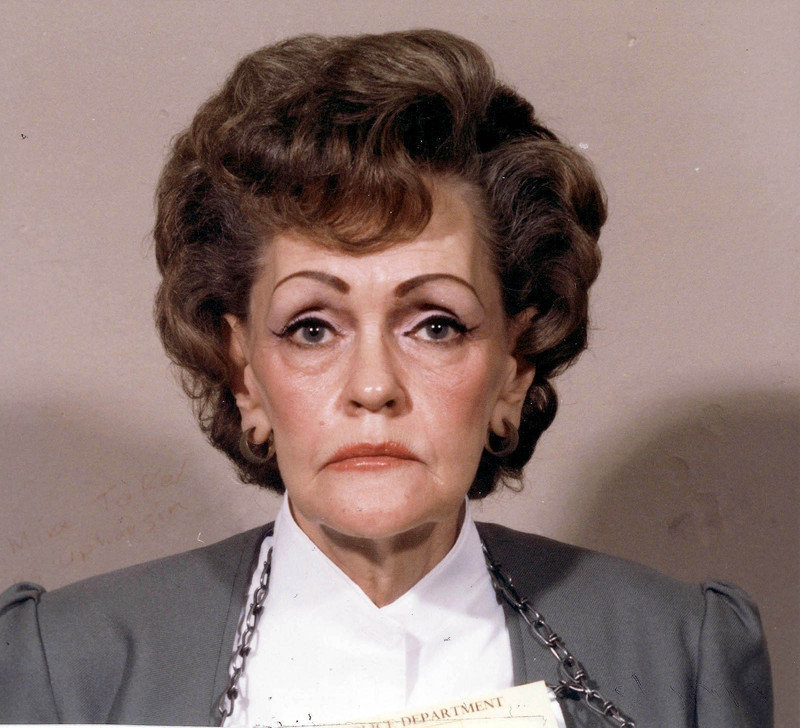
Gertrude Baniszewski - Image 3
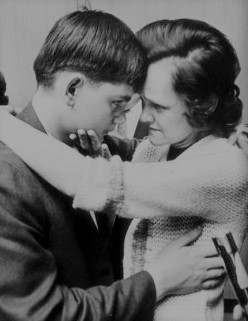
Gertrude Baniszewski - Image 4

Gertrude Baniszewski - Image 5

Gertrude Baniszewski - Image 6

Gertrude Baniszewski - Image 7
Frequently Asked Questions
Table of Contents
Case Summary
Gertrude Baniszewski was the primary perpetrator in the torture and murder of teenager Sylvia Likens in 1965. Likens was under the care of Baniszewski, who, along with her children and several neighborhood friends, subjected Likens to three months of brutal abuse and neglect. The torture escalated incrementally and culminated in Likens' death from extensive injuries and malnutrition on October 26, 1965, in Indianapolis, Indiana.
September 19, 1928, Indianapolis, Indiana, United States(Age: 61)
June 16, 1990
Case Details
In 1965, a horrendous crime rocked the city of Indianapolis, Indiana, sending shockwaves across the United States and marking a dark spot in American criminal history. The victim, Sylvia Marie Likens, was a bright, innocent teenage girl who found herself in the hands of a sadistic woman, Gertrude Baniszewski, who, along with her children and several neighborhood friends, subjected Sylvia to unspeakable acts of violence and torture. The case, known as The Murder of Sylvia Likens, remains one of the most shocking and horrific crimes to ever occur on American soil.
Gertrude Baniszewski, born on September 19, 1929, in Indianapolis, Indiana, had a tumultuous life characterized by poverty and failed relationships. Married and divorced several times, she was the mother of seven children and often struggled to make ends meet. In 1965, Baniszewski agreed to take in Sylvia and Jenny Likens, the daughters of carnival workers who traveled frequently, for $20 a week. Unfortunately, this seemingly benign arrangement would soon turn into a living nightmare for the Likens sisters.
The abuse began subtly, with Baniszewski beating Sylvia for minor offenses, such as stealing candy or not having enough money to pay for her keep. However, the violence escalated rapidly, with Baniszewski encouraging her children and other neighborhood kids to participate in the torment. Sylvia was subjected to constant beatings, starved, and even forced to eat feces and drink urine. Her frail body was also burned with cigarettes and carved with words like "I'm a prostitute and proud of it."
The abuse lasted for three months, incrementally worsening, before Sylvia died from her extensive injuries and malnourishment on October 26, 1965. Her body was discovered by police officers after an anonymous call alerted them to the crime. The sight of Sylvia's battered and bruised body shocked even the hard-bitten detectives, marking the beginning of a lengthy investigation and legal proceedings.
The police quickly arrested Gertrude Baniszewski, her children Paula, Stephanie, and John, and two neighborhood youths, Coy Hubbard and Richard Hobbs. Baniszewski maintained her innocence throughout the proceedings, accusing the children of committing the acts without her knowledge or consent. The case gained national attention due to its brutality, with media outlets from across the country descending on Indianapolis to cover the trial.
The trial began on May 2, 1966, and lasted for seventeen days. The prosecution painted a grim picture of the abuse suffered by Sylvia at the hands of Baniszewski and her accomplices. Jenny Likens, Sylvia's sister, was the star witness for the prosecution, providing damning testimony about the atrocities committed against her sister. The defense, on the other hand, attempted to portray Baniszewski as a mentally ill woman incapable of controlling her children.
On May 19, 1966, the jury found Gertrude Baniszewski guilty of first-degree murder and she was sentenced to life imprisonment without the possibility of parole. Her children received varying sentences, with Paula and John Baniszewski serving the longest terms. The neighborhood boys, Coy Hubbard and Richard Hobbs, were also found guilty and sentenced to prison.
The case had a profound impact on the public, triggering widespread outrage and revulsion. The media coverage was relentless, with newspapers and television channels reporting every gruesome detail of the crime. The case also prompted a national conversation about child abuse and the responsibility of adults to protect children in their care. It served as a stark reminder of the potential for hidden horrors in seemingly ordinary homes.
Over the years, the case of Sylvia Likens has been the subject of numerous books, films, and documentaries. The most notable among these is the 2007 movie "An American Crime," which starred Ellen Page as Sylvia and Catherine Keener as Gertrude Baniszewski. The film was hailed for its unflinching portrayal of the crime, although it also drew criticism for its graphic content.
Despite the passage of time, the case continues to resonate, often cited as one of the most brutal instances of child abuse in American history. It has also influenced several subsequent investigations and legal cases, serving as a grim benchmark in the annals of crime.
Gertrude Baniszewski served twenty years of her life sentence before being granted parole in 1985, a decision that sparked controversy and renewed public interest in the case. She changed her name to Nadine Van Fossan, moved to Iowa, and lived a quiet life until her death from lung cancer in 1990.
The Murder of Sylvia Likens remains a chilling testament to the depths of human cruelty and the capacity for evil that can lurk in the most unexpected places. It is a case that continues to haunt Indianapolis, a grim reminder of a dark chapter in the city's history that will never be forgotten.
Timeline
Likens becomes Baniszewski's ward
Sylvia Likens becomes a ward of Gertrude Baniszewski and begins living in her house
Abuse begins
The incremental abuse of Sylvia Likens by Gertrude Baniszewski and her children begins
Likens dies
Sylvia Likens dies from her extensive injuries and malnutrition
Baniszewski arrested
Gertrude Baniszewski is arrested for the murder of Sylvia Likens
Baniszewski convicted
Gertrude Baniszewski is convicted for the murder of Sylvia Likens
Crime Location
Photos
Mugshot of Gertrude Baniszewski
Crime scene photo of Baniszewski's house
Photo of Sylvia Likens
Gertrude Baniszewski - Primary image
Gertrude Baniszewski - Image 2
Gertrude Baniszewski - Image 3
Gertrude Baniszewski - Image 4
Gertrude Baniszewski - Image 5
Gertrude Baniszewski - Image 6
Gertrude Baniszewski - Image 7
Frequently Asked Questions
Related Cases
Convicted
Connection tags:
Convicted
Connection tags:
Convicted
Connection tags:
Convicted
Connection tags:
Convicted
Connection tags:
Convicted
Connection tags:
Popular Culture
movie (2007)
A film based on the true story of the torture and murder of Sylvia Likens by Gertrude Baniszewski
book (1989)
A novel loosely based on the true story of Sylvia Likens' torture and murder