Elizabeth Báthory

Case Summary
Elizabeth Báthory, a Hungarian noblewoman from the powerful House of Báthory, is notorious for her alleged crimes as a serial killer. Between 1590 and 1610, she and her four accomplices were accused of torturing and killing hundreds of girls and women. The victims were predominantly from the lower classes, and the crimes were purportedly committed in her estates across the Kingdom of Hungary. Báthory's trial resulted in the execution of her servants, while she herself was imprisoned in the Castle of Csejte where she eventually died in 1614.
August 7, 1560, Ecsed, Kingdom of Hungary(Age: 54)
August 21, 1614, Csejte, Kingdom of Hungary
Related Cases

Convicted
Connection tags:

Convicted
Connection tags:

Convicted
Connection tags:
Convicted
Connection tags:

Convicted
Connection tags:

Convicted
Connection tags:
Case Details
The name Elizabeth Báthory, a 16th-century Hungarian countess, carries a chilling echo in the annals of history, her legend tainted with gruesome tales of torture, murder, and an insatiable thirst for youth and beauty. Belonging to the influential House of Báthory, she allegedly orchestrated a series of horrific crimes against hundreds of young women, making her one of history's most notorious female serial killers.
Born in 1560, Báthory was the product of a powerful and noble lineage that boasted kings, cardinals, knights, and judges among its ranks. However, her noble birth didn't shield her from early life hardships. From an early age, she suffered multiple seizures that may have resulted from epilepsy, possibly due to inbreeding within her family. This condition, along with her upbringing in a violent society where brutal punishments were commonplace, might have contributed to her later sadistic tendencies.
At the age of 15, Báthory married Ferenc Nádasdy, a member of another esteemed Hungarian family, and moved to his castle in Čachtice, which is now modern-day Slovakia. The couple had four children, but Nádasdy was frequently absent due to his military obligations, leaving Báthory in charge of their vast estates.
The alleged atrocities began in the late 1590s, after her husband's death, when Báthory's sadistic tendencies purportedly escalated into a bloody reign of terror. Over the course of two decades, Báthory and her four accomplices—Dorottya Szentes, Ilona Jó, Katalin Benická, and János Újváry—were said to have lured, tortured, and murdered hundreds of young girls, most of them peasants. Tales of the countess's brutality grew, with accounts of girls being beaten, burned, mutilated and even eaten. Perhaps the most chilling of all these accounts was the claim that Báthory bathed in the blood of virgins to maintain her youth and beauty, earning her the macabre moniker, "The Blood Countess".
The sheer horror of these deeds gradually caught the attention of the authorities. In 1610, King Matthias II ordered an investigation led by György Thurzó, the Palatine of Hungary. Thurzó's team collected testimonies from over 300 witnesses, including priests, noblemen, and survivors of Báthory's torture, all of whom painted a gruesome picture of the countess's crimes.
On December 26, 1610, Thurzó arrested Báthory along with her accomplices. A trial followed, where the testimonies of the witnesses were presented. The servants confessed under torture, admitting to their role in the killings. The number of victims was highly disputed, varying between 30 to 650, the latter being a number found in one of Báthory’s private books. Given the evidence, the court convicted all defendants. The servants were sentenced to death, but Báthory's noble status saved her from execution. Instead, she was confined within the walls of her own castle.
Elizabeth Báthory spent her remaining years in solitary confinement, bricked within a set of rooms in her own castle with only small slits left open for ventilation and the passing of food. She died in her sleep in 1614, four years after her conviction. Her body was initially buried in the church of Čachtice, but due to local uproar, it was moved to her birth home at Ecsed, where it rests today.
Public reaction to Báthory's crimes was a mix of horror, revulsion, and incredulity. The case dominated Hungarian and Slovakian media, the horrifying details of the crimes leaving an indelible mark on the public consciousness. The infamy of her deeds spread far beyond the borders of Hungary, inspiring countless books, movies, and musical references, thereby immortalizing her in popular culture.
The cultural impact of Báthory's case is profound and far-reaching. Her legend has been the inspiration for numerous works of fiction, particularly in the horror genre. She is often depicted as a vampire or witch due to the infamous blood-bathing tales, and her story has been the basis for several films, books, and even video games.
Elizabeth Báthory's case also had a significant influence on later serial killer cases. She is often compared to other notorious female killers, such as Aileen Wuornos and Myra Hindley. Moreover, her case is frequently discussed in psychological studies of female violence, as it challenges traditional gender norms and the stereotype of women as non-violent.
The tale of the Blood Countess, with its blend of historical fact and gruesome folklore, continues to intrigue and horrify. The case of Elizabeth Báthory remains a chilling reminder of the depths of human cruelty, the corrupting influence of power, and the enduring allure of macabre legends. Even after four centuries, the name Elizabeth Báthory continues to evoke a shiver of fear, her legacy forever etched in the annals of true crime.
Timeline
Start of criminal activities
Elizabeth Báthory allegedly begins torturing and killing girls and women.
Arrest
Báthory and her servants are arrested for their alleged crimes.
Trial begins
The trial of Elizabeth Báthory and her servants commences.
Verdict reached
Báthory's servants are sentenced to death; she is sentenced to life imprisonment.
Death of Elizabeth Báthory
Elizabeth Báthory dies in her sleep while imprisoned in the Castle of Csejte.
Crime Location
Photos
Portrait of Elizabeth Báthory
Castle of Csejte
Depiction of Báthory's trial

Elizabeth Báthory - Primary image
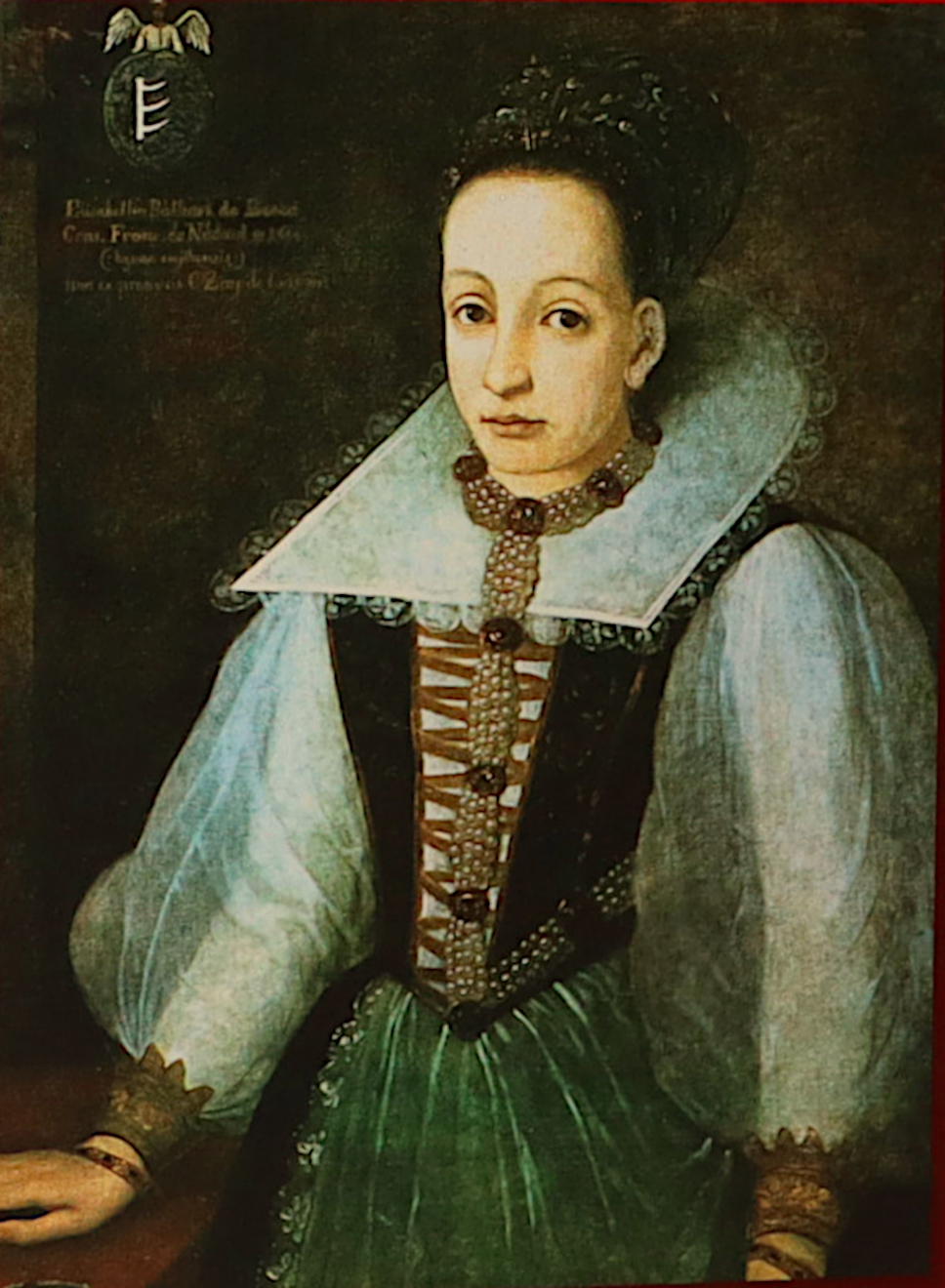
Elizabeth Báthory - Image 2

Elizabeth Báthory - Image 3
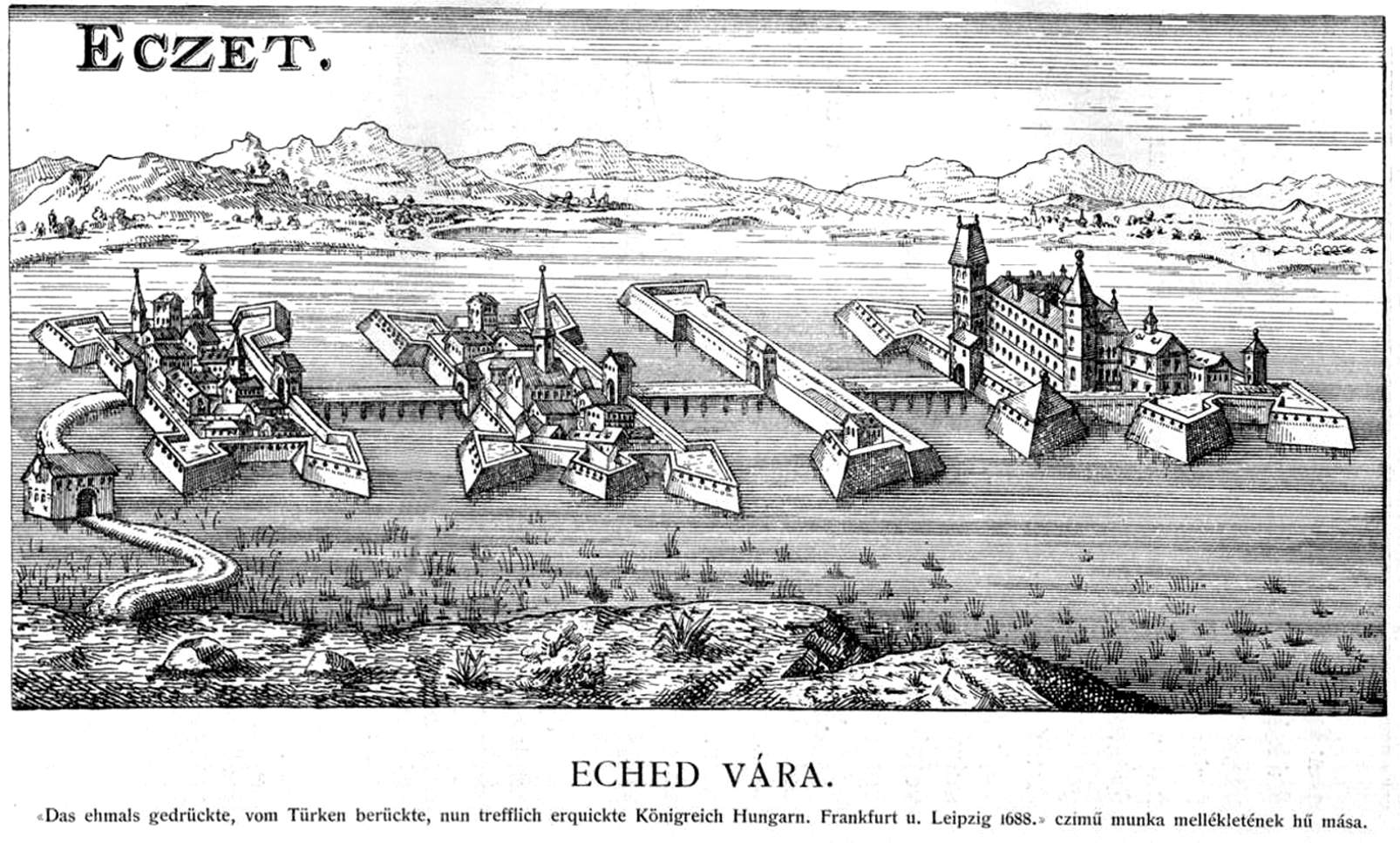
Elizabeth Báthory - Image 4

Elizabeth Báthory - Image 5

Elizabeth Báthory - Image 6
Sources
Frequently Asked Questions
Table of Contents
Case Summary
Elizabeth Báthory, a Hungarian noblewoman from the powerful House of Báthory, is notorious for her alleged crimes as a serial killer. Between 1590 and 1610, she and her four accomplices were accused of torturing and killing hundreds of girls and women. The victims were predominantly from the lower classes, and the crimes were purportedly committed in her estates across the Kingdom of Hungary. Báthory's trial resulted in the execution of her servants, while she herself was imprisoned in the Castle of Csejte where she eventually died in 1614.
August 7, 1560, Ecsed, Kingdom of Hungary(Age: 54)
August 21, 1614, Csejte, Kingdom of Hungary
Case Details
The name Elizabeth Báthory, a 16th-century Hungarian countess, carries a chilling echo in the annals of history, her legend tainted with gruesome tales of torture, murder, and an insatiable thirst for youth and beauty. Belonging to the influential House of Báthory, she allegedly orchestrated a series of horrific crimes against hundreds of young women, making her one of history's most notorious female serial killers.
Born in 1560, Báthory was the product of a powerful and noble lineage that boasted kings, cardinals, knights, and judges among its ranks. However, her noble birth didn't shield her from early life hardships. From an early age, she suffered multiple seizures that may have resulted from epilepsy, possibly due to inbreeding within her family. This condition, along with her upbringing in a violent society where brutal punishments were commonplace, might have contributed to her later sadistic tendencies.
At the age of 15, Báthory married Ferenc Nádasdy, a member of another esteemed Hungarian family, and moved to his castle in Čachtice, which is now modern-day Slovakia. The couple had four children, but Nádasdy was frequently absent due to his military obligations, leaving Báthory in charge of their vast estates.
The alleged atrocities began in the late 1590s, after her husband's death, when Báthory's sadistic tendencies purportedly escalated into a bloody reign of terror. Over the course of two decades, Báthory and her four accomplices—Dorottya Szentes, Ilona Jó, Katalin Benická, and János Újváry—were said to have lured, tortured, and murdered hundreds of young girls, most of them peasants. Tales of the countess's brutality grew, with accounts of girls being beaten, burned, mutilated and even eaten. Perhaps the most chilling of all these accounts was the claim that Báthory bathed in the blood of virgins to maintain her youth and beauty, earning her the macabre moniker, "The Blood Countess".
The sheer horror of these deeds gradually caught the attention of the authorities. In 1610, King Matthias II ordered an investigation led by György Thurzó, the Palatine of Hungary. Thurzó's team collected testimonies from over 300 witnesses, including priests, noblemen, and survivors of Báthory's torture, all of whom painted a gruesome picture of the countess's crimes.
On December 26, 1610, Thurzó arrested Báthory along with her accomplices. A trial followed, where the testimonies of the witnesses were presented. The servants confessed under torture, admitting to their role in the killings. The number of victims was highly disputed, varying between 30 to 650, the latter being a number found in one of Báthory’s private books. Given the evidence, the court convicted all defendants. The servants were sentenced to death, but Báthory's noble status saved her from execution. Instead, she was confined within the walls of her own castle.
Elizabeth Báthory spent her remaining years in solitary confinement, bricked within a set of rooms in her own castle with only small slits left open for ventilation and the passing of food. She died in her sleep in 1614, four years after her conviction. Her body was initially buried in the church of Čachtice, but due to local uproar, it was moved to her birth home at Ecsed, where it rests today.
Public reaction to Báthory's crimes was a mix of horror, revulsion, and incredulity. The case dominated Hungarian and Slovakian media, the horrifying details of the crimes leaving an indelible mark on the public consciousness. The infamy of her deeds spread far beyond the borders of Hungary, inspiring countless books, movies, and musical references, thereby immortalizing her in popular culture.
The cultural impact of Báthory's case is profound and far-reaching. Her legend has been the inspiration for numerous works of fiction, particularly in the horror genre. She is often depicted as a vampire or witch due to the infamous blood-bathing tales, and her story has been the basis for several films, books, and even video games.
Elizabeth Báthory's case also had a significant influence on later serial killer cases. She is often compared to other notorious female killers, such as Aileen Wuornos and Myra Hindley. Moreover, her case is frequently discussed in psychological studies of female violence, as it challenges traditional gender norms and the stereotype of women as non-violent.
The tale of the Blood Countess, with its blend of historical fact and gruesome folklore, continues to intrigue and horrify. The case of Elizabeth Báthory remains a chilling reminder of the depths of human cruelty, the corrupting influence of power, and the enduring allure of macabre legends. Even after four centuries, the name Elizabeth Báthory continues to evoke a shiver of fear, her legacy forever etched in the annals of true crime.
Timeline
Start of criminal activities
Elizabeth Báthory allegedly begins torturing and killing girls and women.
Arrest
Báthory and her servants are arrested for their alleged crimes.
Trial begins
The trial of Elizabeth Báthory and her servants commences.
Verdict reached
Báthory's servants are sentenced to death; she is sentenced to life imprisonment.
Death of Elizabeth Báthory
Elizabeth Báthory dies in her sleep while imprisoned in the Castle of Csejte.
Crime Location
Photos
Portrait of Elizabeth Báthory
Castle of Csejte
Depiction of Báthory's trial
Elizabeth Báthory - Primary image
Elizabeth Báthory - Image 2
Elizabeth Báthory - Image 3
Elizabeth Báthory - Image 4
Elizabeth Báthory - Image 5
Elizabeth Báthory - Image 6
Sources
Frequently Asked Questions
Related Cases
Convicted
Connection tags:
Convicted
Connection tags:
Convicted
Connection tags:
Convicted
Connection tags:
Convicted
Connection tags:
Convicted
Connection tags:
Popular Culture
movie (1971)
A British horror film loosely based on the crimes of Elizabeth Báthory.
book (1995)
A novel by Andrei Codrescu that fictionalizes the story of Elizabeth Báthory.