Juana Dayanara Barraza Samperio

Case Summary
Juana Dayanara Barraza Samperio, a former professional wrestler and a Mexican serial killer, also known as La Mataviejitas, was sentenced to 759 years in prison for the murder of 16 elderly women. The first murder attributed to Mataviejitas has been dated variously to the late 1990s and to a specific killing on 17 November 2003. Estimates of the total number of the Mataviejitas victims range from 42 to 48 deaths. After Barraza's arrest, the case was officially closed despite more than 30 unresolved cases. Two other individuals, Araceli Vázquez and Mario Tablas, were also arrested in 2005 and labelled as The Mataviejitas by police and media.
December 27, 1957, Epazoyucan, Hidalgo, Mexico(Age: 68)
Related Cases
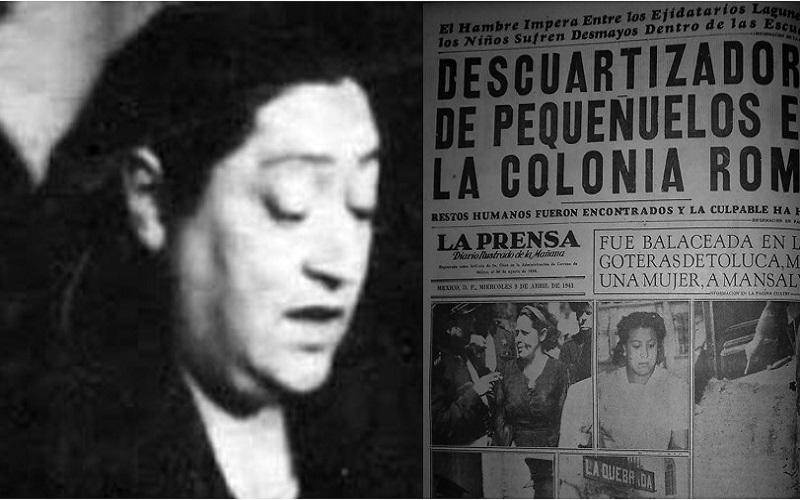
Convicted
Connection tags:

Convicted
Connection tags:

Convicted
Connection tags:

Convicted
Connection tags:
Convicted
Connection tags:

Convicted
Connection tags:
Case Details
In the annals of crime, few stories are as chilling and perplexing as the tale of Juana Dayanara Barraza Samperio. A former professional wrestler turned serial killer, Barraza - also known by her ominous moniker "La Mataviejitas" or "The Old Lady Killer" - terrorized Mexico with a brutal killing spree that spanned nearly a decade. Sentenced to an astounding 759 years in prison for the murders of 16 elderly women, Barraza's story is a macabre blend of violence, deception, and a shocking disregard for human life.
Born on December 27, 1957, in Hidalgo, a rural state in central Mexico, Barraza's early life was as turbulent as it was tragic. Raised in poverty, she was reportedly sold by her alcoholic mother for three beers to a man who repeatedly raped her. The tumult of her childhood undoubtedly left its mark, and some believe it may have played a part in the shocking crimes she would later commit.
Barraza's criminal career is believed to have begun in the late 1990s, although the first murder definitively attributed to her didn't occur until November 17, 2003. The gruesome nature of her crimes and her choice of victims - elderly women who lived alone - quickly captured the public's attention and sent a wave of fear through communities across Mexico City.
The typical modus operandi for the Mataviejitas was a chilling blend of calculation and brutality. Barraza would gain entry into her victims' homes by posing as a government official or nurse, offering to help with paperwork or medical check-ups. Once inside, she would strangle her victims with items found within their homes, such as telephone cables or tights, before robbing them.
The number of victims linked to Barraza varies, with some estimates suggesting she may be responsible for up to 48 deaths. However, after her arrest, the case of the Mataviejitas was officially closed, leaving more than 30 unresolved cases. This decision sparked controversy, with critics arguing that the decision was premature and that more could be done to provide closure for the victims' families.
Barraza's capture came on January 25, 2006, following the murder of her final victim, Ana María de los Reyes Alfaro, 82. A tenant heard Alfaro's apartment door slam and saw a large woman, dressed in red and carrying a stethoscope, leaving the building. This description, along with the fact that Alfaro's death bore the hallmarks of the Mataviejitas’ killings, led to Barraza’s apprehension.
Despite her arrest, Barraza maintained her innocence, claiming she was the victim of mistaken identity. However, her story quickly unraveled. Found in her possession were a stethoscope, pension papers, and a card announcing a wrestling event – the latter linking her to her former career as a professional wrestler, where she performed under the name "The Silent Lady."
During her trial, which began in 2008, Barraza confessed to killing Alfaro but denied involvement in the other murders. The evidence against her was overwhelming, with investigators presenting a compelling case, including her fingerprints found at several crime scenes and the numerous witness testimonies.
In March 2008, Barraza was found guilty of 16 counts of murder and theft and was sentenced to 759 years in prison, one of the longest sentences in Mexican history. Despite the severity of her sentence, under Mexican law, she can only serve a maximum of 60 years.
The case of Juana Barraza sent shockwaves throughout Mexico and drew significant media attention. Newspapers and television networks were filled with stories about the Mataviejitas, stoking public fear and fascination. The fact that a woman - a mother and former wrestler - could be responsible for such horrific crimes was a concept that many found hard to comprehend.
Public reaction to Barraza's crimes and subsequent conviction was mixed. Some saw her as a monster, a cold-blooded killer who preyed on the most vulnerable members of society. Others felt sympathy for Barraza, viewing her actions as the tragic consequence of a difficult life marked by abuse and hardship.
Barraza's story also had a significant cultural impact. It challenged traditional gender stereotypes in Mexico, where women are often portrayed as nurturing and caring. Her crimes served as a stark reminder that violence is not exclusive to any gender.
In the realm of true crime, the case of Juana Barraza is indeed a chilling anomaly. It presents a tragic figure whose life of hardship seemingly culminated in a horrifying killing spree. The scale of her crimes and the fear she instilled in a nation ensure that the story of the Mataviejitas will not soon be forgotten. From the wrestling ring to a life behind bars, Barraza's journey is a harrowing tale of violence, deceit, and the darkest corners of the human psyche.
Timeline
First crime
The first murder attributed to Mataviejitas, dated to the late 1990s.
Specific crime
A specific killing attributed to Mataviejitas.
Arrest of accomplices
Araceli Vázquez and Mario Tablas were arrested and called The Mataviejitas.
Arrest of Juana Barraza
Barraza was arrested in connection with the Mataviejitas murders.
Conviction
Barraza was found guilty and sentenced to 759 years in prison.
Crime Location
Photos
Juana Barraza's mugshot
Crime scene photo
Barraza in court

Juana Barraza - Primary image
Juana Barraza - Image 2

Juana Barraza - Image 3
Sources
Frequently Asked Questions
Table of Contents
Case Summary
Juana Dayanara Barraza Samperio, a former professional wrestler and a Mexican serial killer, also known as La Mataviejitas, was sentenced to 759 years in prison for the murder of 16 elderly women. The first murder attributed to Mataviejitas has been dated variously to the late 1990s and to a specific killing on 17 November 2003. Estimates of the total number of the Mataviejitas victims range from 42 to 48 deaths. After Barraza's arrest, the case was officially closed despite more than 30 unresolved cases. Two other individuals, Araceli Vázquez and Mario Tablas, were also arrested in 2005 and labelled as The Mataviejitas by police and media.
December 27, 1957, Epazoyucan, Hidalgo, Mexico(Age: 68)
Case Details
In the annals of crime, few stories are as chilling and perplexing as the tale of Juana Dayanara Barraza Samperio. A former professional wrestler turned serial killer, Barraza - also known by her ominous moniker "La Mataviejitas" or "The Old Lady Killer" - terrorized Mexico with a brutal killing spree that spanned nearly a decade. Sentenced to an astounding 759 years in prison for the murders of 16 elderly women, Barraza's story is a macabre blend of violence, deception, and a shocking disregard for human life.
Born on December 27, 1957, in Hidalgo, a rural state in central Mexico, Barraza's early life was as turbulent as it was tragic. Raised in poverty, she was reportedly sold by her alcoholic mother for three beers to a man who repeatedly raped her. The tumult of her childhood undoubtedly left its mark, and some believe it may have played a part in the shocking crimes she would later commit.
Barraza's criminal career is believed to have begun in the late 1990s, although the first murder definitively attributed to her didn't occur until November 17, 2003. The gruesome nature of her crimes and her choice of victims - elderly women who lived alone - quickly captured the public's attention and sent a wave of fear through communities across Mexico City.
The typical modus operandi for the Mataviejitas was a chilling blend of calculation and brutality. Barraza would gain entry into her victims' homes by posing as a government official or nurse, offering to help with paperwork or medical check-ups. Once inside, she would strangle her victims with items found within their homes, such as telephone cables or tights, before robbing them.
The number of victims linked to Barraza varies, with some estimates suggesting she may be responsible for up to 48 deaths. However, after her arrest, the case of the Mataviejitas was officially closed, leaving more than 30 unresolved cases. This decision sparked controversy, with critics arguing that the decision was premature and that more could be done to provide closure for the victims' families.
Barraza's capture came on January 25, 2006, following the murder of her final victim, Ana María de los Reyes Alfaro, 82. A tenant heard Alfaro's apartment door slam and saw a large woman, dressed in red and carrying a stethoscope, leaving the building. This description, along with the fact that Alfaro's death bore the hallmarks of the Mataviejitas’ killings, led to Barraza’s apprehension.
Despite her arrest, Barraza maintained her innocence, claiming she was the victim of mistaken identity. However, her story quickly unraveled. Found in her possession were a stethoscope, pension papers, and a card announcing a wrestling event – the latter linking her to her former career as a professional wrestler, where she performed under the name "The Silent Lady."
During her trial, which began in 2008, Barraza confessed to killing Alfaro but denied involvement in the other murders. The evidence against her was overwhelming, with investigators presenting a compelling case, including her fingerprints found at several crime scenes and the numerous witness testimonies.
In March 2008, Barraza was found guilty of 16 counts of murder and theft and was sentenced to 759 years in prison, one of the longest sentences in Mexican history. Despite the severity of her sentence, under Mexican law, she can only serve a maximum of 60 years.
The case of Juana Barraza sent shockwaves throughout Mexico and drew significant media attention. Newspapers and television networks were filled with stories about the Mataviejitas, stoking public fear and fascination. The fact that a woman - a mother and former wrestler - could be responsible for such horrific crimes was a concept that many found hard to comprehend.
Public reaction to Barraza's crimes and subsequent conviction was mixed. Some saw her as a monster, a cold-blooded killer who preyed on the most vulnerable members of society. Others felt sympathy for Barraza, viewing her actions as the tragic consequence of a difficult life marked by abuse and hardship.
Barraza's story also had a significant cultural impact. It challenged traditional gender stereotypes in Mexico, where women are often portrayed as nurturing and caring. Her crimes served as a stark reminder that violence is not exclusive to any gender.
In the realm of true crime, the case of Juana Barraza is indeed a chilling anomaly. It presents a tragic figure whose life of hardship seemingly culminated in a horrifying killing spree. The scale of her crimes and the fear she instilled in a nation ensure that the story of the Mataviejitas will not soon be forgotten. From the wrestling ring to a life behind bars, Barraza's journey is a harrowing tale of violence, deceit, and the darkest corners of the human psyche.
Timeline
First crime
The first murder attributed to Mataviejitas, dated to the late 1990s.
Specific crime
A specific killing attributed to Mataviejitas.
Arrest of accomplices
Araceli Vázquez and Mario Tablas were arrested and called The Mataviejitas.
Arrest of Juana Barraza
Barraza was arrested in connection with the Mataviejitas murders.
Conviction
Barraza was found guilty and sentenced to 759 years in prison.
Crime Location
Photos
Juana Barraza's mugshot
Crime scene photo
Barraza in court
Juana Barraza - Primary image
Juana Barraza - Image 2
Juana Barraza - Image 3
Sources
Frequently Asked Questions
Related Cases
Convicted
Connection tags:
Convicted
Connection tags:
Convicted
Connection tags:
Convicted
Connection tags:
Convicted
Connection tags:
Convicted
Connection tags:
Popular Culture
book (2019)
A book by Susana Vargas Cervantes exploring the crimes of Juana Barraza.