Kimberly Michelle Hricko

Case Summary
On Valentine's Day 1998, guests at the Harbourtowne Golf Resort on Maryland's Eastern Shore laughed through a murder mystery dinner called 'The Bride Who Cried,' a campy audience-participation whodunit where everyone got to play detective. Somewhere in that dining room sat Kimberly Hricko and her husband Steven. By morning, one of them would be dead. Kimberly was a surgical technologist with direct access to succinylcholine, a muscle paralytic that stops breathing and metabolizes so quickly it leaves almost no trace in the body. She had spent months telling friends and coworkers, in precise and specific detail, exactly how she planned to kill her husband: inject him with the drug, set a fire, make it look like a drunken accident. She had even bought the cigars she intended to plant at the scene. When Steven's body was found burned in their hotel bed that night, Kimberly told investigators he must have fallen asleep drunk while smoking. But the autopsy refused to cooperate: no carbon monoxide in his blood, no soot in his airways, no alcohol in his system. Steven Hricko had already stopped breathing before the first flame was lit.
April 29, 1965, State College, Pennsylvania, USA(Age: 32)
February 15, 1998
Related Cases

Convicted
Connection tags:
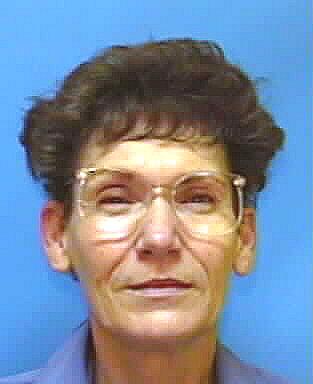
Convicted
Connection tags:
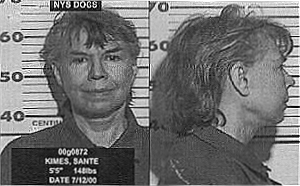
Convicted
Connection tags:

Convicted
Connection tags:

Accused
Connection tags:
Convicted
Connection tags:
Case Details
The guests at Harbourtowne Golf Resort's dinner theater were having the time of their lives on Valentine's Day, 1998. The show was called 'The Bride Who Cried,' a murder mystery performance built around audience participation, the kind of campy whodunit where everyone at the table gets to play detective. Somewhere in that dining room, amid the laughter and the clinking glasses and the theatrical red herrings, sat Kimberly Hricko and her husband Steven. By morning, one of them would be dead.
The resort sat near the colonial waterfront town of St. Michaels, Maryland, on the Eastern Shore of the Chesapeake. The Valentine's package had been arranged through a mutual friend, Mike Miller, who worked at Harbourtowne and booked the stay for the couple. It resembled, on paper, a romantic getaway. Prosecutors would later argue it was the carefully chosen stage for a murder that Kimberly had been announcing, openly, to anyone willing to listen.
Kimberly Michelle Hricko was born on April 29, 1965, and grew up connected to Penn State University in State College, Pennsylvania. It was there, through mutual friends Mike and Maureen Miller, that she met Steven Hricko. The two married in March 1989. They settled in Laurel, Maryland, a suburb split between Washington and Baltimore, and had one daughter, Anna. Steven worked as a golf course superintendent at Patuxent Greens Country Club, a quiet, unglamorous career that suited a steady, uncomplicated man. Kimberly, by contrast, had a job that put powerful drugs directly in her hands.
She was a certified surgical technologist, working in operating rooms where her duties included handling and disposing of unused medications following procedures. From 1995 through December 1997 she worked at Holy Cross Hospital in Silver Spring, Maryland, before moving to Suburban Hospital. Among the controlled substances she encountered regularly was succinylcholine chloride, a fast-acting muscle paralytic used in anesthesia. Succinylcholine works by blocking neuromuscular transmission; it stops breathing while leaving the patient conscious. It metabolizes rapidly, leaving little chemical evidence. For someone who wanted to kill quietly and cleanly, it was nearly ideal.
By the time Kimberly and Steven checked into Harbourtowne on Valentine's Day, their marriage of nine years had curdled badly. Kimberly had already asked Steven for a divorce; he persuaded her to try counseling instead. She was also conducting an affair with a younger man named Brad, a relative of a mutual friend, and she made no particular effort to hide it from the people around her. She talked about Brad openly at work. She talked about the marriage openly too, and about her hatred of it. But she went further than simple venting.
Kimberly described to multiple friends and coworkers, with a specificity that stunned them, how she intended to kill her husband. To her former Penn State roommate Rachel McCoy and to others, she laid out the method in plain terms: inject Steven with succinylcholine, paralyzing him while he remained conscious and aware, then set a fire to make his death look accidental. She discussed this not once but on multiple occasions. Nobody contacted police. Perhaps they thought she was blowing off steam in the melodramatic way of an unhappy person. She was not blowing off steam.
At some point before the Valentine's trip, Kimberly stopped at Astor Home Liquors in the Laurel Shopping Center and purchased a pack of Backwoods cigars. A cashier there later identified her from a photograph as the customer. The cigars would serve a purpose in the narrative she was constructing: they would suggest that Steven, drunk and careless, had fallen asleep smoking and ignited the bedding. The room she and Steven were booked into, Room 506, was a designated non-smoking room. His family confirmed that Steven Hricko had never smoked a cigarette or a cigar in his life.
After the murder mystery dinner concluded on the night of February 14th, the couple returned to their room. What happened inside Room 506 in the hours that followed is drawn from forensic evidence and the theory the jury ultimately accepted. Kimberly injected Steven with succinylcholine, which would have paralyzed him while leaving him conscious, helpless to move or call out. She then poured accelerant on him and set fire to the bed. Before leaving the room, she arranged the scene: a Playboy magazine nearby, two beer bottles positioned to suggest drinking, and the pack of Backwoods cigars she had bought herself placed to imply a careless accident. Then she walked to the main resort building and raised the alarm.
The fire had burned largely within the bed area. When investigators from the Maryland State Fire Marshal's Office arrived, including Deputy Michael Mulligan, they noted the localized burn pattern and set about testing the cover story. They attempted, on multiple occasions, to replicate a fire using the same Backwoods cigars and the same type of Harbourtowne bedding. They could not do it. The cigars simply would not ignite the bedding in the manner the scene implied.
The autopsy delivered the most damaging evidence of all. Dr. David Fowler, Deputy Chief Medical Examiner for Maryland, examined Steven Hricko's body and found no carbon monoxide in his blood, no soot in his lungs or airways. In a fire, a living person who breathes through smoke accumulates both. Steven had accumulated neither. He had not been breathing when the flames burned. There was also no alcohol in his system, directly contradicting Kimberly's account that he had been sloppy drunk that evening. Dr. Fowler listed the official cause of death as probable poisoning.
Kimberly was arrested approximately ten days after Steven's death, around February 25, 1998, charged with first-degree murder and first-degree arson. A formal indictment came roughly three and a half months later. While investigators built their case, they gathered testimony from the friends and coworkers to whom Kimberly had so openly described her plans. Rachel McCoy, the former Penn State roommate, was among the most damaging witnesses the state had. What had seemed, perhaps, like dark venting now read as premeditated confession spoken aloud.
The trial convened in January 1999 in Talbot County Circuit Court before Judge William S. Horne. Talbot County sits on Maryland's Eastern Shore, the same jurisdiction as Harbourtowne Resort. Over five days, the jury of ten women and two men heard testimony from more than forty witnesses. The prosecution built its case methodically: the cigars traced back to Kimberly through the Laurel liquor store cashier; the forensic impossibility of the accidental fire story; the medical evidence that Steven was no longer breathing when the flames started; and the testimony of friends and coworkers who had listened to Kimberly describe the murder plan before it happened.
Kimberly did not testify in her own defense. The jury deliberated for approximately three hours before returning its verdict. First-degree murder. First-degree arson.
At sentencing on March 19, 1999, Judge Horne looked across the courtroom and called Kimberly Hricko a very dangerous person. He sentenced her to life in prison for the murder, with a concurrent thirty-year sentence for the arson. Prosecutor Robert Dean had argued to the jury that Kimberly stood to collect roughly $400,000 from two life insurance policies she had taken out on Steven.
She appealed. On September 27, 2000, the Maryland Court of Special Appeals issued its ruling in Hricko v. State (134 Md. App. 218, 759 A.2d 1107). A three-judge panel comprising Judges Moylan, Thieme, and Sonner unanimously upheld both convictions. Judge Charles E. Moylan Jr. authored the opinion and noted, with unmistakable literary deliberateness, the gothic irony coiled at the heart of the case. The murder mystery dinner the Hrickos attended had been called 'The Bride Who Cried'; his opinion titled the resulting tragedy 'The Widow Who Lied,' a direct echo of the play-within-a-play device in Hamlet. Art had imitated life, and a judge returned the favor in kind.
As of 2018, Kimberly Hricko, then fifty-three years old, remained incarcerated at the Maryland Correctional Institution for Women in Jessup (DOC ID: 915911). From behind those walls, she has written opinion pieces published by The Marshall Project and The Washington Post, advocating on issues of prison conditions and grandparent visitation rights. She has not been granted parole. A friend has reported that Kimberly privately admitted her guilt in the years following her conviction and became a religious convert in prison.
Steven Hricko was thirty-five years old when he died. He was a golf course superintendent from a Maryland suburb, a man described by nothing in the public record as remarkable, which is its own quiet kind of eulogy. He went on a Valentine's weekend trip with his wife, sat through a jokey murder mystery dinner, and went to bed. The people who loved him spent years trying to make sense of what the woman he married had told her friends she planned to do, and told them clearly, and told them more than once.
That fact sits at the center of this case like a cold stone. Kimberly Hricko described, in explicit detail and on multiple occasions, precisely how she intended to commit this murder. She named the drug, explained its properties, outlined the staging, and anticipated the investigation. The planning was not concealed. It was announced. And so the question that lingers long after the verdict is not how she did it. It is why so many people who heard her do nothing, until there was no longer anything left to do for Steven Hricko.
Timeline
Birth and Early Life in Pennsylvania
Kimberly Michelle Hricko was born on April 29, 1965, in State College, Pennsylvania. She would later attend or be associated with Penn State University, where she met her future husband Steven Hricko through mutual friends Mike and Maureen Miller.
Her Penn State social circle would later produce key witnesses against her, including former roommate Rachel McCoy, who testified about Kimberly's detailed murder confessions.
Marriage to Steven Hricko
Kimberly married Steven Hricko in March 1989 in State College, Pennsylvania. The couple settled in Laurel, Maryland, where Steven worked as golf course superintendent at Patuxent Greens Country Club and the couple had a daughter named Anna.
The marriage established the domestic and financial circumstances — including life insurance policies worth approximately $400,000 — that would later form the prosecution's motive argument.
Kimberly Gains Access to Succinylcholine
Kimberly began working as a certified surgical technologist at Holy Cross Hospital in Silver Spring, Maryland, a position she held until December 1997 before moving to Suburban Hospital. Her duties included disposing of unused medicines after surgeries, giving her routine, unsupervised access to succinylcholine chloride, a powerful muscle paralytic.
This access was central to the prosecution's case, as succinylcholine was the alleged murder weapon — a drug Kimberly had specifically named to friends as the substance she would use to kill Steven undetected.
Kimberly Confides Murder Plan to Friends
Over the course of approximately 1997 into early 1998, Kimberly confided to multiple friends and coworkers — most notably her former Penn State roommate Rachel McCoy — that she intended to kill her husband. She described her plan in precise detail: inject Steven with succinylcholine to paralyze and kill him, then set a fire to disguise the death as an accident.
These pre-crime confessions became the most damning evidence at trial, with over 40 witnesses testifying, several of whom had heard Kimberly describe her murder plan in her own words before Steven died.
Murder of Steven Hricko at Harbourtowne Resort
On Valentine's Day 1998, Kimberly and Steven checked into Room 506 at Harbourtowne Golf Resort near St. Michaels, Maryland, for a Valentine's package that included a murder mystery dinner titled 'The Bride Who Cried.' Prosecutors alleged that during the night of February 14–15, Kimberly injected Steven with succinylcholine, paralyzing him while he remained conscious, then poured accelerant on him and set him on fire before staging the scene with a Playboy magazine, Backwoods cigars, and beer bottles to suggest a drunken accidental fire.
The Valentine's Day setting — including the ironic murder mystery dinner — gave the case its dramatic profile and later inspired the Court of Special Appeals to dub it 'The Widow Who Lied,' mirroring the play-within-a-play structure of Hamlet.
Autopsy Reveals No Carbon Monoxide — Death Before Fire
The autopsy of Steven Hricko, conducted by Dr. David Fowler, Deputy Chief Medical Examiner for Maryland, found no carbon monoxide or soot in his lungs or airways, conclusively establishing that Steven was already dead or not breathing before the fire was set. His blood also showed no alcohol, directly contradicting Kimberly's claim that he had been 'sloppy drunk.' The official cause of death was listed as probable poisoning.
The absence of carbon monoxide was the forensic cornerstone of the prosecution's case, scientifically dismantling the accidental fire narrative and pointing unmistakably to homicide.
Arrest of Kimberly Hricko
Approximately ten days after Steven's death, Maryland State Police arrested Kimberly Hricko and charged her with first-degree murder and first-degree arson. Investigators had traced the Backwoods cigars found at the scene to a Laurel liquor store where a cashier identified Kimberly as the buyer, and fire marshals had been unable to replicate an accidental cigar fire using the same materials found in the room.
The arrest came after a rapid convergence of forensic, physical, and testimonial evidence, including the cigar purchase trace and the friends who had already reported Kimberly's pre-crime confessions to investigators.
Trial Begins in Talbot County Circuit Court
Kimberly's five-day trial commenced in Talbot County Circuit Court before Judge William S. Horne, with a jury of ten women and two men. The prosecution called over 40 witnesses, including Rachel McCoy and other friends and coworkers who recounted Kimberly's detailed admissions of her murder plan. Kimberly did not testify in her own defense.
The volume and specificity of witnesses who had heard Kimberly describe the exact method she ultimately used made this one of the most thoroughly pre-confessed murder cases in Maryland criminal history.
Conviction on Murder and Arson Charges
After approximately three hours of deliberation, the jury convicted Kimberly Hricko of both first-degree murder and first-degree arson. The swift verdict reflected the weight of forensic evidence combined with the extraordinary number of witnesses who had heard Kimberly describe her murder plan before Steven's death.
The conviction on both counts ensured Kimberly faced the maximum possible punishment and foreclosed any argument that the fire, rather than poisoning, was the primary criminal act.
Sentencing to Life in Prison
On March 19, 1999, Judge William S. Horne sentenced Kimberly Hricko to life in prison for first-degree murder and a concurrent 30-year term for first-degree arson, calling her 'a very dangerous person.' Prosecutor Robert Dean noted she stood to collect approximately $400,000 from two life insurance policies she had taken out on Steven.
The life sentence without the possibility of parole effectively ended Kimberly's prospects for freedom, and Judge Horne's characterization underscored the premeditated, calculated nature of the crime.
Appeal Unanimously Rejected — 'The Widow Who Lied'
The Maryland Court of Special Appeals, in Hricko v. State (134 Md. App. 218, 759 A.2d 1107), unanimously upheld both convictions in an opinion authored by Judge Charles E. Moylan Jr. The opinion famously drew a Shakespearean parallel, dubbing the case 'The Widow Who Lied' as a mirror to the murder mystery dinner 'The Bride Who Cried,' invoking Hamlet's play-within-a-play. As of 2018, Kimberly remained incarcerated at the Maryland Correctional Institution for Women in Jessup, Maryland (DOC ID: 915911), having written op-eds from prison on conditions and grandparent visitation rights.
The appellate court's unanimous decision closed Kimberly's direct appeal pathway, and Judge Moylan's literary framing gave the case lasting notoriety in Maryland legal and true crime literature.
Crime Location
Sources
- Hricko v. State, 134 Md. App. 218, 759 A.2d 1107 (2000)
- Kimberly Hricko — Murderpedia Entry
- The Murder of Steve Hricko
- Kimberly Hricko — Bonnie's Blog of Crime
- Forensic Files – Season 6, Episode 'Whodunit'
- Snapped – Season 1, Episode 'Kimberly Hricko'
- Op-Ed Contributions from Prison
- Wikipedia: List of Snapped episodes
Frequently Asked Questions
Table of Contents
Case Summary
On Valentine's Day 1998, guests at the Harbourtowne Golf Resort on Maryland's Eastern Shore laughed through a murder mystery dinner called 'The Bride Who Cried,' a campy audience-participation whodunit where everyone got to play detective. Somewhere in that dining room sat Kimberly Hricko and her husband Steven. By morning, one of them would be dead. Kimberly was a surgical technologist with direct access to succinylcholine, a muscle paralytic that stops breathing and metabolizes so quickly it leaves almost no trace in the body. She had spent months telling friends and coworkers, in precise and specific detail, exactly how she planned to kill her husband: inject him with the drug, set a fire, make it look like a drunken accident. She had even bought the cigars she intended to plant at the scene. When Steven's body was found burned in their hotel bed that night, Kimberly told investigators he must have fallen asleep drunk while smoking. But the autopsy refused to cooperate: no carbon monoxide in his blood, no soot in his airways, no alcohol in his system. Steven Hricko had already stopped breathing before the first flame was lit.
April 29, 1965, State College, Pennsylvania, USA(Age: 32)
February 15, 1998
Case Details
The guests at Harbourtowne Golf Resort's dinner theater were having the time of their lives on Valentine's Day, 1998. The show was called 'The Bride Who Cried,' a murder mystery performance built around audience participation, the kind of campy whodunit where everyone at the table gets to play detective. Somewhere in that dining room, amid the laughter and the clinking glasses and the theatrical red herrings, sat Kimberly Hricko and her husband Steven. By morning, one of them would be dead.
The resort sat near the colonial waterfront town of St. Michaels, Maryland, on the Eastern Shore of the Chesapeake. The Valentine's package had been arranged through a mutual friend, Mike Miller, who worked at Harbourtowne and booked the stay for the couple. It resembled, on paper, a romantic getaway. Prosecutors would later argue it was the carefully chosen stage for a murder that Kimberly had been announcing, openly, to anyone willing to listen.
Kimberly Michelle Hricko was born on April 29, 1965, and grew up connected to Penn State University in State College, Pennsylvania. It was there, through mutual friends Mike and Maureen Miller, that she met Steven Hricko. The two married in March 1989. They settled in Laurel, Maryland, a suburb split between Washington and Baltimore, and had one daughter, Anna. Steven worked as a golf course superintendent at Patuxent Greens Country Club, a quiet, unglamorous career that suited a steady, uncomplicated man. Kimberly, by contrast, had a job that put powerful drugs directly in her hands.
She was a certified surgical technologist, working in operating rooms where her duties included handling and disposing of unused medications following procedures. From 1995 through December 1997 she worked at Holy Cross Hospital in Silver Spring, Maryland, before moving to Suburban Hospital. Among the controlled substances she encountered regularly was succinylcholine chloride, a fast-acting muscle paralytic used in anesthesia. Succinylcholine works by blocking neuromuscular transmission; it stops breathing while leaving the patient conscious. It metabolizes rapidly, leaving little chemical evidence. For someone who wanted to kill quietly and cleanly, it was nearly ideal.
By the time Kimberly and Steven checked into Harbourtowne on Valentine's Day, their marriage of nine years had curdled badly. Kimberly had already asked Steven for a divorce; he persuaded her to try counseling instead. She was also conducting an affair with a younger man named Brad, a relative of a mutual friend, and she made no particular effort to hide it from the people around her. She talked about Brad openly at work. She talked about the marriage openly too, and about her hatred of it. But she went further than simple venting.
Kimberly described to multiple friends and coworkers, with a specificity that stunned them, how she intended to kill her husband. To her former Penn State roommate Rachel McCoy and to others, she laid out the method in plain terms: inject Steven with succinylcholine, paralyzing him while he remained conscious and aware, then set a fire to make his death look accidental. She discussed this not once but on multiple occasions. Nobody contacted police. Perhaps they thought she was blowing off steam in the melodramatic way of an unhappy person. She was not blowing off steam.
At some point before the Valentine's trip, Kimberly stopped at Astor Home Liquors in the Laurel Shopping Center and purchased a pack of Backwoods cigars. A cashier there later identified her from a photograph as the customer. The cigars would serve a purpose in the narrative she was constructing: they would suggest that Steven, drunk and careless, had fallen asleep smoking and ignited the bedding. The room she and Steven were booked into, Room 506, was a designated non-smoking room. His family confirmed that Steven Hricko had never smoked a cigarette or a cigar in his life.
After the murder mystery dinner concluded on the night of February 14th, the couple returned to their room. What happened inside Room 506 in the hours that followed is drawn from forensic evidence and the theory the jury ultimately accepted. Kimberly injected Steven with succinylcholine, which would have paralyzed him while leaving him conscious, helpless to move or call out. She then poured accelerant on him and set fire to the bed. Before leaving the room, she arranged the scene: a Playboy magazine nearby, two beer bottles positioned to suggest drinking, and the pack of Backwoods cigars she had bought herself placed to imply a careless accident. Then she walked to the main resort building and raised the alarm.
The fire had burned largely within the bed area. When investigators from the Maryland State Fire Marshal's Office arrived, including Deputy Michael Mulligan, they noted the localized burn pattern and set about testing the cover story. They attempted, on multiple occasions, to replicate a fire using the same Backwoods cigars and the same type of Harbourtowne bedding. They could not do it. The cigars simply would not ignite the bedding in the manner the scene implied.
The autopsy delivered the most damaging evidence of all. Dr. David Fowler, Deputy Chief Medical Examiner for Maryland, examined Steven Hricko's body and found no carbon monoxide in his blood, no soot in his lungs or airways. In a fire, a living person who breathes through smoke accumulates both. Steven had accumulated neither. He had not been breathing when the flames burned. There was also no alcohol in his system, directly contradicting Kimberly's account that he had been sloppy drunk that evening. Dr. Fowler listed the official cause of death as probable poisoning.
Kimberly was arrested approximately ten days after Steven's death, around February 25, 1998, charged with first-degree murder and first-degree arson. A formal indictment came roughly three and a half months later. While investigators built their case, they gathered testimony from the friends and coworkers to whom Kimberly had so openly described her plans. Rachel McCoy, the former Penn State roommate, was among the most damaging witnesses the state had. What had seemed, perhaps, like dark venting now read as premeditated confession spoken aloud.
The trial convened in January 1999 in Talbot County Circuit Court before Judge William S. Horne. Talbot County sits on Maryland's Eastern Shore, the same jurisdiction as Harbourtowne Resort. Over five days, the jury of ten women and two men heard testimony from more than forty witnesses. The prosecution built its case methodically: the cigars traced back to Kimberly through the Laurel liquor store cashier; the forensic impossibility of the accidental fire story; the medical evidence that Steven was no longer breathing when the flames started; and the testimony of friends and coworkers who had listened to Kimberly describe the murder plan before it happened.
Kimberly did not testify in her own defense. The jury deliberated for approximately three hours before returning its verdict. First-degree murder. First-degree arson.
At sentencing on March 19, 1999, Judge Horne looked across the courtroom and called Kimberly Hricko a very dangerous person. He sentenced her to life in prison for the murder, with a concurrent thirty-year sentence for the arson. Prosecutor Robert Dean had argued to the jury that Kimberly stood to collect roughly $400,000 from two life insurance policies she had taken out on Steven.
She appealed. On September 27, 2000, the Maryland Court of Special Appeals issued its ruling in Hricko v. State (134 Md. App. 218, 759 A.2d 1107). A three-judge panel comprising Judges Moylan, Thieme, and Sonner unanimously upheld both convictions. Judge Charles E. Moylan Jr. authored the opinion and noted, with unmistakable literary deliberateness, the gothic irony coiled at the heart of the case. The murder mystery dinner the Hrickos attended had been called 'The Bride Who Cried'; his opinion titled the resulting tragedy 'The Widow Who Lied,' a direct echo of the play-within-a-play device in Hamlet. Art had imitated life, and a judge returned the favor in kind.
As of 2018, Kimberly Hricko, then fifty-three years old, remained incarcerated at the Maryland Correctional Institution for Women in Jessup (DOC ID: 915911). From behind those walls, she has written opinion pieces published by The Marshall Project and The Washington Post, advocating on issues of prison conditions and grandparent visitation rights. She has not been granted parole. A friend has reported that Kimberly privately admitted her guilt in the years following her conviction and became a religious convert in prison.
Steven Hricko was thirty-five years old when he died. He was a golf course superintendent from a Maryland suburb, a man described by nothing in the public record as remarkable, which is its own quiet kind of eulogy. He went on a Valentine's weekend trip with his wife, sat through a jokey murder mystery dinner, and went to bed. The people who loved him spent years trying to make sense of what the woman he married had told her friends she planned to do, and told them clearly, and told them more than once.
That fact sits at the center of this case like a cold stone. Kimberly Hricko described, in explicit detail and on multiple occasions, precisely how she intended to commit this murder. She named the drug, explained its properties, outlined the staging, and anticipated the investigation. The planning was not concealed. It was announced. And so the question that lingers long after the verdict is not how she did it. It is why so many people who heard her do nothing, until there was no longer anything left to do for Steven Hricko.
Timeline
Birth and Early Life in Pennsylvania
Kimberly Michelle Hricko was born on April 29, 1965, in State College, Pennsylvania. She would later attend or be associated with Penn State University, where she met her future husband Steven Hricko through mutual friends Mike and Maureen Miller.
Her Penn State social circle would later produce key witnesses against her, including former roommate Rachel McCoy, who testified about Kimberly's detailed murder confessions.
Marriage to Steven Hricko
Kimberly married Steven Hricko in March 1989 in State College, Pennsylvania. The couple settled in Laurel, Maryland, where Steven worked as golf course superintendent at Patuxent Greens Country Club and the couple had a daughter named Anna.
The marriage established the domestic and financial circumstances — including life insurance policies worth approximately $400,000 — that would later form the prosecution's motive argument.
Kimberly Gains Access to Succinylcholine
Kimberly began working as a certified surgical technologist at Holy Cross Hospital in Silver Spring, Maryland, a position she held until December 1997 before moving to Suburban Hospital. Her duties included disposing of unused medicines after surgeries, giving her routine, unsupervised access to succinylcholine chloride, a powerful muscle paralytic.
This access was central to the prosecution's case, as succinylcholine was the alleged murder weapon — a drug Kimberly had specifically named to friends as the substance she would use to kill Steven undetected.
Kimberly Confides Murder Plan to Friends
Over the course of approximately 1997 into early 1998, Kimberly confided to multiple friends and coworkers — most notably her former Penn State roommate Rachel McCoy — that she intended to kill her husband. She described her plan in precise detail: inject Steven with succinylcholine to paralyze and kill him, then set a fire to disguise the death as an accident.
These pre-crime confessions became the most damning evidence at trial, with over 40 witnesses testifying, several of whom had heard Kimberly describe her murder plan in her own words before Steven died.
Murder of Steven Hricko at Harbourtowne Resort
On Valentine's Day 1998, Kimberly and Steven checked into Room 506 at Harbourtowne Golf Resort near St. Michaels, Maryland, for a Valentine's package that included a murder mystery dinner titled 'The Bride Who Cried.' Prosecutors alleged that during the night of February 14–15, Kimberly injected Steven with succinylcholine, paralyzing him while he remained conscious, then poured accelerant on him and set him on fire before staging the scene with a Playboy magazine, Backwoods cigars, and beer bottles to suggest a drunken accidental fire.
The Valentine's Day setting — including the ironic murder mystery dinner — gave the case its dramatic profile and later inspired the Court of Special Appeals to dub it 'The Widow Who Lied,' mirroring the play-within-a-play structure of Hamlet.
Autopsy Reveals No Carbon Monoxide — Death Before Fire
The autopsy of Steven Hricko, conducted by Dr. David Fowler, Deputy Chief Medical Examiner for Maryland, found no carbon monoxide or soot in his lungs or airways, conclusively establishing that Steven was already dead or not breathing before the fire was set. His blood also showed no alcohol, directly contradicting Kimberly's claim that he had been 'sloppy drunk.' The official cause of death was listed as probable poisoning.
The absence of carbon monoxide was the forensic cornerstone of the prosecution's case, scientifically dismantling the accidental fire narrative and pointing unmistakably to homicide.
Arrest of Kimberly Hricko
Approximately ten days after Steven's death, Maryland State Police arrested Kimberly Hricko and charged her with first-degree murder and first-degree arson. Investigators had traced the Backwoods cigars found at the scene to a Laurel liquor store where a cashier identified Kimberly as the buyer, and fire marshals had been unable to replicate an accidental cigar fire using the same materials found in the room.
The arrest came after a rapid convergence of forensic, physical, and testimonial evidence, including the cigar purchase trace and the friends who had already reported Kimberly's pre-crime confessions to investigators.
Trial Begins in Talbot County Circuit Court
Kimberly's five-day trial commenced in Talbot County Circuit Court before Judge William S. Horne, with a jury of ten women and two men. The prosecution called over 40 witnesses, including Rachel McCoy and other friends and coworkers who recounted Kimberly's detailed admissions of her murder plan. Kimberly did not testify in her own defense.
The volume and specificity of witnesses who had heard Kimberly describe the exact method she ultimately used made this one of the most thoroughly pre-confessed murder cases in Maryland criminal history.
Conviction on Murder and Arson Charges
After approximately three hours of deliberation, the jury convicted Kimberly Hricko of both first-degree murder and first-degree arson. The swift verdict reflected the weight of forensic evidence combined with the extraordinary number of witnesses who had heard Kimberly describe her murder plan before Steven's death.
The conviction on both counts ensured Kimberly faced the maximum possible punishment and foreclosed any argument that the fire, rather than poisoning, was the primary criminal act.
Sentencing to Life in Prison
On March 19, 1999, Judge William S. Horne sentenced Kimberly Hricko to life in prison for first-degree murder and a concurrent 30-year term for first-degree arson, calling her 'a very dangerous person.' Prosecutor Robert Dean noted she stood to collect approximately $400,000 from two life insurance policies she had taken out on Steven.
The life sentence without the possibility of parole effectively ended Kimberly's prospects for freedom, and Judge Horne's characterization underscored the premeditated, calculated nature of the crime.
Appeal Unanimously Rejected — 'The Widow Who Lied'
The Maryland Court of Special Appeals, in Hricko v. State (134 Md. App. 218, 759 A.2d 1107), unanimously upheld both convictions in an opinion authored by Judge Charles E. Moylan Jr. The opinion famously drew a Shakespearean parallel, dubbing the case 'The Widow Who Lied' as a mirror to the murder mystery dinner 'The Bride Who Cried,' invoking Hamlet's play-within-a-play. As of 2018, Kimberly remained incarcerated at the Maryland Correctional Institution for Women in Jessup, Maryland (DOC ID: 915911), having written op-eds from prison on conditions and grandparent visitation rights.
The appellate court's unanimous decision closed Kimberly's direct appeal pathway, and Judge Moylan's literary framing gave the case lasting notoriety in Maryland legal and true crime literature.
Crime Location
Sources
- Hricko v. State, 134 Md. App. 218, 759 A.2d 1107 (2000)
- Kimberly Hricko — Murderpedia Entry
- The Murder of Steve Hricko
- Kimberly Hricko — Bonnie's Blog of Crime
- Forensic Files – Season 6, Episode 'Whodunit'
- Snapped – Season 1, Episode 'Kimberly Hricko'
- Op-Ed Contributions from Prison
- Wikipedia: List of Snapped episodes
Frequently Asked Questions
Related Cases
Convicted
Connection tags:
Convicted
Connection tags:
Convicted
Connection tags:
Convicted
Connection tags:
Accused
Connection tags:
Convicted
Connection tags:
Tags
Popular Culture
TV (2001)
Season 6 episode of Forensic Files examining the forensic evidence used to convict Kimberly Hricko, including succinylcholine poisoning and fire scene analysis.
TV (2004)
Season 1 episode of the Oxygen Network series Snapped profiling Kimberly Hricko's murder of her husband Steven Hricko on Valentine's Day 1998.
TV ()
Episode of the Investigation Discovery series Deadly Women featuring Kimberly Hricko's case as an example of premeditated spousal murder.
TV ()
Episode of the true crime series Sins & Secrets covering the Valentine's Day 1998 murder of Steven Hricko by his wife Kimberly.
TV ()
Episode of New Detectives examining the toxicological and forensic investigation that identified succinylcholine poisoning as the cause of Steven Hricko's death.