Joyce Lemay McDillon Cohen

Case Summary
At 5:25 on a March morning in 1986, Joyce Cohen called 911 from her Coconut Grove mansion and told dispatchers that burglars had shot her millionaire husband four times in the head while he slept. Then she kept police waiting outside the house for more than eight hours. It was the first of many decisions that would define the rest of her life. The story of Joyce Cohen is a portrait of poverty survived and luxury squandered, of a woman who clawed her way from foster homes in Illinois to the highest rungs of Miami society, only to watch it all collapse in a single pre-dawn hour. What followed was a nearly three-year investigation, a sensational trial, a jailhouse informant who failed three polygraphs, and a lead detective who privately believed the whole prosecution theory was wrong. Joyce Cohen has maintained her innocence for nearly four decades. She is in her late seventies now, housed at Homestead Correctional Institution in Florida, with a parole board having pushed her release date to 2048. The mansion is gone. The Jaguars are gone. Stanley Cohen has been in the ground since 1986. And the full truth of what happened that night may never be known.
July 18, 1950, Carpentersville, Illinois, USA(Age: 76)
Related Cases
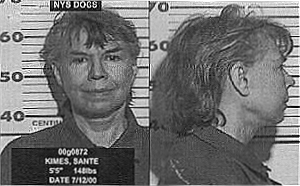
Convicted
Connection tags:

Convicted
Connection tags:
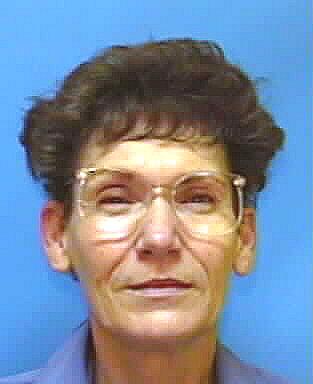
Convicted
Connection tags:

Accused
Connection tags:

Accused
Connection tags:

Convicted
Connection tags:
Case Details
The 911 call came in at 5:25 in the morning. Joyce Cohen's voice was controlled, almost flat, as she told the dispatcher that burglars had broken into her Coconut Grove home and shot her husband. Stanley Cohen, she said, was lying in the second-floor master bedroom. He was not moving.
What happened next was unusual, even by Miami standards. Instead of opening the door for arriving officers, Joyce Cohen kept them outside. For more than eight hours, police stood in the manicured yard of the couple's mansion on Brickell while Joyce, citing fear, refused to let them enter. Detectives were eventually forced to obtain a search warrant just to get inside a house where a man lay dead. Miami's press corps took notice. So did homicide investigators, who would spend the next two and a half years circling back to one inescapable question: what was she hiding?
The answer, prosecutors would ultimately argue, was everything.
Joyce Lemay was born on July 18, 1950, in Carpentersville, Illinois, a small manufacturing town northwest of Chicago. Her father, Bonnie Lemay, was Native American; her mother, Eileen Wojtanek, was of Polish descent. The family was poor, and when her parents separated, Joyce's childhood fractured accordingly. She cycled through foster care, orphanages, and youth homes, the kind of upbringing that leaves marks invisible to everyone except the person carrying them. By 13, she had been expelled from a foster family for stealing and was returned to an aunt. By 17, she was married to her first husband, George McDillon. She had a son, Shawn. She had a life that looked, from the outside, like it was heading somewhere unremarkable.
Then she moved to Florida.
In 1973, Joyce arrived in South Florida and encountered a world she had never seen up close: wealth, ease, and men who collected both like accessories. Stanley Alan Cohen was born on February 8, 1934, in Long Island, New York, and had built SAC Construction into a significant South Florida firm. He was 16 years older than Joyce, had been through multiple divorces, and possessed the confidence of a man who had never doubted his own orbit. They met, and whatever they saw in each other was strong enough that on December 5, 1974, they married at the Dunes Hotel in Las Vegas. Joyce became his fourth wife. Stanley adopted her son Shawn.
For a woman who had eaten institutional food and worn secondhand clothes through most of her adolescence, the life that followed must have felt almost incomprehensible. The couple lived in a mansion in Coconut Grove. They drove Jaguars. They owned a 650-acre ranch in Steamboat Springs, Colorado, and traveled between properties by private jet. Their social circle touched celebrity. Cocaine was plentiful, and both of them used it. The 1970s folded into the 1980s and their world gleamed.
But glittering surfaces rarely hold.
By the early 1980s, the marriage had curdled. Stanley had rekindled an affair with an old flame. The couple had reportedly not been intimate in two years. Joyce's cocaine use had worsened past the point of recreation. And Stanley, perhaps sensing an exit, began to be explicit about what a divorce would mean for her: she would leave with nothing. He had the lawyers, the assets, the leverage. Joyce had a lifestyle she had no independent means to sustain.
On March 7, 1986, Stanley Cohen was 52 years old. He went to sleep in the master bedroom of his Coconut Grove home. Sometime before dawn, someone entered that room and fired four shots from a .38-caliber Smith & Wesson revolver into his head. He did not wake up. The gun used was Stanley's own.
The weapon was found afterward in a stand of ferns in the yard, wiped clean of fingerprints. Joyce told investigators she had been on the phone with a friend in Colorado when the shooting occurred, that she had heard intruders and hidden, that burglars were responsible. It was a coherent story, if an uncomfortable one. Then the forensics came back.
A tissue recovered from the wastebasket in Joyce's bathroom tested positive for gunshot residue. Not just any residue: material that matched particles found stuck in the hammer of the murder weapon itself. Prosecutors would later call it the single most damaging piece of evidence in the case. It was a microscopic thread connecting Joyce's bathroom to the gun that killed her husband.
Still, the investigation moved slowly. Miami homicide detectives built their case through the long, grinding work that real investigations require: interviews, surveillance, informants, dead ends. It was nearly three years before anything broke.
The break, when it came, had a name: Frank Zuccarello. A convicted home-invasion robber, Zuccarello was arrested four days after Stanley Cohen's murder on unrelated charges. In the years that followed, he became the prosecution's central witness. His account was damning. He claimed that Joyce Cohen had hired him and two confederates, Anthony Caracciolo and Tommy Joslin, to murder her husband. Caracciolo was the alleged triggerman. The price, Zuccarello said, was approximately $100,000. The staging as a burglary was deliberate.
On October 23, 1988, police arrested Joyce Cohen at a trailer park in Chesapeake, Virginia, where she was living with a new boyfriend. The woman who had once commuted by private jet was brought back to Miami in handcuffs. She was charged with first-degree murder, conspiracy to commit first-degree murder, and possession of a firearm during the commission of a felony.
Her trial opened on October 10, 1989, in Dade County Circuit Court. The case the prosecution presented was built around motive and evidence. Joyce, they argued, stood to inherit $1.4 million from Stanley's estate, plus approximately $600,000 in insurance and residuals. Divorce, by contrast, would have left her with almost nothing. A woman raised in poverty, now facing a return to it: prosecutors asked the jury to see in that desperation both means and purpose.
The defense attacked the foundation. Zuccarello, they pointed out, had failed three police lie-detector tests. He was a convicted criminal whose credibility was, at minimum, contestable. The entire hired-hit theory rested on his word, and his word, Alan Ross argued, was worth very little.
The jury, eight men and four women, deliberated for approximately ten hours across three days. On November 17, 1989, they found Joyce Cohen guilty on all three counts.
Four days later, Circuit Judge Fredricka Smith delivered the sentence. Life in prison with no possibility of parole for at least 25 years on the murder charge. Fifteen years each for conspiracy and the firearms charge, those two to run concurrently with each other but consecutively to the murder term. The total minimum before parole eligibility: 40 years. The jury had recommended against the death penalty, and the judge agreed.
In 1991, Anthony Caracciolo and Thomas Joslin pleaded no contest to second-degree murder. Caracciolo received 40 years; Joslin received 30. What followed was strange. Both men later publicly denied any involvement in Stanley Cohen's death, claiming they had been pressured into accepting plea deals under the threat of the electric chair. If true, it raised obvious questions about the prosecution's foundational narrative. If false, it was the kind of post-conviction legal maneuvering that courts discount as a matter of course.
The questions didn't go away. In 1993, Miami attorney Carol Soret Cope published "In the Fast Lane: A True Story of Murder in Miami," which disclosed that Zuccarello had failed three police polygraphs, information that had not been admitted at trial. The revelation reopened scrutiny among journalists and legal observers. Then, in 1998, WSVN-7 reporter Gail Bright disclosed something even more unsettling: lead detective Jon Spear had privately told her in 1993 that he believed Joyce Cohen had acted alone in shooting her husband. That belief directly contradicted the hired-hit theory that had sent Joyce to prison. Bright had sat on the information for five years.
If Spear was right, then there was no conspiracy. If there was no conspiracy, the testimony of the prosecution's star witness described events that never occurred. And if Zuccarello's testimony was false, the conviction rested on a foundation that was, at best, questionable.
The courts were unmoved. Joyce Cohen's appeals were exhausted over the years that followed, each one upheld. Her defense attorney Alan Ross continued arguing for a new trial, citing evidence of witness manipulation and false testimony, but the legal system offered no fresh hearing. In 2013, when Joyce became eligible for parole, the board extended her release date to 2048. She would be 98 years old.
The alternative theory the defense had pursued in federal court pointed toward a man named Frank Diaz, a drug-world fugitive who had visited Stanley Cohen's home one week before the murder. The theory went nowhere in court.
Stanley's estate, valued at approximately $2 million and diminished by debts, was lost to Joyce upon her conviction. Her son Shawn received a $106,000 inheritance, which he reportedly spent on drugs. The mansion in Coconut Grove belongs to other people now. The Jaguars, the private jet, the ranch in Colorado: all of it dissolved into the past like something that happened to someone else entirely.
Joyce Cohen is now in her late seventies. She is housed at Homestead Correctional Institution in Florida, where she has been catalogued for decades as inmate No. 161701 in the state's records. She maintains, as she has since the morning she called 911, that she did not kill her husband and did not arrange his death.
What is certain is this: Stanley Cohen was shot four times in the head while he slept, on a quiet March morning in one of Miami's most expensive neighborhoods. His wife delayed police for eight hours. His own gun was found wiped clean in the yard. A tissue from her bathroom contained gunshot residue matching material from the murder weapon's hammer. And the man who testified that Joyce orchestrated the whole thing had failed, three times, to convince a polygraph machine he was telling the truth.
The case has lived for nearly four decades in that unresolved space, compelling precisely because it refuses to settle cleanly into innocence or guilt. True crime readers want a tidy answer. The record in Dade County Circuit Court offers a verdict, which is not quite the same thing. Joyce Cohen was convicted by twelve people who heard the evidence. She was also convicted partly on the testimony of a witness her own prosecutors could not get to pass a lie-detector test.
She sits in Homestead and insists the truth is different from what the jury found. The courts have said otherwise, repeatedly and finally. Stanley Cohen has been dead since 1986. And somewhere between those two facts lies the actual story of what happened in that bedroom, before the sun came up and Joyce reached for the phone.
Timeline
Birth and Troubled Early Life
Joyce Lemay was born on July 18, 1950, in Carpentersville, Illinois, to a Native American father and a Polish-American mother. After her parents separated, she cycled through foster care, orphanages, and youth homes, enduring a childhood marked by poverty and instability. By age 13 she had been expelled from a foster family for stealing and was returned to an aunt.
Her impoverished and unstable upbringing would later be cited by defense attorneys as critical context for understanding her character and motivations.
Marriage to Stanley Cohen in Las Vegas
Joyce Lemay McDillon married millionaire construction developer Stanley Alan Cohen at the Dunes Hotel in Las Vegas, becoming his fourth wife. Stanley was 16 years her senior and had built SAC Construction into a major South Florida firm. He adopted her son Shawn, and the couple embarked on a jet-set lifestyle featuring a Coconut Grove mansion, Jaguars, a 650-acre Colorado ranch, and a private jet.
This marriage placed Joyce at the center of Miami's wealthy elite and ultimately established the financial motive prosecutors would later argue drove her to arrange Stanley's murder.
Marriage Deteriorates Amid Affairs and Addiction
By the early 1980s, the Cohen marriage had collapsed into mutual infidelity, cocaine abuse, and open hostility. Stanley had rekindled a relationship with an old flame, the couple reportedly had not had sex in two years, and Joyce's cocaine addiction had worsened significantly. Stanley warned Joyce directly that she would leave the marriage with nothing if they divorced, setting the stage for the prosecution's financial motive theory.
Stanley's threat to leave Joyce penniless in a divorce was presented by prosecutors as the core motive for the murder-for-hire plot she allegedly orchestrated.
Stanley Cohen Shot Dead in Coconut Grove Home
In the early morning hours of March 7, 1986, Stanley Cohen, age 52, was shot four times in the head with a .38-caliber Smith & Wesson revolver while sleeping in the couple's second-floor master bedroom. Joyce called 911 at 5:25 a.m. claiming burglars had killed her husband and asserting she had been on the phone with a Colorado friend at the time of the shooting. She kept police outside the house for more than eight hours, forcing them to obtain a search warrant — a decision that immediately drew intense media scrutiny.
The murder and Joyce's bizarre post-shooting behavior — particularly barricading police for eight hours — instantly made her the prime suspect in detectives' eyes.
Murder Weapon and Gunshot Residue Discovered
Once police finally gained access to the property, they recovered Stanley's own Smith & Wesson revolver, wiped clean of fingerprints, hidden in a stand of ferns in the yard. A tissue retrieved from Joyce's bathroom wastebasket tested positive for gunshot residue that forensically matched material embedded in the gun's hammer. Prosecutors would later describe this tissue as the single most damaging piece of physical evidence in the entire case.
The gunshot-residue-laden tissue directly linking Joyce's bathroom to the murder weapon became the forensic cornerstone of the prosecution's case against her.
Joyce Cohen Arrested Nearly Three Years After Murder
Nearly three years after Stanley's death, Miami-Dade detectives tracked Joyce Cohen to a trailer park in Chesapeake, Virginia, where she was living with a new boyfriend. She was arrested on October 23, 1988, and charged with first-degree murder, conspiracy to commit first-degree murder, and possession of a firearm during the commission of a felony. The prosecution's case centered on the testimony of convicted home-invasion robber Frank Zuccarello, who claimed Joyce had paid approximately $100,000 to have Stanley killed.
The lengthy delay before arrest reflected the difficulty of building a case reliant on a cooperating criminal witness, and Zuccarello's credibility would become the central battleground at trial.
Trial Begins in Dade County Circuit Court
Joyce Cohen's murder trial opened on October 10, 1989, in Dade County Circuit Court before Judge Fredricka Smith. Prosecutors presented the gunshot-residue tissue, the recovered murder weapon, and the testimony of star witness Frank Zuccarello, who described how Joyce had hired him and alleged triggerman Anthony Caracciolo to stage the killing as a botched burglary. The defense attacked Zuccarello's credibility, noting he had failed three police polygraph examinations — a fact the judge ruled inadmissible before the jury.
The admissibility ruling blocking Zuccarello's failed polygraphs from the jury became one of the most contested and consequential legal decisions of the entire proceeding.
Jury Convicts Joyce Cohen on All Three Counts
After a 3.5-week trial, a jury of eight men and four women deliberated approximately ten hours over three days before returning guilty verdicts on November 17, 1989, on all three counts: first-degree murder, conspiracy to commit murder, and possession of a firearm during a felony. The jury simultaneously recommended against imposing the death penalty. Joyce maintained her innocence and wept as the verdicts were read.
The unanimous guilty verdict on all counts, including the capital charge, cemented Joyce Cohen's place in Miami's most sensational true crime history.
Sentenced to Life with No Parole for 40 Years
Four days after the verdict, Judge Fredricka Smith sentenced Joyce Cohen to life in prison with no possibility of parole for at least 25 years on the murder count, plus 15 years each for conspiracy and the firearms charge — the latter two running concurrently with each other but consecutively to the murder sentence, yielding a minimum 40 years before parole eligibility. The judge accepted the jury's recommendation and declined to impose the death penalty. Joyce's expected inheritance of approximately $2 million from Stanley's estate was forfeited following conviction.
The staggered consecutive sentencing structure ensured Joyce would not be eligible for parole until 2013 at the earliest, and a parole board later extended that date to 2048, making the sentence functionally a life term.
Parole Denied — Release Date Extended to 2048
When Joyce Cohen became eligible for parole consideration in 2013, the parole board voted to extend her release date all the way to 2048, effectively condemning her to die in prison. All post-conviction appeals had been exhausted and upheld by the courts, and defense attorney Alan Ross's decades-long campaign for a new trial — citing newly surfaced evidence of witness manipulation and the 1998 revelation that lead detective Jon Spear privately believed Joyce had acted alone — failed to win relief. As of 2024, Joyce Cohen, in her late 70s, continues to serve her sentence at Homestead Correctional Institution in Florida, still maintaining her innocence.
The parole board's decision to push her release date to 2048 ensured that Joyce Cohen, born in 1950, would almost certainly never leave prison alive, closing the final realistic avenue for freedom.
Crime Location
Sources
- In the Fast Lane: A True Story of Murder in Miami
- Joyce Cohen case coverage — Miami New Times
- WSVN-7 News investigative reports on Joyce Cohen
- Murderpedia — Joyce Cohen profile
- Vanderbilt Television News Archive — Joyce Cohen
- State of Florida v. Joyce Cohen — Dade County Circuit Court
- Wikipedia: Joyce Cohen
Frequently Asked Questions
Table of Contents
Case Summary
At 5:25 on a March morning in 1986, Joyce Cohen called 911 from her Coconut Grove mansion and told dispatchers that burglars had shot her millionaire husband four times in the head while he slept. Then she kept police waiting outside the house for more than eight hours. It was the first of many decisions that would define the rest of her life. The story of Joyce Cohen is a portrait of poverty survived and luxury squandered, of a woman who clawed her way from foster homes in Illinois to the highest rungs of Miami society, only to watch it all collapse in a single pre-dawn hour. What followed was a nearly three-year investigation, a sensational trial, a jailhouse informant who failed three polygraphs, and a lead detective who privately believed the whole prosecution theory was wrong. Joyce Cohen has maintained her innocence for nearly four decades. She is in her late seventies now, housed at Homestead Correctional Institution in Florida, with a parole board having pushed her release date to 2048. The mansion is gone. The Jaguars are gone. Stanley Cohen has been in the ground since 1986. And the full truth of what happened that night may never be known.
July 18, 1950, Carpentersville, Illinois, USA(Age: 76)
Case Details
The 911 call came in at 5:25 in the morning. Joyce Cohen's voice was controlled, almost flat, as she told the dispatcher that burglars had broken into her Coconut Grove home and shot her husband. Stanley Cohen, she said, was lying in the second-floor master bedroom. He was not moving.
What happened next was unusual, even by Miami standards. Instead of opening the door for arriving officers, Joyce Cohen kept them outside. For more than eight hours, police stood in the manicured yard of the couple's mansion on Brickell while Joyce, citing fear, refused to let them enter. Detectives were eventually forced to obtain a search warrant just to get inside a house where a man lay dead. Miami's press corps took notice. So did homicide investigators, who would spend the next two and a half years circling back to one inescapable question: what was she hiding?
The answer, prosecutors would ultimately argue, was everything.
Joyce Lemay was born on July 18, 1950, in Carpentersville, Illinois, a small manufacturing town northwest of Chicago. Her father, Bonnie Lemay, was Native American; her mother, Eileen Wojtanek, was of Polish descent. The family was poor, and when her parents separated, Joyce's childhood fractured accordingly. She cycled through foster care, orphanages, and youth homes, the kind of upbringing that leaves marks invisible to everyone except the person carrying them. By 13, she had been expelled from a foster family for stealing and was returned to an aunt. By 17, she was married to her first husband, George McDillon. She had a son, Shawn. She had a life that looked, from the outside, like it was heading somewhere unremarkable.
Then she moved to Florida.
In 1973, Joyce arrived in South Florida and encountered a world she had never seen up close: wealth, ease, and men who collected both like accessories. Stanley Alan Cohen was born on February 8, 1934, in Long Island, New York, and had built SAC Construction into a significant South Florida firm. He was 16 years older than Joyce, had been through multiple divorces, and possessed the confidence of a man who had never doubted his own orbit. They met, and whatever they saw in each other was strong enough that on December 5, 1974, they married at the Dunes Hotel in Las Vegas. Joyce became his fourth wife. Stanley adopted her son Shawn.
For a woman who had eaten institutional food and worn secondhand clothes through most of her adolescence, the life that followed must have felt almost incomprehensible. The couple lived in a mansion in Coconut Grove. They drove Jaguars. They owned a 650-acre ranch in Steamboat Springs, Colorado, and traveled between properties by private jet. Their social circle touched celebrity. Cocaine was plentiful, and both of them used it. The 1970s folded into the 1980s and their world gleamed.
But glittering surfaces rarely hold.
By the early 1980s, the marriage had curdled. Stanley had rekindled an affair with an old flame. The couple had reportedly not been intimate in two years. Joyce's cocaine use had worsened past the point of recreation. And Stanley, perhaps sensing an exit, began to be explicit about what a divorce would mean for her: she would leave with nothing. He had the lawyers, the assets, the leverage. Joyce had a lifestyle she had no independent means to sustain.
On March 7, 1986, Stanley Cohen was 52 years old. He went to sleep in the master bedroom of his Coconut Grove home. Sometime before dawn, someone entered that room and fired four shots from a .38-caliber Smith & Wesson revolver into his head. He did not wake up. The gun used was Stanley's own.
The weapon was found afterward in a stand of ferns in the yard, wiped clean of fingerprints. Joyce told investigators she had been on the phone with a friend in Colorado when the shooting occurred, that she had heard intruders and hidden, that burglars were responsible. It was a coherent story, if an uncomfortable one. Then the forensics came back.
A tissue recovered from the wastebasket in Joyce's bathroom tested positive for gunshot residue. Not just any residue: material that matched particles found stuck in the hammer of the murder weapon itself. Prosecutors would later call it the single most damaging piece of evidence in the case. It was a microscopic thread connecting Joyce's bathroom to the gun that killed her husband.
Still, the investigation moved slowly. Miami homicide detectives built their case through the long, grinding work that real investigations require: interviews, surveillance, informants, dead ends. It was nearly three years before anything broke.
The break, when it came, had a name: Frank Zuccarello. A convicted home-invasion robber, Zuccarello was arrested four days after Stanley Cohen's murder on unrelated charges. In the years that followed, he became the prosecution's central witness. His account was damning. He claimed that Joyce Cohen had hired him and two confederates, Anthony Caracciolo and Tommy Joslin, to murder her husband. Caracciolo was the alleged triggerman. The price, Zuccarello said, was approximately $100,000. The staging as a burglary was deliberate.
On October 23, 1988, police arrested Joyce Cohen at a trailer park in Chesapeake, Virginia, where she was living with a new boyfriend. The woman who had once commuted by private jet was brought back to Miami in handcuffs. She was charged with first-degree murder, conspiracy to commit first-degree murder, and possession of a firearm during the commission of a felony.
Her trial opened on October 10, 1989, in Dade County Circuit Court. The case the prosecution presented was built around motive and evidence. Joyce, they argued, stood to inherit $1.4 million from Stanley's estate, plus approximately $600,000 in insurance and residuals. Divorce, by contrast, would have left her with almost nothing. A woman raised in poverty, now facing a return to it: prosecutors asked the jury to see in that desperation both means and purpose.
The defense attacked the foundation. Zuccarello, they pointed out, had failed three police lie-detector tests. He was a convicted criminal whose credibility was, at minimum, contestable. The entire hired-hit theory rested on his word, and his word, Alan Ross argued, was worth very little.
The jury, eight men and four women, deliberated for approximately ten hours across three days. On November 17, 1989, they found Joyce Cohen guilty on all three counts.
Four days later, Circuit Judge Fredricka Smith delivered the sentence. Life in prison with no possibility of parole for at least 25 years on the murder charge. Fifteen years each for conspiracy and the firearms charge, those two to run concurrently with each other but consecutively to the murder term. The total minimum before parole eligibility: 40 years. The jury had recommended against the death penalty, and the judge agreed.
In 1991, Anthony Caracciolo and Thomas Joslin pleaded no contest to second-degree murder. Caracciolo received 40 years; Joslin received 30. What followed was strange. Both men later publicly denied any involvement in Stanley Cohen's death, claiming they had been pressured into accepting plea deals under the threat of the electric chair. If true, it raised obvious questions about the prosecution's foundational narrative. If false, it was the kind of post-conviction legal maneuvering that courts discount as a matter of course.
The questions didn't go away. In 1993, Miami attorney Carol Soret Cope published "In the Fast Lane: A True Story of Murder in Miami," which disclosed that Zuccarello had failed three police polygraphs, information that had not been admitted at trial. The revelation reopened scrutiny among journalists and legal observers. Then, in 1998, WSVN-7 reporter Gail Bright disclosed something even more unsettling: lead detective Jon Spear had privately told her in 1993 that he believed Joyce Cohen had acted alone in shooting her husband. That belief directly contradicted the hired-hit theory that had sent Joyce to prison. Bright had sat on the information for five years.
If Spear was right, then there was no conspiracy. If there was no conspiracy, the testimony of the prosecution's star witness described events that never occurred. And if Zuccarello's testimony was false, the conviction rested on a foundation that was, at best, questionable.
The courts were unmoved. Joyce Cohen's appeals were exhausted over the years that followed, each one upheld. Her defense attorney Alan Ross continued arguing for a new trial, citing evidence of witness manipulation and false testimony, but the legal system offered no fresh hearing. In 2013, when Joyce became eligible for parole, the board extended her release date to 2048. She would be 98 years old.
The alternative theory the defense had pursued in federal court pointed toward a man named Frank Diaz, a drug-world fugitive who had visited Stanley Cohen's home one week before the murder. The theory went nowhere in court.
Stanley's estate, valued at approximately $2 million and diminished by debts, was lost to Joyce upon her conviction. Her son Shawn received a $106,000 inheritance, which he reportedly spent on drugs. The mansion in Coconut Grove belongs to other people now. The Jaguars, the private jet, the ranch in Colorado: all of it dissolved into the past like something that happened to someone else entirely.
Joyce Cohen is now in her late seventies. She is housed at Homestead Correctional Institution in Florida, where she has been catalogued for decades as inmate No. 161701 in the state's records. She maintains, as she has since the morning she called 911, that she did not kill her husband and did not arrange his death.
What is certain is this: Stanley Cohen was shot four times in the head while he slept, on a quiet March morning in one of Miami's most expensive neighborhoods. His wife delayed police for eight hours. His own gun was found wiped clean in the yard. A tissue from her bathroom contained gunshot residue matching material from the murder weapon's hammer. And the man who testified that Joyce orchestrated the whole thing had failed, three times, to convince a polygraph machine he was telling the truth.
The case has lived for nearly four decades in that unresolved space, compelling precisely because it refuses to settle cleanly into innocence or guilt. True crime readers want a tidy answer. The record in Dade County Circuit Court offers a verdict, which is not quite the same thing. Joyce Cohen was convicted by twelve people who heard the evidence. She was also convicted partly on the testimony of a witness her own prosecutors could not get to pass a lie-detector test.
She sits in Homestead and insists the truth is different from what the jury found. The courts have said otherwise, repeatedly and finally. Stanley Cohen has been dead since 1986. And somewhere between those two facts lies the actual story of what happened in that bedroom, before the sun came up and Joyce reached for the phone.
Timeline
Birth and Troubled Early Life
Joyce Lemay was born on July 18, 1950, in Carpentersville, Illinois, to a Native American father and a Polish-American mother. After her parents separated, she cycled through foster care, orphanages, and youth homes, enduring a childhood marked by poverty and instability. By age 13 she had been expelled from a foster family for stealing and was returned to an aunt.
Her impoverished and unstable upbringing would later be cited by defense attorneys as critical context for understanding her character and motivations.
Marriage to Stanley Cohen in Las Vegas
Joyce Lemay McDillon married millionaire construction developer Stanley Alan Cohen at the Dunes Hotel in Las Vegas, becoming his fourth wife. Stanley was 16 years her senior and had built SAC Construction into a major South Florida firm. He adopted her son Shawn, and the couple embarked on a jet-set lifestyle featuring a Coconut Grove mansion, Jaguars, a 650-acre Colorado ranch, and a private jet.
This marriage placed Joyce at the center of Miami's wealthy elite and ultimately established the financial motive prosecutors would later argue drove her to arrange Stanley's murder.
Marriage Deteriorates Amid Affairs and Addiction
By the early 1980s, the Cohen marriage had collapsed into mutual infidelity, cocaine abuse, and open hostility. Stanley had rekindled a relationship with an old flame, the couple reportedly had not had sex in two years, and Joyce's cocaine addiction had worsened significantly. Stanley warned Joyce directly that she would leave the marriage with nothing if they divorced, setting the stage for the prosecution's financial motive theory.
Stanley's threat to leave Joyce penniless in a divorce was presented by prosecutors as the core motive for the murder-for-hire plot she allegedly orchestrated.
Stanley Cohen Shot Dead in Coconut Grove Home
In the early morning hours of March 7, 1986, Stanley Cohen, age 52, was shot four times in the head with a .38-caliber Smith & Wesson revolver while sleeping in the couple's second-floor master bedroom. Joyce called 911 at 5:25 a.m. claiming burglars had killed her husband and asserting she had been on the phone with a Colorado friend at the time of the shooting. She kept police outside the house for more than eight hours, forcing them to obtain a search warrant — a decision that immediately drew intense media scrutiny.
The murder and Joyce's bizarre post-shooting behavior — particularly barricading police for eight hours — instantly made her the prime suspect in detectives' eyes.
Murder Weapon and Gunshot Residue Discovered
Once police finally gained access to the property, they recovered Stanley's own Smith & Wesson revolver, wiped clean of fingerprints, hidden in a stand of ferns in the yard. A tissue retrieved from Joyce's bathroom wastebasket tested positive for gunshot residue that forensically matched material embedded in the gun's hammer. Prosecutors would later describe this tissue as the single most damaging piece of physical evidence in the entire case.
The gunshot-residue-laden tissue directly linking Joyce's bathroom to the murder weapon became the forensic cornerstone of the prosecution's case against her.
Joyce Cohen Arrested Nearly Three Years After Murder
Nearly three years after Stanley's death, Miami-Dade detectives tracked Joyce Cohen to a trailer park in Chesapeake, Virginia, where she was living with a new boyfriend. She was arrested on October 23, 1988, and charged with first-degree murder, conspiracy to commit first-degree murder, and possession of a firearm during the commission of a felony. The prosecution's case centered on the testimony of convicted home-invasion robber Frank Zuccarello, who claimed Joyce had paid approximately $100,000 to have Stanley killed.
The lengthy delay before arrest reflected the difficulty of building a case reliant on a cooperating criminal witness, and Zuccarello's credibility would become the central battleground at trial.
Trial Begins in Dade County Circuit Court
Joyce Cohen's murder trial opened on October 10, 1989, in Dade County Circuit Court before Judge Fredricka Smith. Prosecutors presented the gunshot-residue tissue, the recovered murder weapon, and the testimony of star witness Frank Zuccarello, who described how Joyce had hired him and alleged triggerman Anthony Caracciolo to stage the killing as a botched burglary. The defense attacked Zuccarello's credibility, noting he had failed three police polygraph examinations — a fact the judge ruled inadmissible before the jury.
The admissibility ruling blocking Zuccarello's failed polygraphs from the jury became one of the most contested and consequential legal decisions of the entire proceeding.
Jury Convicts Joyce Cohen on All Three Counts
After a 3.5-week trial, a jury of eight men and four women deliberated approximately ten hours over three days before returning guilty verdicts on November 17, 1989, on all three counts: first-degree murder, conspiracy to commit murder, and possession of a firearm during a felony. The jury simultaneously recommended against imposing the death penalty. Joyce maintained her innocence and wept as the verdicts were read.
The unanimous guilty verdict on all counts, including the capital charge, cemented Joyce Cohen's place in Miami's most sensational true crime history.
Sentenced to Life with No Parole for 40 Years
Four days after the verdict, Judge Fredricka Smith sentenced Joyce Cohen to life in prison with no possibility of parole for at least 25 years on the murder count, plus 15 years each for conspiracy and the firearms charge — the latter two running concurrently with each other but consecutively to the murder sentence, yielding a minimum 40 years before parole eligibility. The judge accepted the jury's recommendation and declined to impose the death penalty. Joyce's expected inheritance of approximately $2 million from Stanley's estate was forfeited following conviction.
The staggered consecutive sentencing structure ensured Joyce would not be eligible for parole until 2013 at the earliest, and a parole board later extended that date to 2048, making the sentence functionally a life term.
Parole Denied — Release Date Extended to 2048
When Joyce Cohen became eligible for parole consideration in 2013, the parole board voted to extend her release date all the way to 2048, effectively condemning her to die in prison. All post-conviction appeals had been exhausted and upheld by the courts, and defense attorney Alan Ross's decades-long campaign for a new trial — citing newly surfaced evidence of witness manipulation and the 1998 revelation that lead detective Jon Spear privately believed Joyce had acted alone — failed to win relief. As of 2024, Joyce Cohen, in her late 70s, continues to serve her sentence at Homestead Correctional Institution in Florida, still maintaining her innocence.
The parole board's decision to push her release date to 2048 ensured that Joyce Cohen, born in 1950, would almost certainly never leave prison alive, closing the final realistic avenue for freedom.
Crime Location
Sources
- In the Fast Lane: A True Story of Murder in Miami
- Joyce Cohen case coverage — Miami New Times
- WSVN-7 News investigative reports on Joyce Cohen
- Murderpedia — Joyce Cohen profile
- Vanderbilt Television News Archive — Joyce Cohen
- State of Florida v. Joyce Cohen — Dade County Circuit Court
- Wikipedia: Joyce Cohen
Frequently Asked Questions
Related Cases
Convicted
Connection tags:
Convicted
Connection tags:
Convicted
Connection tags:
Accused
Connection tags:
Accused
Connection tags:
Convicted
Connection tags:
Tags
Popular Culture
book (1993)
Carol Soret Cope's detailed account of the Joyce Cohen case, covering the lavish lifestyle of the Cohens, the murder of Stanley Cohen, the investigation, and the controversial trial — including the revelation that key witness Frank Zuccarello failed three polygraphs.
TV (1998)
Miami television investigative segment by reporter Gail Bright revealing that lead detective Jon Spear privately believed Joyce acted alone, contradicting the prosecution's for-hire murder theory.