2 cases tagged “prolific killer”
Convicted: Mary Ann Cotton (née Robson)
'I won't be troubled long. He'll go like all the rest of the Cottons.' That was Mary Ann Cotton's assessment of her seven-year-old stepson Charles Edward, delivered to a parish official in West Auckland, County Durham, in the spring of 1872. Five days later, the boy was dead. It was the statement that finally brought her down. By the time investigators began pulling at the thread, they found two decades of bodies behind it: eleven of her thirteen children, three of her four husbands, her own mother, and a string of lodgers and stepchildren, each one dead of 'gastric fever,' each one insured, each one mourned briefly and then forgotten. The death toll, historians estimate, may have reached twenty-one. Mary Ann Cotton was a nurse, a mother, a wife. She was trusted by the sick she nursed and by the physicians who signed off on her victims' deaths. She understood, precisely, that Victorian medicine would not look twice at a working-class child dying of gastroenteritis. She killed for insurance money: modest sums, accumulated over years, in exchange for the lives of nearly everyone who had ever depended on her. She was only ever convicted of one murder. She was hanged in Durham County Gaol on March 24, 1873, in a botched execution that left her strangling at the end of a too-short rope. She was forty years old. The full story of what she did is both a portrait of individual evil and an indictment of a system that made it catastrophically easy.
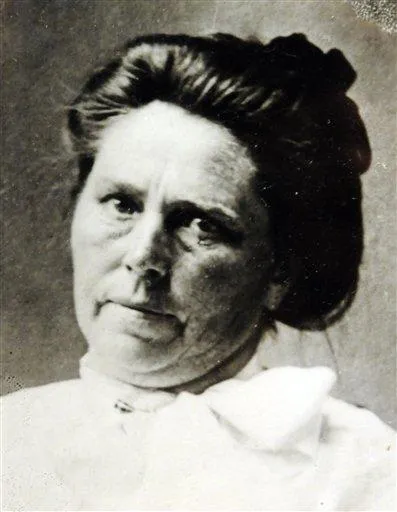
Alleged Offender: Belle Sorenson Gunness (born Brynhild Paulsdatter Størseth)
They came to La Porte, Indiana, one by one, with their life savings tucked in their coat pockets and her letters folded in their hands. A warm heart waiting, she had promised. A fine farm. A future. Belle Gunness wrote those letters for years, placing matrimonial advertisements in Norwegian-language newspapers across the Midwest, casting for men who were lonely and solvent and, crucially, willing to tell no one where they were going. When investigators finally dug up her farm in May 1908, they found the answer to where those men had gone: butchered, dismembered, folded into gunny sacks, and buried in shallow graves near the hog pen. More than forty victims lay scattered beneath the Indiana soil. Then the farmhouse burned, a headless torso was found in the ruins, and the question of whether Belle Gunness had died alongside her crimes or simply escaped them has never been definitively answered. One of the most prolific female serial killers in American history, she was never charged with a single murder. This is her story.