Murder

77 cases · Violent Crime

Myra Hindley
closedConvictedHistorical

Myra Hindley

Convicted: Myra Hindley

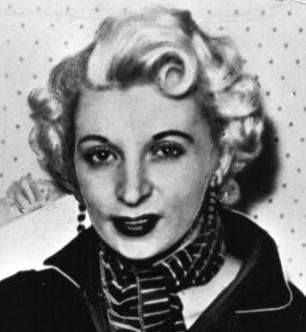
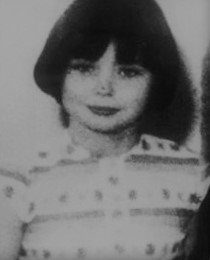
On the morning of October 7, 1965, eighteen-year-old David Smith walked to a public telephone box in Hattersley, Greater Manchester, hands shaking, and dialed 999. The night before, he had watched his brother-in-law bludgeon a seventeen-year-old to death with an axe. The brother-in-law was Ian Brady. The woman who had invited him to witness it was Myra Hindley. What that phone call exposed would redefine evil in the British imagination for generations. Between 1963 and 1965, Brady and Hindley abducted five children and teenagers from the streets of Greater Manchester, sexually assaulted them, and buried four in shallow graves on the desolate expanse of Saddleworth Moor. The fifth was killed in Hindley's living room. The evidence police found inside that house was staggering in its horror: photographs of a ten-year-old girl bound and gagged in Hindley's bedroom, and sixteen minutes of audio tape capturing that same child's final, agonized moments. A luggage ticket for the suitcase containing these materials was found hidden inside the spine of Hindley's Catholic prayer book. Myra Hindley would spend thirty-six years in prison, applying repeatedly for parole, insisting she had changed. The British public never believed her. One of her victims, Keith Bennett, has never been found. His mother died in 2012, still waiting. This is the story of how an ordinary girl from Gorton became the most reviled woman in British criminal history.

Myra HindleyMoors Murders
Celeste Beard Johnson
appealedConvictedHistorical

Celeste Beard Johnson

Convicted: Celeste Beard Johnson

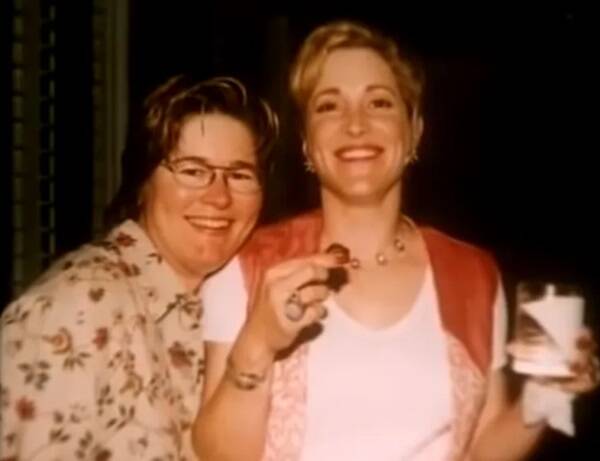
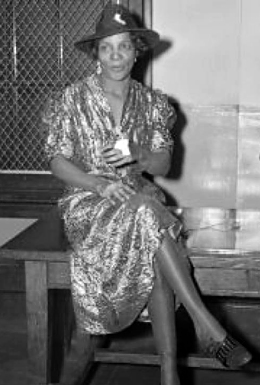
At 3:00 in the morning on October 2, 1999, Tracey Tarlton crept into a sleeping man's bedroom in the affluent Westlake Hills neighborhood of Austin, Texas, and pressed a 20-gauge shotgun against his abdomen. Steven Beard, a 76-year-old retired Fox Broadcasting executive worth millions, never heard her coming. His much younger wife was asleep in a separate wing of their lakeside mansion. Or so she claimed. Celeste Beard Johnson was beautiful, charming, and seemingly devoted. She was also, investigators would discover, spending at a pace that defied grief: more than $670,000 burned through in the months surrounding her husband's wounding and death. When Tarlton was arrested six days after the shooting, police found a shrine of Celeste's photographs in her home. When Tarlton finally broke her silence, she described a calculated manipulation, a manufactured love affair, and a cold-blooded plot to collect an inheritance. Celeste's own twin daughters took the stand against her. A phone call, recorded by one of those daughters, captured Celeste screaming that she had 'hired somebody' to have Tarlton silenced. In March 2003, a Travis County jury found Celeste Beard Johnson guilty of capital murder. She is currently serving a life sentence at the Lane Murray Unit in Gatesville, Texas, with parole eligibility not until 2042, when she will be nearly 80 years old. She has always maintained her innocence. Her daughters disagree.

female killerTexas murder
Mary Ann Cotton (née Robson)
closedConvictedHistorical

Mary Ann Cotton (née Robson)

Convicted: Mary Ann Cotton (née Robson)

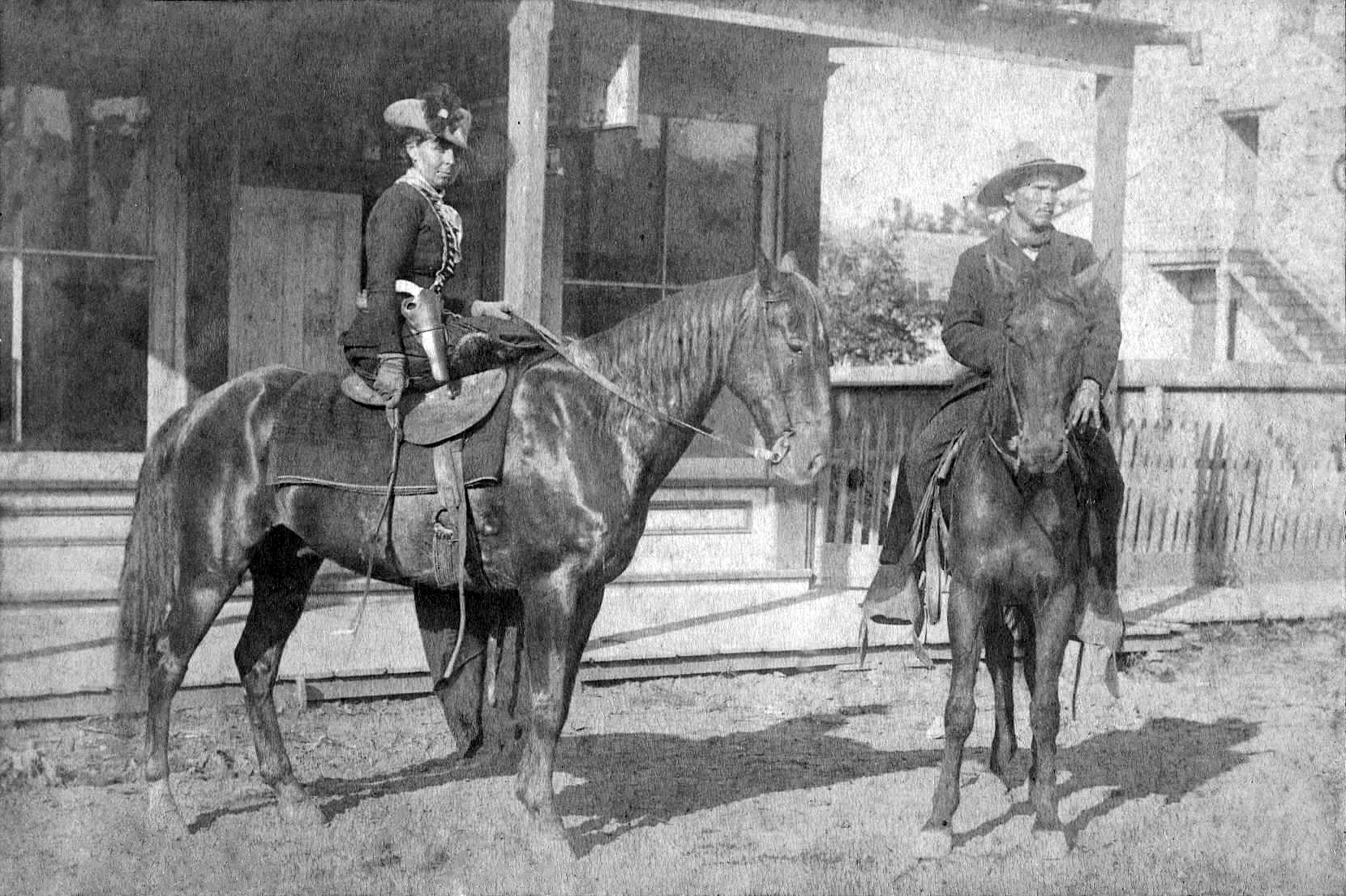
'I won't be troubled long. He'll go like all the rest of the Cottons.' That was Mary Ann Cotton's assessment of her seven-year-old stepson Charles Edward, delivered to a parish official in West Auckland, County Durham, in the spring of 1872. Five days later, the boy was dead. It was the statement that finally brought her down. By the time investigators began pulling at the thread, they found two decades of bodies behind it: eleven of her thirteen children, three of her four husbands, her own mother, and a string of lodgers and stepchildren, each one dead of 'gastric fever,' each one insured, each one mourned briefly and then forgotten. The death toll, historians estimate, may have reached twenty-one. Mary Ann Cotton was a nurse, a mother, a wife. She was trusted by the sick she nursed and by the physicians who signed off on her victims' deaths. She understood, precisely, that Victorian medicine would not look twice at a working-class child dying of gastroenteritis. She killed for insurance money: modest sums, accumulated over years, in exchange for the lives of nearly everyone who had ever depended on her. She was only ever convicted of one murder. She was hanged in Durham County Gaol on March 24, 1873, in a botched execution that left her strangling at the end of a too-short rope. She was forty years old. The full story of what she did is both a portrait of individual evil and an indictment of a system that made it catastrophically easy.

serial killerVictorian era
Griselda Blanco Restrepo
closedConvictedHistorical

Griselda Blanco Restrepo

Convicted: Griselda Blanco Restrepo

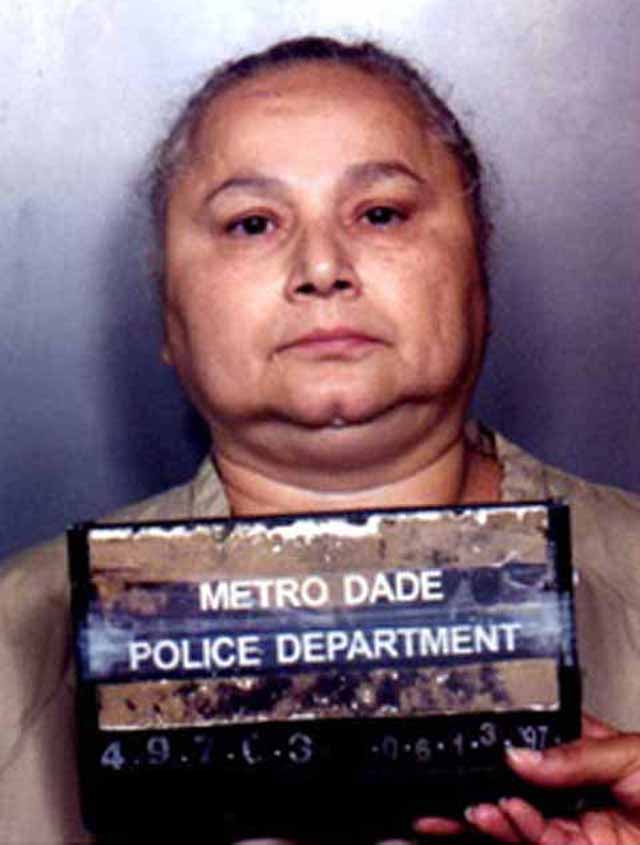
On the afternoon of September 3, 2012, a gunman dismounted from a motorcycle outside a butcher shop in Medellín, Colombia, and shot a 69-year-old woman twice in the head. He was gone before anyone could stop him. The woman was Griselda Blanco Restrepo, and the method of her killing was one she had invented herself. In the 1970s and 1980s, Blanco built a cocaine empire that shipped 1,500 kilograms of product into Miami every month, generated an estimated $80 million monthly, and left dozens if not hundreds of people dead on both sides of the Atlantic. She mentored Pablo Escobar. She pioneered motorcycle assassinations. She named her youngest son Michael Corleone, after the Godfather character, because she saw the parallel and felt no shame in it. She was convicted of federal drug trafficking in 1985. She beat a capital murder case when her star witness was caught having phone sex with prosecutors' secretaries. She served nearly two decades in prison, suffered a heart attack, was deported to Colombia, and allegedly became a born-again Christian. None of it was enough to save her. The killers who found her outside the Carnicería Cardiso that September afternoon were never identified. She was buried at Jardines de Montesacro cemetery in Medellín, in the same ground as Pablo Escobar. The Godmother of Cocaine, who had ordered the deaths of husbands, rivals, and at least one two-year-old child, ended her life on the same streets where she had built her legend: in Medellín, violently, by surprise. This is her story.

drug traffickingcocaine
Jean Lee (born Marjorie Jean Maude Wright)
closedConvictedHistorical

Jean Lee (born Marjorie Jean Maude Wright)

Convicted: Jean Lee (born Marjorie Jean Maude Wright)

On the morning of 19 February 1951, Jean Lee was too sedated to walk to her own execution. When the door opened and she saw the masked hangman waiting in his large felt hat and black goggles, she collapsed. Prison officers carried her to the trapdoor, placed her on a chair, and fitted the rope. At 8:00 a.m., seven stone and six pounds of unconscious woman dropped eight feet. She was thirty-one years old. Lee became the last woman ever executed in Australia, a distinction she holds to this day. But the story of how a girl from Dubbo, New South Wales, once a milliner and a waitress, arrived at that gallows is darker and more complicated than any simple narrative of guilt allows. Together with her lover, professional criminal Robert Clayton, and their associate Norman Andrews, Lee had participated in the torture and murder of 'Pop' Kent, a 73-year-old Carlton bookmaker, in November 1949. The three had tied the old man to a chair and spent an hour beating, stabbing, and ultimately strangling him in a bid to find his hidden cash. The neighbours heard him screaming. What followed was a legal saga that raised serious questions about coerced confessions, political interference, and whether a woman who hadn't delivered the final blow deserved to die for it. The Victorian government, unmoved by mass public protest, said yes. The High Court of Australia agreed. This is the story of Jean Lee: her life, her crimes, and the morning they carried her, unconscious, to meet the rope.

female murdererAustralia
Nancy Agnes Hazel Doss
closedConvictedHistorical

Nancy Agnes Hazel Doss

Convicted: Nancy Agnes Hazel Doss

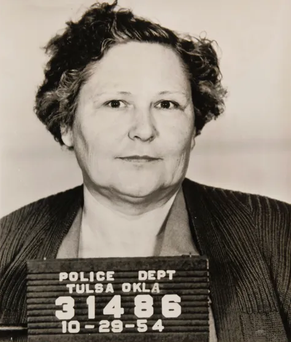
She sat across from Tulsa police Captain Harry Stege in November 1954 and giggled. She giggled when she described stirring rat poison into her husband's coffee. She giggled when she confirmed she had poisoned four of her five husbands. She giggled when the officers pressed her about the grandchildren, the sisters, the mother. The laughter never quite left her face. Nannie Doss was 49 years old, soft-featured, grandmotherly, and by the time she was arraigned on November 29, 1954, the prime suspect in at least eleven deaths spanning four states and nearly three decades. Her weapons were domestic and unremarkable: stewed prunes, corn whiskey, a slice of prune cake, a cup of morning coffee laced with arsenic. Her victims were the people closest to her, the ones who ate at her table and slept in her bed. Investigators called her 'The Giggling Granny.' The press added 'The Black Widow,' 'Lady Bluebeard,' and 'The Lonely Hearts Killer.' Each nickname captured a piece of her; none captured all of her. Because behind the laughter sat something more complicated and more chilling: a woman who had dreamed her whole life of storybook romance, and who killed, methodically and repeatedly, every time reality fell short of the fantasy. This is the story of Nancy Agnes Hazel Doss, born in rural Alabama in 1905 and buried in a prison cemetery in Oklahoma in 1965. In between, she made sure a great many people never made it out alive.

female serial killerblack widow killer
Laren Renee Sims (alias: Elisa McNabney, also known as Elisa Redelsperger, Elisa Barasch, Shane Ivaroni, and 34+ other aliases — total 38 documented aliases)
closedAccusedHistorical

Laren Renee Sims (alias: Elisa McNabney, also known as Elisa Redelsperger, Elisa Barasch, Shane Ivaroni, and 34+ other aliases — total 38 documented aliases)

Accused: Laren Renee Sims (alias: Elisa McNabney, also known as Elisa Redelsperger, Elisa Barasch, Shane Ivaroni, and 34+ other aliases — total 38 documented aliases)

On Easter Sunday 2002, a jail officer in Brooksville, Florida found a woman dead in her cell. She had braided strips from her pillowcase into a rope and fastened it to an air duct in the ceiling. She was thirty-six years old, and she had been, at various points in her life, at least thirty-eight different people. Her FBI criminal rap sheet ran to one hundred and thirteen pages. Her real name was Laren Renee Sims. Most people knew her as Elisa McNabney, the glamorous, horse-loving wife of Sacramento trial attorney Larry McNabney. In the fall of 2001, she and her twenty-one-year-old legal secretary administered horse tranquilizer to Larry at a show in Los Angeles County, stored his body in a garage refrigerator for three months, buried him in a vineyard, liquidated over $500,000 in assets, and fled across the country in a red Jaguar. She was a former straight-A student with a reported IQ of 140. She was a mother who kept her teenage daughter by her side through the whole gruesome flight. She was a con artist, a forger, and a fugitive. When detectives finally traced her to a Florida beach, she looked up and said simply: "I'm the one you're looking for." This is the story of Laren Renee Sims: a woman who spent thirty years constructing false identities, fell into a marriage that may have saved her and ultimately destroyed her, and chose suicide over a courtroom. It is one of the most bizarre, cold-blooded, and strangely human cases in California criminal history.

poisoninghorse tranquilizer
Aileen Carol Wuornos (née Pittman)
closedConvictedHistorical

Aileen Wuornos

Convicted: Aileen Carol Wuornos (née Pittman)

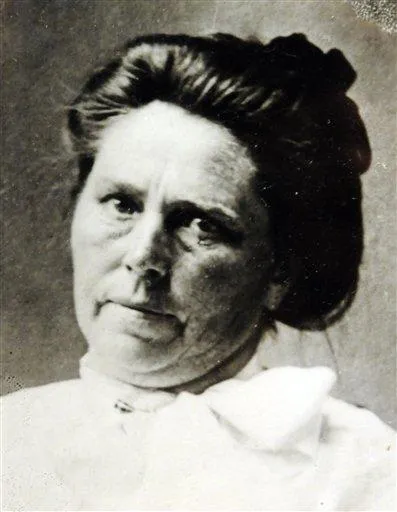
Her last words from the execution chamber stopped the witnesses cold. "I'd just like to say I'm sailing with the rock, and I'll be back like Independence Day, with Jesus, June 6, like the movie, big mothership and all. I'll be back." Moments later, at 9:47 a.m. on October 9, 2002, Aileen Carol Wuornos was pronounced dead. She had declined her final meal. She accepted only a cup of coffee. Between November 1989 and November 1990, Wuornos shot and killed seven men along the highways of Florida, each of them a middle-aged motorist who had stopped for a woman working the roads. She took their money, their cars, and their lives. She was a highway prostitute operating under multiple aliases, a drifter with a .22 and a history that read less like a criminal file and more like an indictment of everyone who had ever failed her. She was raised by alcoholic grandparents after her mother abandoned her at age four. Her father, whom she never met, was serving a life sentence for raping a seven-year-old child when he hanged himself in his prison cell. She was pregnant and living on the streets by fourteen. She told police, and later the courts, that every man she killed had attacked her first. The jury in her first trial deliberated for less than two hours before convicting her. She received six death sentences in total. The tabloids called her America's first female serial killer. The more precise truth: she was the first woman formally profiled by the FBI as a serial killer. The distinction hardly seemed to matter by the end. What mattered was that seven men were dead, and Aileen Wuornos had spent a lifetime arriving at that outcome.
serial killerfemale serial killer
Clara Hamilton Harris (later Clara Hamilton Harris Rathbone)
closedConvictedHistorical

Clara Hamilton Harris (later Clara Hamilton Harris Rathbone)

Convicted: Clara Hamilton Harris (later Clara Hamilton Harris Rathbone)

She survived the night Abraham Lincoln was shot. She held her fiancé's arm together with her bare hands while his blood soaked her white dress from collar to hem. She stayed until dawn with a screaming, inconsolable Mary Todd Lincoln, absorbing the widow's grief alongside her own. Clara Harris endured all of that — and still, eighteen years later, she never saw her death coming. On the night of December 23, 1883, in a consular residence in Hanover, Germany, her husband Henry Rathbone shot and stabbed her to death in their bedroom while their three children slept nearby. He then turned the knife on himself five or six times. He survived. She did not. A German court found Henry guilty but criminally insane. He was committed to an asylum, where he lived another twenty-seven years, apparently never fully comprehending what he had done. The children were shipped back across the Atlantic. Clara was buried in a foreign city cemetery and eventually disinterred when no family came to tend her grave. This is the story of a woman who sat two feet from history's most famous assassination, and lived to describe it — only to become the victim of a quieter, more intimate one. It is also the story of what trauma does to the people left alive in its wake: how it metastasizes, quietly, over years, until it destroys everything it touches.

Lincoln assassinationFord's Theatre